NEWS
Is Your Home Gym Missing the AI Edge for Better Workouts?

You invested in a home gym expecting consistent progress, yet here you are—stuck on the same weights, running through the same routines, and wondering why motivation has flatlined. Traditional home gyms deliver the basics, but they rarely push back. There’s no coach adjusting your plan, no system catching your declining form at rep twelve, and no data telling you why last month’s gains have stalled. This is where artificial intelligence enters the picture, fundamentally reshaping what a functional trainer home gym can accomplish. Fitness technology has evolved beyond simple cable stacks and plate-loaded machines into intelligent ecosystems that learn, adapt, and respond to your body in real time. So the question becomes unavoidable: is your current setup holding you back because it lacks the AI edge? In this article, we’ll explore how AI home gyms deliver the innovative workout solutions and precise progress tracking that fitness enthusiasts demand. The integration might be simpler than you think—and the performance benefits are difficult to ignore once you understand what’s possible.
The Limitations of Traditional Home Gyms and the Rise of AI
A standard functional trainer home gym gives you cables, pulleys, and a fixed range of resistance—nothing more. You select a weight, perform your sets, and hope you’re progressing. But hope isn’t a strategy. Without built-in feedback mechanisms, traditional equipment cannot tell you whether your tempo is slipping, your left side is compensating for your right, or your progressive overload has actually stalled for three weeks running. Fitness enthusiasts who crave measurable improvement hit a ceiling quickly when their equipment offers zero intelligence about performance trends.
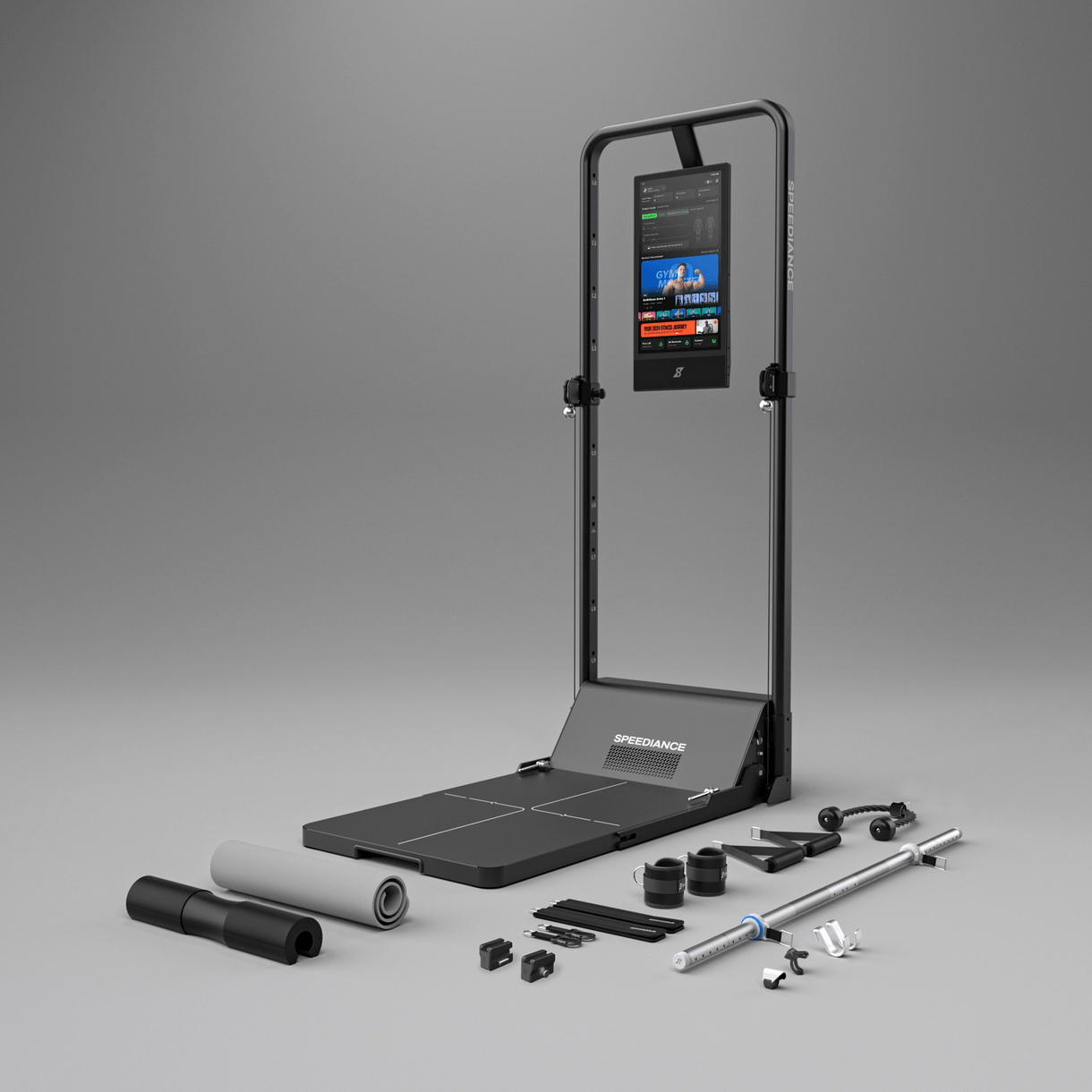
This gap between effort and insight is precisely what drove the rise of AI home gyms. Fitness technology now embeds sensors, machine learning algorithms, and cloud-based analytics directly into the equipment you already use. Rather than replacing your functional trainer setup, AI layers onto it—turning a passive cable machine into an active training partner that collects data on every repetition and adjusts programming accordingly. The shift isn’t about flashier hardware; it’s about smarter workout solutions that respond to your body’s actual output rather than arbitrary schedules written months ago. For anyone serious about progress tracking and long-term development, this evolution represents the most significant leap home fitness has seen in decades.
What is an AI Home Gym? Unpacking the Technology
An AI home gym combines traditional resistance equipment with embedded intelligence—sensors that measure force output, accelerometers tracking bar path and velocity, and machine learning software that interprets this data to guide your training decisions. Unlike a standard cable stack that simply provides resistance, an AI-integrated system understands context: how fast you moved the weight, whether your power output declined across sets, and how today’s session compares to your last thirty. The core architecture typically includes hardware sensors attached to or built into the equipment, a processing unit (often cloud-connected), and a user interface delivering insights through a screen or companion app. When paired with a functional trainer setup, these components transform familiar exercises like cable rows, chest presses, and woodchops into data-rich movements where every repetition generates actionable information.
How Smart Digital Weights Enhance Precision
Smart digital weights replace traditional weight stacks with electromagnetic or motor-driven resistance systems that adjust in increments as small as one pound. During a set, the system can automatically increase resistance when your velocity suggests the load is too light, or reduce it mid-rep if your form begins breaking down. Brands like Speediance have developed systems where sensors capture time under tension, peak force, and asymmetry between limbs—data points that manual training simply cannot replicate. For fitness enthusiasts chasing progressive overload with surgical precision, this eliminates guesswork entirely. The system logs every adjustment, building a comprehensive strength profile that evolves with you rather than requiring manual spreadsheet tracking.
The Role of Digital Weight Machines in Modern Workouts
Digital weight machines extend beyond resistance adjustment into fully programmable training environments. They store workout templates, execute prescribed rest periods, and connect to broader fitness ecosystems including heart rate monitors and recovery apps. Progress tracking becomes automatic—the machine records sets, reps, tempo, and total volume without requiring you to pause and log anything. Many systems offer connectivity features that sync data across devices, enabling you to review weekly trends or share performance summaries with a remote coach. This seamless integration means your functional trainer becomes a hub of fitness technology rather than an isolated piece of iron, keeping workouts structured and measurable session after session.
Key Benefits of AI for Fitness Enthusiasts: Solving Core Needs
The real value of an AI home gym reveals itself when you map its capabilities directly against the frustrations that drive fitness enthusiasts to seek better solutions. Personalized workout plans sit at the top of that list. Rather than following a generic twelve-week program downloaded from a fitness forum, AI systems analyze your strength curves, recovery patterns, and rate of progression to build plans that shift daily based on readiness. If your grip strength data shows fatigue from yesterday’s heavy pulls, today’s session automatically adjusts volume on exercises that tax your forearms. This level of responsiveness was previously available only through expensive personal coaching—now it’s embedded in the equipment itself.
Real-time feedback during sets changes how you train at a fundamental level. When the system detects your concentric speed dropping below a threshold that indicates productive fatigue versus breakdown, it signals you to stop—preventing junk volume that accumulates fatigue without stimulating growth. Form analysis through motion sensors catches compensatory patterns before they become injury risks, offering corrective cues mid-workout rather than after damage is done. Detailed analytics round out the experience by converting raw session data into trend visualizations showing weekly volume loads, strength progression curves, and muscle group balance ratios that make informed programming decisions effortless.
Access to Innovative Workout Solutions
AI-driven fitness technology eliminates the staleness that plagues home training by introducing adaptive exercise programming that evolves with your capabilities. Virtual coaching features guide you through movement variations you might never have considered—converting your functional trainer home gym from a machine with a handful of familiar exercises into a platform offering hundreds of cable-based movements sequenced intelligently. The system might introduce tempo manipulations, eccentric overloads, or cluster set protocols precisely when your progression data suggests a standard approach has stopped working. This constant novelty, grounded in performance science rather than randomness, prevents the mental burnout that sends so many home gym owners back to commercial facilities searching for inspiration they could generate themselves.
Comprehensive Tracking of Workout Progress
Progress tracking through an AI system captures metrics that manual logging misses entirely. Beyond basic reps and weight, these platforms record peak velocity, average power output per repetition, time under tension, rest period consistency, and bilateral force differences between your left and right sides. Data visualization transforms these numbers into intuitive dashboards where you can spot a plateau forming weeks before it becomes obvious through feel alone. Monthly strength reports highlight which muscle groups responded to recent programming and which need strategic attention. For fitness enthusiasts who thrive on measurable outcomes, this depth of tracking converts every session into quantifiable evidence of progress—or a clear signal that variables need changing before momentum is lost.
Step-by-Step Guide to Integrating AI into Your Functional Trainer Home Gym
Start by auditing your current equipment. Identify what you already own—cable systems, pulleys, attachments—and determine which components can accept sensor add-ons versus which need full replacement. Most functional trainer home gyms built within the last five years have standardized cable configurations compatible with aftermarket smart sensors that clip onto weight stacks or cable attachment points. Once you understand your baseline, research AI devices specifically designed to retrofit existing equipment. Look for sensor modules that measure force, velocity, and range of motion without requiring you to overhaul your entire setup. Many fitness technology brands now offer standalone units that magnetically attach to cable pins or wrap around handles, feeding data to companion apps via Bluetooth.
After selecting your AI add-on, installation typically involves mounting the sensor unit, downloading the associated app, and running an initial calibration session. During calibration, you’ll perform baseline sets across your primary exercises so the system establishes your strength profile—this teaches the algorithm your current capacity and movement patterns. Set aside thirty minutes for this process and perform each exercise with controlled form, as the data collected here anchors all future recommendations. Once calibrated, configure your training goals within the app: hypertrophy, strength, endurance, or a hybrid approach. The system uses these preferences alongside your baseline data to generate your first adaptive program. From here, commit to training through the platform for at least two weeks before adjusting settings—this gives the algorithm enough session data to refine its recommendations and deliver the innovative workout solutions and precise progress tracking that justify the investment.
Overcoming Challenges and Future Trends in Fitness Technology
Cost remains the most cited barrier to adopting AI fitness technology, and it’s a legitimate concern. However, the market has matured enough that integrated smart gym systems from companies like Speediance now exist alongside retrofit sensor modules, giving consumers options at various price points. Starting with a single velocity tracker or force sensor lets you experience adaptive programming without committing thousands upfront—you can expand the ecosystem incrementally as results justify further investment. The learning curve presents another hurdle, though most platforms have addressed this through guided onboarding sequences and intuitive app interfaces that require no technical background. If you can navigate a smartphone, you can operate these systems within a single session.
Looking ahead, fitness technology is converging with wearable biometrics in ways that will make current AI home gyms seem primitive. Expect future systems to integrate continuous glucose monitoring, sleep architecture data, and nervous system readiness scores directly into workout programming—adjusting not just load and volume but exercise selection based on your metabolic state that morning. Computer vision will likely eliminate the need for physical sensors entirely, using cameras to assess joint angles, movement velocity, and form deviations without any hardware attached to your functional trainer. For fitness enthusiasts committed to long-term development, staying informed about these advancements ensures your home gym evolves alongside the technology rather than becoming obsolete within a few years.
Transform Your Home Gym with AI-Driven Training
The gap between a traditional home gym and one enhanced by artificial intelligence isn’t about having fancier equipment—it’s about having equipment that works as hard as you do. AI transforms your functional trainer home gym from a static collection of cables and pulleys into a responsive training environment that delivers personalized programming, catches form breakdowns before they cause injury, and tracks progress with a precision that manual logging cannot match. Every frustration that drives fitness enthusiasts toward stagnation—plateaus without explanation, programs that don’t adapt, motivation that fades without measurable feedback—finds a direct solution in today’s fitness technology. The integration path is accessible whether you retrofit sensors onto existing equipment or invest in a complete AI home gym system. What matters is taking that first step: auditing your current setup, identifying where intelligent feedback would change your training, and committing to a data-driven approach that compounds results over months and years. The future of personalized fitness isn’t arriving someday—it’s already here, waiting for you to plug in and train smarter than your equipment has ever allowed.