
Business
Is Reverse Osmosis or Distilled Water Best for Singles?

Living solo means every decision in your home revolves around one person—you. When it comes to drinking water, the choice between reverse osmosis and distilled water might seem trivial, but for a single-person household, it carries real weight. You’re balancing quality with convenience, health with practicality, and maybe even aesthetics with function. After all, that countertop space is precious, and so is your time.
Both reverse osmosis and distilled water promise exceptional purity, but they arrive there through very different paths—and those differences matter when you’re the only one benefiting from the investment. Whether you’re motivated by removing contaminants, optimizing your wellness routine, or simply wanting water that tastes genuinely clean, understanding which option aligns with your lifestyle is essential. This article breaks down the science, cost, and everyday reality of both choices, ultimately delivering a clear, actionable verdict designed specifically for individuals navigating the hydration landscape on their own terms.
The Basics: Understanding Reverse Osmosis and Distillation
Reverse osmosis works by forcing water through a semipermeable membrane under pressure. This membrane acts as an incredibly fine sieve, blocking contaminants like lead, chlorine, fluoride, pesticides, and most dissolved solids while allowing water molecules to pass through. The result is water that retains a subtle, clean taste—many describe it as “fresh” because trace minerals occasionally slip through depending on the membrane’s specifications. RO systems typically remove 90–99% of contaminants, making them a reliable workhorse for daily purification.

Distillation takes a fundamentally different approach. Water is heated to boiling, converted to steam, and then condensed back into liquid form in a separate chamber. Because contaminants have different boiling points than water, they’re left behind during vaporization. This process achieves near-total demineralization, producing water with virtually zero dissolved solids. The trade-off is taste—distilled water often strikes people as flat or “empty” since the minerals that give water its subtle character have been entirely stripped away.
Both methods appeal to health-conscious individuals because they eliminate harmful substances conventional tap filtration might miss. For singles prioritizing control over what enters their body, either option represents a significant upgrade from unfiltered municipal water—though the experience of living with each differs considerably.
Reverse Osmosis vs. Distilled Water: A Detailed Comparison
Purity and Mineral Content
Distilled water edges out RO in raw purity. With virtually zero total dissolved solids, distillation leaves nothing behind—no contaminants, but also no calcium, magnesium, or potassium. RO water, while extraordinarily clean, may retain trace amounts of beneficial minerals depending on the membrane and water source. This distinction matters more than most people realize.
The debate around demineralized water is genuine. Some research suggests that consistently drinking water stripped of all minerals could contribute to minor electrolyte imbalances over time, particularly if your diet doesn’t compensate. For a single person who might rely on convenience meals or inconsistent eating patterns, this consideration carries extra weight. The World Health Organization has noted that water contributing even small amounts of daily mineral intake offers a marginal health advantage. That said, neither option poses a serious risk if you maintain a balanced diet—the minerals in water represent a fraction of what food provides. For singles focused on long-term wellness without overthinking supplementation, RO’s slight mineral retention offers a practical, if modest, safety net.
Taste, Cost, and Convenience for One
Taste is subjective, but patterns emerge. Most people prefer RO water’s clean, slightly crisp character over distilled water’s noticeably flat profile. If you’re someone who drinks water throughout the day—at your desk, during workouts, alongside meals—that taste difference compounds. Flat water discourages hydration for many; clean-tasting water invites it.

Cost-effectiveness tilts toward RO for a single-person household. A countertop or under-sink RO system produces water on demand with minimal ongoing expense beyond periodic filter replacements. Distillation requires significant energy—boiling water for hours consumes electricity, and countertop distillers typically produce only one gallon every four to six hours. For one person needing roughly half a gallon daily, that’s manageable but inefficient compared to the near-instant availability of RO water. RO systems do produce waste water, typically at a 3:1 or 4:1 ratio, though modern compact units have improved dramatically. For a single user consuming modest volumes, this waste remains relatively low in absolute terms. Maintenance is straightforward for both, but RO filter swaps happen less frequently than descaling a distiller—another small win for busy individuals managing everything alone.
Finding Your Perfect Fit: Solutions for Singles
Here’s where the conversation shifts from comparison to action. As a single person investing in your health, you don’t need to settle for one extreme or accept limitations—you can engineer a water experience that delivers purity, taste, and genuine wellness benefits simultaneously. The earlier comparison reveals RO as the stronger foundation for most individuals, but raw RO water still leaves room for optimization.
Modern hydration isn’t just about removing the bad stuff; it’s about building something intentionally good. A tailored approach combines the efficiency of reverse osmosis with strategic enhancements that address mineral content, pathogen protection, and even the daily pleasure of drinking water. Think of it as curating your hydration the same way you’d curate your living space—functional, health-forward, and aesthetically satisfying. The solutions below transform basic water purification into a complete wellness practice designed around your solo lifestyle.
Step-by-Step Solution: Enhancing Your Water
Start by selecting reverse osmosis as your base. The comparison makes this clear—RO delivers superior taste, on-demand convenience, and lower operating costs for a single user. It handles the heavy lifting of contaminant removal without the energy drain or wait times distillation demands. This becomes your foundation.
Next, address the mineral gap. Remineralization filters or mineral drops reintroduce calcium, magnesium, and trace elements back into your purified water. These inexpensive additions restore the subtle flavor complexity that makes water genuinely enjoyable to drink while providing that marginal nutritional benefit the WHO references. For someone managing their health independently, this small step eliminates any lingering concern about long-term demineralized water consumption.
Finally, elevate the experience with a glass infuser. Adding fresh cucumber, citrus, berries, or herbs like mint transforms your remineralized RO water into something you actively look forward to drinking—no sugar, no artificial flavors, just clean water enhanced naturally. Beyond function, a quality glass infuser sitting on your desk or counter serves as a visual reminder to stay hydrated while complementing your personal aesthetic. It’s stylish hydration with substance behind it.
Integrating Technology: The Smart Filtration Choice
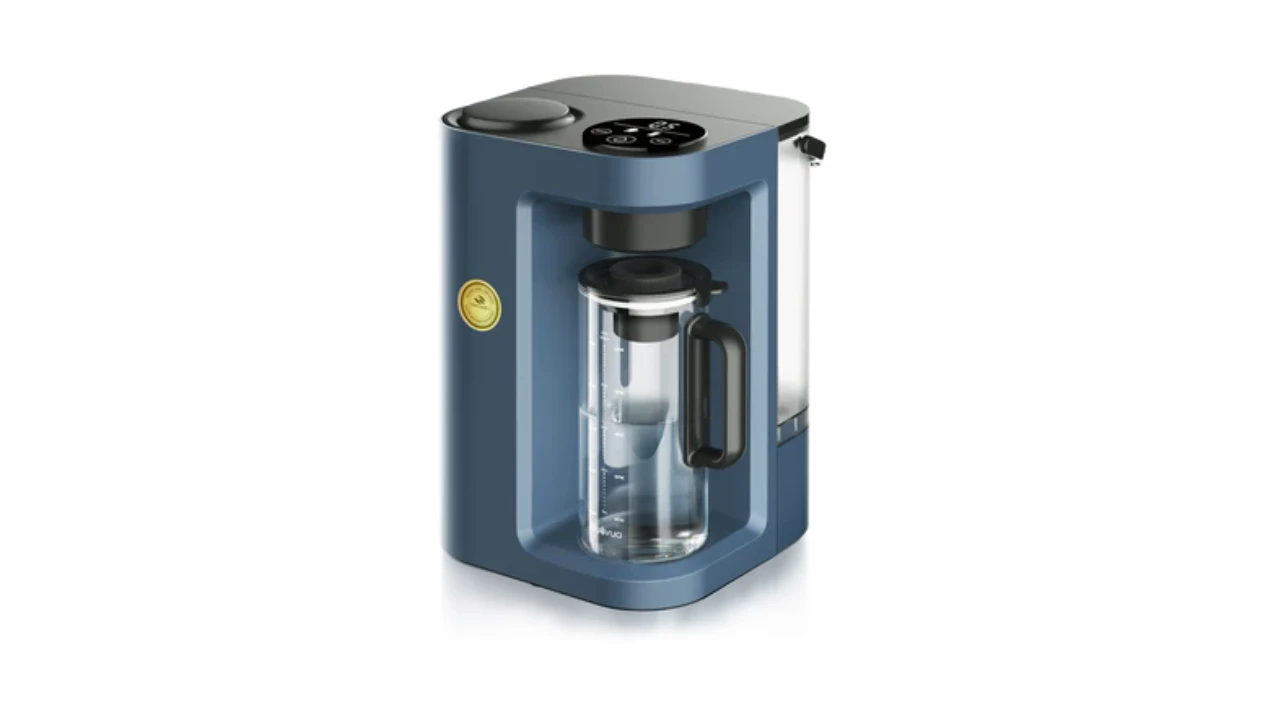
Countertop RO systems have evolved dramatically for small households. The Bluevua ROPOT-Lite exemplifies this shift—compact enough for limited kitchen space, requiring no permanent installation, yet delivering the same multi-stage filtration that under-sink systems provide. For a single person, this means no plumber visits, no landlord negotiations, and no wasted cabinet space. You plug it in, fill the tank, and access purified water within minutes.
Adding a UV water filtration stage takes your setup from excellent to bulletproof. While RO membranes handle dissolved contaminants masterfully, UV light targets biological threats—bacteria, viruses, and microorganisms that occasionally survive physical filtration. For someone living alone who prioritizes health benefits and wants zero uncertainty about water safety, UV sterilization provides that final layer of confidence. This combination—mechanical filtration plus germicidal treatment—mirrors what municipal treatment plants use, scaled down to serve exactly one person efficiently. Together, these technologies create a complete purification system that fits your counter and your life.
The Ultimate Single’s Hydration: The Wellness Bundle Approach
Everything discussed so far points toward a single, elegant conclusion: the best hydration setup for a solo household isn’t one product—it’s a curated system where each component solves a specific problem. Think of it as assembling your ideal toolkit rather than settling for a Swiss Army knife that does everything adequately but nothing brilliantly.
The Wellness Bundle approach combines a compact RO system like the Bluevua ROPOT-Lite as your purification engine, a UV water filtration stage as your biological safety guarantee, and a glass infuser as your daily motivation to drink more and enjoy every sip. The ROPOT-Lite handles contaminant removal in a footprint that respects your limited counter real estate—no installation headaches, no wasted space. The UV component eliminates the invisible threats that even exceptional mechanical filtration can miss, giving you hospital-grade confidence in every glass. And the glass infuser transforms functional hydration into a ritual you genuinely anticipate, whether that’s morning lemon water or afternoon mint-cucumber refreshment.
This bundled approach addresses every concern surfaced in the RO-versus-distilled debate: purity without flatness, safety without complexity, and wellness without compromise. For a single person who values both health outcomes and the aesthetic quality of their daily habits, it represents the most complete, space-efficient, and personally rewarding path to exceptional water—designed around exactly one life, lived well.
Why Reverse Osmosis Wins for Solo Living
The distinction between reverse osmosis vs distilled water ultimately comes down to livability. Distilled water wins on absolute purity but loses on taste, energy consumption, and the slow production pace that feels unnecessarily demanding for a household of one. Reverse osmosis delivers nearly identical contaminant removal with better flavor, on-demand access, and lower long-term costs—making it the stronger everyday choice for singles who want clean water without building their routine around it.
But the smartest move isn’t choosing one product in isolation. The holistic Wellness Bundle approach—pairing a compact system like the ROPOT-Lite with UV water filtration for biological certainty and a glass infuser for daily enjoyment—transforms water from a basic necessity into a genuine wellness practice. You get laboratory-level safety, restored mineral balance, and a hydration habit that feels intentional rather than obligatory.
Your solo lifestyle deserves systems that work as efficiently as you do. Assess your space, your health priorities, and what actually motivates you to drink more water—then build the setup that serves exactly one person brilliantly.
University of Houston graduate with 5 years of blogging experience, excelling in content strategy, SEO, and audience engagement. Connect with me on LinkedIn.