
HEALTH
Integrative Wellness: A Comprehensive Approach to Personal Health


Key Takeaways
- Integrative wellness combines conventional medicine with alternative therapies to treat the whole person.
- Personalized healthcare and preventive care are central to modern integrative approaches.
- Mind-body practices and interprofessional healthcare teams enhance patient outcomes.
Introduction to Integrative Wellness
Integrative wellness marks a significant shift in the healthcare landscape, combining tried-and-true medical practices with alternative therapies. This approach is rooted in the understanding that optimal health involves much more than the absence of disease. It is built on the idea that true wellness comes from caring for the body, mind, and spirit in unison. Many individuals now turn to experts such as alternative therapy practitioners at IV Elements to access a wide range of holistic treatments that go beyond conventional methods.
Instead of addressing symptoms alone, integrative wellness practitioners focus on uncovering the root causes behind health concerns. By treating the whole person and not just the ailment, this approach supports long-term vitality and resilience. It embraces a spectrum of healing practices, ranging from nutrition and exercise to mindfulness and complementary therapies alongside modern medical care.
Over the years, integrative wellness has gained momentum as people seek proactive ways to achieve balance and well-being in their fast-paced lives. This trend reflects a growing awareness that health is deeply individual and is best achieved when medical care is combined with supportive practices and education.
Personalized Healthcare: Tailoring Treatments to Individuals
In conventional medicine, treatments often follow universal protocols. However, integrative wellness prioritizes an individualized approach. Practitioners consider an individual’s genetics, lifestyle choices, environment, and personal history to create tailored healthcare plans that align with their unique needs. This model recognizes that a treatment or prevention strategy that works for one patient may not be effective for another.
Personalized medicine is enabled by advances in health data, wearable technology, and genetic testing, which enable more accurate assessments and targeted therapies. The shift toward highly personalized care supports earlier interventions and more effective long-term management of health conditions, as noted in resources from the Centers for Disease Control and Prevention.
Furthermore, personalized healthcare fosters meaningful patient-practitioner relationships. Patients are encouraged to take an active role in shaping their care plans, leading to greater empowerment, improved communication, and higher satisfaction with the healthcare experience.
Preventive Care and Lifestyle Medicine
Chronic conditions such as heart disease, diabetes, and certain cancers continue to be the leading causes of illness worldwide. Integrative wellness champions prevention as the cornerstone of lifelong health. By emphasizing early detection, routine screenings, and lifestyle changes, practitioners aim to mitigate health risks before they escalate into serious problems.
Lifestyle medicine is closely tied to this preventive mindset. It utilizes evidence-based strategies in nutrition, physical activity, sleep, stress management, and risk-avoidance to safeguard health. Research consistently demonstrates that healthy habits can dramatically lower the risk of many chronic diseases, boost energy levels, and improve physical and mental well-being.
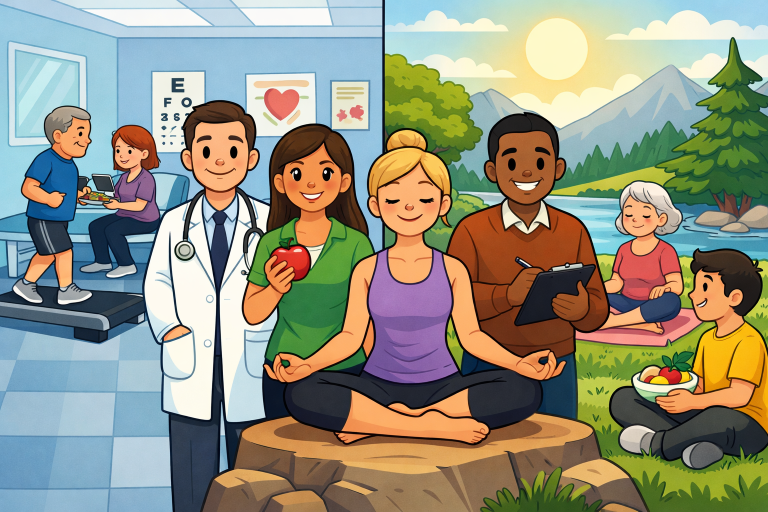
Practitioners of lifestyle medicine frequently collaborate with dietitians, fitness coaches, and behavioral health specialists. This multidisciplinary approach greatly enhances the potential for lasting behavior change and successful prevention of disease development.
Mind-Body Practices: Enhancing Mental and Physical Health
Mind-body practices are fundamental to integrative wellness, acknowledging the deep interconnection between mental and physical health. Techniques like yoga, meditation, deep breathing, and tai chi foster a sense of calm, increase mental clarity, and boost resilience to stress. These practices have been shown to reduce symptoms of anxiety, improve mood, and even influence physical health metrics, such as blood pressure and immune function.
Integrative wellness practitioners often teach clients to incorporate these exercises into daily routines. Regular practice can help manage ongoing health challenges, promote recovery, and contribute to overall quality of life. The adoption of mind-body therapies aligns with growing scientific consensus about their benefits, as highlighted by studies referenced by the National Center for Complementary and Integrative Health.
These holistic practices not only support recovery from illness but also improve everyday coping skills and foster lifelong emotional resilience. Mind-body approaches can benefit individuals of all ages and can be easily adapted to suit different abilities and preferences.
Interprofessional Healthcare Teams: Collaborative Care for Better Outcomes
Integrative care models thrive on collaboration. They bring together professionals from different backgrounds, including physicians, naturopaths, nutritionists, counselors, and alternative therapy specialists. Together, these teams design care plans that address physical, mental, spiritual, and social dimensions of health.
By drawing on multiple perspectives and areas of expertise, interprofessional teams are better equipped to meet complex patient needs. This holistic, team-based approach has been linked to greater patient satisfaction, improved treatment adherence, and better overall health outcomes.
The integration of these diverse professionals fosters a supportive environment where patients can access comprehensive services, resources, and education tailored to their unique health journeys.
Technological Innovations in Integrative Wellness
Technology is reshaping the practice of integrative wellness. Wearable health devices track activity, sleep, and vital signs in real time, helping individuals and their healthcare teams spot trends and potential issues earlier. Telemedicine and secure health apps are making it easier for patients to access personalized guidance and maintain ongoing relationships with their providers from anywhere.
These technological innovations further empower patients to take an active role in monitoring and improving their health, thereby supporting the core principles of integrative wellness, such as personalization and prevention.
Future developments may include artificial intelligence-powered diagnostics, digital therapeutic tools, and virtual support groups. Such advancements offer even greater convenience, accountability, and continuity of care for individuals on their path to wellness.
Challenges and Considerations in Integrative Wellness
Despite the many benefits, integrating alternative and conventional therapies can present challenges. Ensuring the safety, efficacy, and regulation of alternative treatments remain top concerns. It is essential for patients to seek qualified practitioners and rely on evidence-based information as they navigate wellness options.
Continuous research, rigorous standards, and transparency are vital as more people pursue integrative approaches. Ongoing education for both healthcare professionals and the public will help support a seamless blending of these diverse therapeutic strategies in the future.
Insurance coverage and cost can also be limiting factors for some individuals seeking integrative care. As the field continues to grow, advocacy efforts and policy changes may improve access and affordability for more people.
Conclusion
Integrative wellness offers a path toward comprehensive healthcare that looks beyond symptom management and disease cure. By combining the strengths of conventional and alternative medicine and tailoring care to individual needs, this approach fosters improved quality of life and holistic well-being for all.
As awareness of integrative wellness continues to expand, more healthcare systems and practitioners are embracing its principles. This evolving approach has the potential to revolutionize patient care, empower individuals, and support healthier communities worldwide.