
Business
Injured at H‑E‑B? What Texas Shoppers Need to Know Right Now

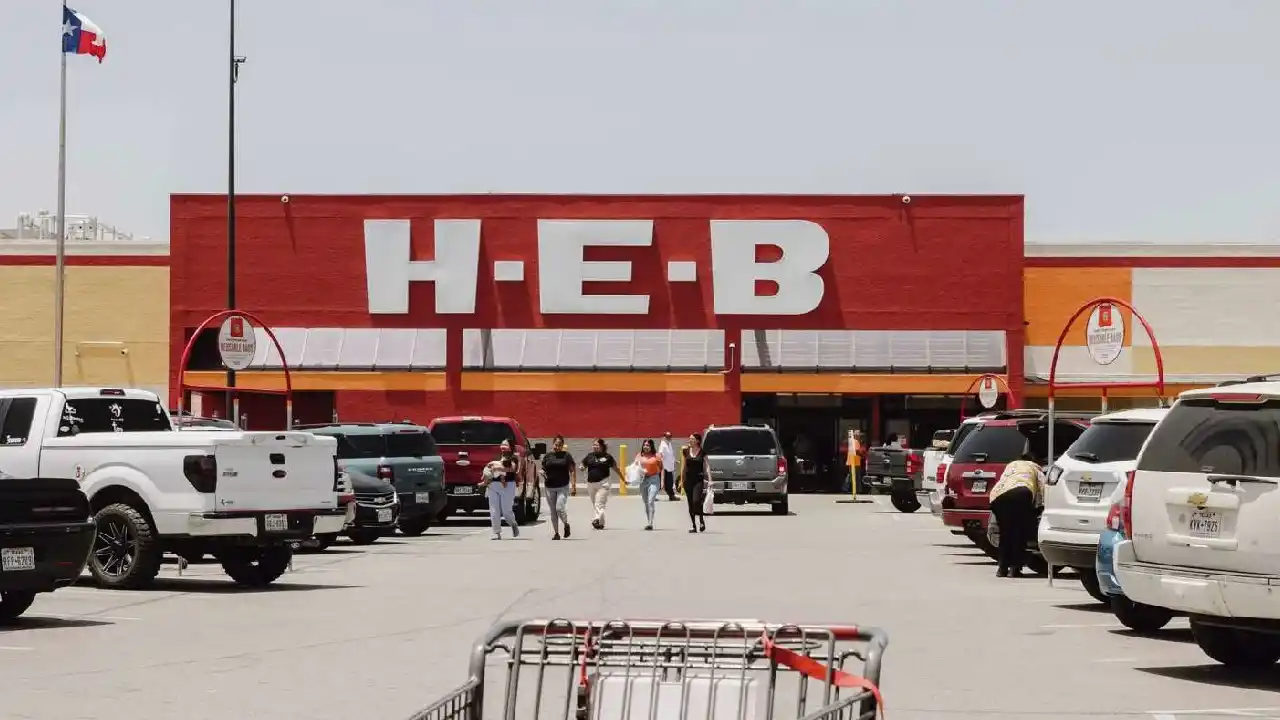
One minute you are picking up groceries at your neighborhood H‑E‑B, and the next you are on the floor with sharp pain shooting through your back, hip, or knee. A slick spill, a broken jar, a loose mat, or a crowded aisle can turn a normal shopping trip into a medical emergency.
If you have been injured at H‑E‑B in Houston, Pasadena, or anywhere in Texas, you are dealing with more than just pain. You may face mounting medical bills, missed work, and an insurance company that fights your claim. You also may not know whether you even have a case.
Before you assume nothing can be done, talk with an experienced Texas premises liability lawyer. If you were injured at HEB, you can learn your rights, understand the value of your claim, and protect yourself from common mistakes that cost shoppers real money.
Common Ways People Get Hurt at H‑E‑B
H‑E‑B serves millions of Texans every year. With so much daily traffic, hazards can appear quickly if employees do not stay on top of safety. Some of the most common grocery store injury scenarios include:
- Slip and fall accidents – Spilled drinks, leaking freezers, crushed produce, freshly mopped floors with no warning signs, rainwater near entrances, or slick restroom floors.
- Trip and fall accidents – Raised mats, loose tiles, broken concrete, cluttered aisles, extension cords, or cardboard boxes left in walkways.
- Falling merchandise – Heavy items stacked too high, poorly secured displays, or workers placing items overhead without proper care.
- Parking lot injuries – Potholes, broken curbs, poor lighting, uneven surfaces, and drivers not paying attention near store entrances.
- Back‑room or loading area injuries to contractors or vendors – Unsafe conditions where non‑employees still have a right to reasonable safety.
These incidents often lead to broken bones, torn ligaments, concussions, spinal injuries, and long‑lasting pain. Even what looks like a “simple” fall may result in surgery or months of physical therapy.
What You Must Prove After a Grocery Store Injury
Under Texas premises liability law, H‑E‑B owes customers a duty of care because shoppers are considered invitees. That means the store must:
- Regularly inspect the property for dangers
- Fix hazards within a reasonable time
- Warn customers of unsafe conditions that are not obvious
To win a claim, you usually need to show:
- There was a dangerous condition on the property (for example, a puddle of liquid or a broken floor tile).
- The condition created an unreasonable risk of harm.
- H‑E‑B knew or should have known about the danger (for instance, it was there long enough that staff should have noticed it, or someone actually reported it).
- The store failed to act reasonably, such as not cleaning the spill, not fixing the broken area, or not putting out warning signs.
- You were hurt because of that hazard and suffered real damages like medical bills, lost wages, and pain.
At the same time, H‑E‑B and its insurance company often argue that you share some blame:
- You were “not watching where you were going.”
- You “ignored” warning signs.
- You wore “unsafe” shoes.
This is where Texas comparative negligence law becomes critical.
Texas Laws That Affect Your H‑E‑B Injury Claim
The Two‑Year Deadline
Under Texas Civil Practice and Remedies Code § 16.003, most personal injury cases, including grocery store accidents, have a two‑year statute of limitations.
That usually means you have two years from the date of your H‑E‑B accident to file a lawsuit. If you wait too long, you can lose your right to compensation completely, no matter how badly you were hurt or how clear the store’s fault appears.
The 51% Comparative Negligence Rule
Texas uses a modified comparative negligence system found in Chapter 33 of the Texas Civil Practice and Remedies Code.
- If you are 51% or more at fault, you cannot recover any compensation.
- If you are 50% or less at fault, you can still recover money, but your award is reduced by your percentage of fault.
For example, if a jury decides your damages are $100,000 but finds you 20% responsible because you were distracted by your phone, you would recover $80,000.
Because of this rule, insurance companies work hard to blame you – even when their insured store failed to clean up obvious hazards. A strong legal strategy pushes back against unfair fault claims.
Types of Compensation You Can Pursue
A serious H‑E‑B injury claim can include both economic and non‑economic damages, such as:
- Medical expenses – ER visits, hospital stays, surgery, imaging, physical therapy, medications, medical equipment.
- Future medical care – Ongoing treatment, injections, rehab, or future surgeries.
- Lost wages – Time you miss from work while you recover.
- Reduced earning capacity – When you can no longer work the same job or same hours.
- Property damage – Broken glasses, phones, or other personal items.
- Pain and suffering – Physical pain, limitations, and disruption to your daily life.
- Mental anguish and loss of enjoyment of life – Anxiety, depression, loss of hobbies and family activities you once enjoyed.
Every case is unique. A minor sprain has a different value than a fractured hip that requires surgery and lifelong care.
Critical Steps to Take Right After an H‑E‑B Accident
What you do in the minutes and days after an accident can make or break your claim. Try to follow these steps as closely as your injuries allow:
- Get medical care immediately. Your health comes first. Quick treatment also creates a clear record tying your injuries to the fall or incident.
- Report the injury to a manager. Ask them to create an incident report and request a copy or at least write down the manager’s name and position.
- Take photos and video. Capture the hazard (spill, broken tile, product on the floor), your injuries, your clothing and shoes, and the surrounding area, including any warning signs—or lack of them.
- Get witness information. Ask for names and contact details for anyone who saw the fall, the unsafe condition, or employees ignoring the hazard.
- Preserve evidence. Keep the clothing and shoes you wore, your receipt, and any paperwork H‑E‑B gave you. Do not wash or throw these items away.
- Avoid giving detailed statements or signing anything for the store or its insurer before speaking with a lawyer. They want to limit what they pay, not protect your rights.
Taking these steps helps preserve evidence, which is vital because security footage can be recorded over and spills often get cleaned up quickly.
What Your H‑E‑B Injury Case Could Be Worth
There is no fixed chart that shows exactly what an H‑E‑B accident case is worth. Instead, the value depends on several key factors:
- How severe your injuries are and whether they are permanent
- The amount and type of medical treatment you need
- How much work you miss and whether you can return to your old job
- Whether you have strong evidence of a dangerous condition and the store’s knowledge of it
- Whether the store’s negligence was obvious or disputed
- Your share of fault, if any, under the 51% rule
Some grocery store injury cases settle for thousands of dollars, while serious, life‑changing injuries can lead to much higher settlements or jury verdicts. A knowledgeable Texas personal injury attorney reviews your medical records, employment history, and the evidence against H‑E‑B to give you an honest estimate.
University of Houston graduate with 5 years of blogging experience, excelling in content strategy, SEO, and audience engagement. Connect with me on LinkedIn.