
Tech
Hydrogeology’s Role in Modern Water Management

Key Takeaways
- Hydrogeology forms a foundation for sustainable water resource management.
- Modern technology elevates groundwater monitoring, modeling, and analysis.
- Interdisciplinary collaboration is vital for developing effective solutions.
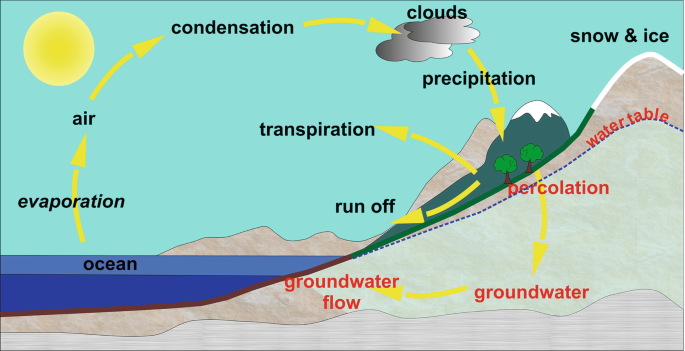
The study of groundwater, or hydrogeology, is more significant than ever as communities face new challenges in water supply. As populations grow and climate change exerts pressure on water resources, a solid grasp of groundwater systems forms a cornerstone of sustainable water policy. Understanding hydrogeology means acknowledging how water interacts underground with soils, rocks, and human activity, shaping everything from drinking water availability to agricultural productivity.
Groundwater makes up a vast percentage of the world’s accessible freshwater. Because it often remains invisible beneath the surface, effective management depends on comprehensive monitoring, sophisticated modeling, and an integrated approach to environmental stewardship. Recent years have ushered in improvements in hydrogeological analysis, thanks to advances in artificial intelligence, computing, and collaborative planning. These changes mean that water managers are better equipped to forecast resource trends and craft strategies to secure future supply.
Hydrogeology also directly impacts flood mitigation, drought resilience, and contamination control. Both government entities and private enterprises rely on accurate groundwater assessments to navigate regulations and design safe, efficient resource plans. These efforts require data on historical trends and real-time conditions, as well as strategies grounded in environmental and social ethics.
Comprehensive water management begins with detailed site characterization studies. These evaluations help predict aquifer behavior, quantify pollution risks, and ensure sustainable water extraction.
Importance of Hydrogeology
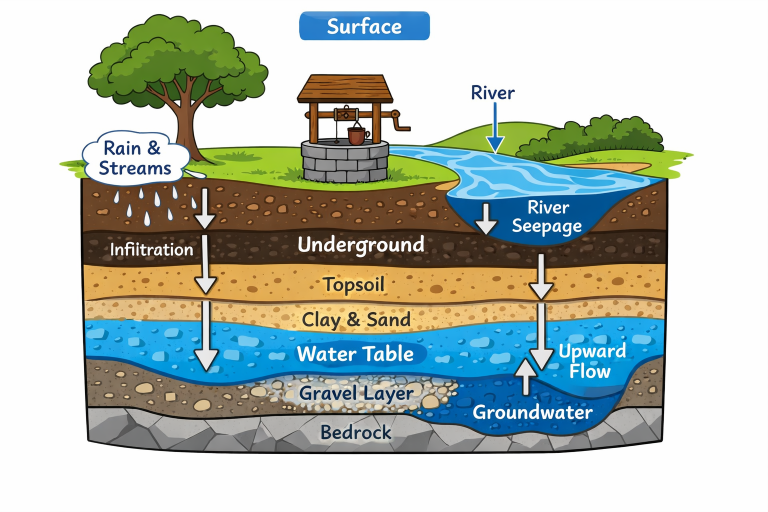
Hydrogeology provides a scientific basis for understanding groundwater storage, flow, and distribution. Professionals in this field assess aquifer conditions, determine the safe yield of wells, and anticipate the effects of land development or hazardous spills on water quality. This insight is critical for policy-makers tasked with balancing water supply against ecosystem health and human demand. Equally, it promotes the equitable allocation of water for agriculture, industry, and municipalities. As National Geographic explains, groundwater is a principal source for nearly half of the global population, making informed water stewardship a high priority.
Technological Advancements in Hydrogeology
New tools and techniques are transforming hydrogeological studies. Computing power and data analytics enable hydrogeologists to process vast datasets collected from satellites, ground sensors, and remote surveys. Artificial intelligence systems, for example, are helping predict recharge rates, identify pollution plumes, and model groundwater-surface water interactions with unprecedented accuracy. These tools improve the ability to manage water across changing climatic or environmental conditions. The integration of machine learning and remote sensing enhances resource management and can reveal critical patterns that would otherwise go undetected.
Sustainable Groundwater Management
Balancing groundwater withdrawal and replenishment is essential for protecting both short-term and long-term access. Over-abstraction, particularly in agriculturally intensive areas, can threaten both water quantity and quality. Techniques such as Managed Aquifer Recharge (MAR), where treated surface water is deliberately injected into aquifers, represent promising strategies for recovering depleted resources. However, implementing MAR requires robust geologic and hydrologic assessments to prevent contamination or unintended consequences. In addition, ongoing legal, technical, and economic challenges must be addressed so that recharge programs become practical and scalable approaches for mitigating groundwater depletion.
Interdisciplinary Approaches
Effective groundwater management does not occur in isolation. It requires input from multiple fields, including geology, engineering, environmental policy, public health, and economics. Collaboration across these disciplines ensures that management strategies are both scientifically sound and socially responsible. Such comprehensive efforts are especially important when groundwater systems cross national or regional boundaries, where disputes might arise over ownership or usage rights. Bringing together experts from diverse backgrounds helps develop sustainable, context-sensitive solutions.
Case Studies
California’s response to chronic groundwater overdraft provides a useful example of successful, locally-driven sustainability reform. The Sustainable Groundwater Management Act (SGMA) has empowered local Groundwater Sustainability Agencies (GSAs) to create and enforce plans tailored to their specific region’s geological and hydrological profile. This bottom-up approach facilitates direct community engagement, supports adaptive strategies, and demonstrates the power of regulatory innovation in achieving water supply goals. Other regions facing similar conditions are watching California’s evolving framework closely as a blueprint for participatory resource management.
Challenges and Future Directions
Despite advancements, significant hurdles remain. Rapid development, unpredictable weather, and rising water demand strain groundwater systems. Future management depends on better real-time data, improved models, and global cooperation on aquifers. Public awareness and education must keep pace with scientific progress so communities stay informed stewards of water resources. Thought leaders at National Geographic highlight the mounting need for transparent governance and advanced care for the world’s most vital underground assets.
In summary, hydrogeology is the cornerstone of modern water management. By leveraging technological breakthroughs, prioritizing interdisciplinary collaboration, and encouraging local participation, society can rise to meet the challenges of safeguarding water for current and future generations.
Conclusion
In conclusion, hydrogeology plays an indispensable role in safeguarding one of the planet’s most vital resources by providing the knowledge needed to understand, manage, and protect groundwater systems. By integrating advanced technologies, sustainable management practices, and interdisciplinary collaboration, it is possible to address the growing pressures from population growth, climate variability, and increasing demand. Real-world examples demonstrate that informed policies and community-driven approaches can lead to meaningful and lasting improvements. While challenges persist, continued innovation, education, and cooperation will be essential in ensuring that groundwater remains a reliable and sustainable source of life. Strengthening these efforts today lays the foundation for resilient water systems that can support both environmental balance and human needs well into the future.