
HEALTH
How Whole-Body Dental Care Supports Long-Term Wellness


Key Takeaways
- Oral health is deeply intertwined with overall well-being, impacting conditions such as heart disease and diabetes.
- Preventive dental practices and healthy lifestyle choices are central to supporting your entire body.
- Routine dental checkups can facilitate the early detection of both oral and systemic health concerns.
Maintaining a healthy smile does much more than brighten your appearance—it serves as a foundation for your overall well-being. Many people are surprised to learn how the state of their mouth can influence the health of the rest of their body. In the heart of New York, integrative practitioners, such as a holistic periodontist Manhattan, NY, offer comprehensive care, focusing not only on treating dental concerns but also on supporting systemic wellness through tailored prevention and lifestyle guidance.
Whole-body dental care looks at how oral health connects to overall physical health. Instead of viewing dental care as separate from other healthcare, this approach encourages everyone to see oral hygiene as a critical component of long-term wellness. By making a few intentional changes to your daily routine and prioritizing preventive care, you can help safeguard your oral and systemic health for years to come.
Oral Health and Systemic Diseases
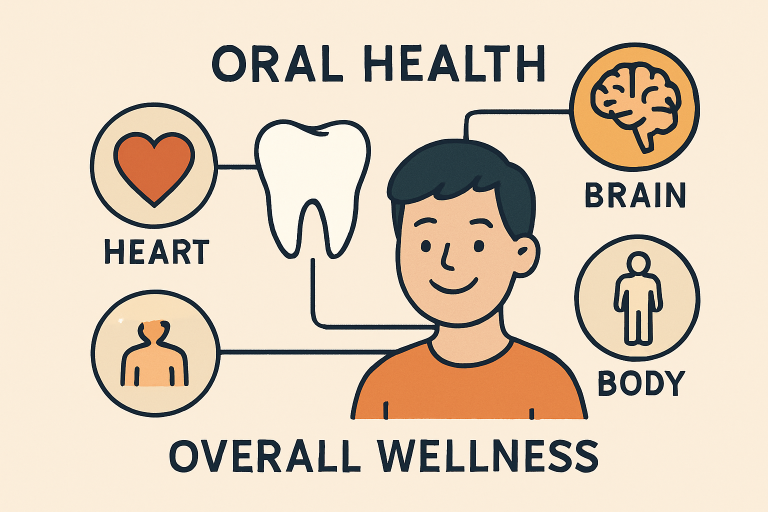
The mouth is a gateway to the body, and its condition can reflect and affect other aspects of health. Poor oral hygiene is often linked with periodontal disease, which doesn’t just impact your gums but has been associated with systemic conditions like cardiovascular disease, diabetes, and even respiratory illness. The Centers for Disease Control and Prevention (CDC) notes that oral infections may contribute to complications in these chronic conditions, as harmful bacteria can enter the bloodstream following inflammation and infection in the gums.
For instance, studies suggest that gum disease can make it harder to control blood sugar in people living with diabetes, and chronic inflammation related to poor dental health may increase the buildup of arterial plaque (atherosclerosis), raising the risk for heart attacks and stroke. As ongoing research continues to expand our understanding, it’s clear that maintaining excellent oral hygiene is an essential element in preventing a variety of health problems.
Preventive Measures for Whole-Body Dental Care
Prevention remains at the heart of whole-body dental care. Practicing daily oral hygiene habits not only prevents cavities and gum disease but also supports systemic health by reducing chronic inflammation and infection risks. Effective preventive measures include:
- Brushing teeth at least twice a day with fluoride toothpaste to remove plaque and food particles.
- Daily flossing to address areas your toothbrush can’t reach and to keep your gums healthy.
- Utilizing antimicrobial mouthwash, which can help control bacteria that cause both dental plaque and infections.
- Following a balanced, nutrient-rich diet low in added sugars discourages harmful bacterial growth in the mouth.
Preventive dental care extends beyond the home. Scheduling regular dental visits for professional cleanings and exams can halt issues before they arise or become more severe, contributing to a healthier mouth and body.
Lifestyle Choices Impacting Oral and Overall Health
What you do every day can make a big difference for both your smile and your overall wellness. The following lifestyle choices have major impacts on oral-systemic health:
- Smoking greatly increases the risk of gum disease, oral cancer, and tooth loss, and negatively affects healing in the mouth.
- Alcohol Consumption: Regular, excessive drinking can dry out the mouth, increase oral acidity, and raise the risk of mouth cancers and liver issues.
- Diet: Diets rich in fruits, vegetables, lean proteins, and whole grains provide the vitamins and minerals needed to strengthen teeth and reduce inflammation, while diets high in sugar and processed foods promote tooth decay and gum disease.
Making healthy choices like quitting smoking, moderating alcohol intake, managing stress, and prioritizing sleep not only supports oral health but is also closely tied to lower risks for chronic diseases such as heart disease and diabetes. According to Harvard Health, the choices we make every day can dramatically change our long-term health outcomes: Harvard Health: Dental care and overall health.
Role of Dental Professionals in Systemic Health
Dental professionals are not just experts in teeth and gums—they are also partners in protecting your overall health. Dentists, hygienists, and periodontists now commonly screen for signs of systemic disease during dental exams. For example, swollen or bleeding gums can indicate immune system problems, and changes in oral tissues might reflect deficiencies or early signs of illnesses such as diabetes or even some cancers.
Some cutting-edge practices include screening tools such as HbA1c tests for diabetes risk, oral cancer screenings, and even blood pressure checks. These integrative approaches allow dental professionals to refer patients to specialists or laboratory testing when necessary, catching potential issues early and helping coordinate care across different medical disciplines. This collaborative care improves patient outcomes, especially for those with chronic health conditions.
Importance of Regular Dental Check-Ups
Visiting your dental provider regularly doesn’t just keep your teeth sparkling—it can save lives. Routine checkups allow dental professionals to remove plaque and tartar that can’t be removed at home, assess the risk of cavities and gum disease, and detect warning signs of broader health problems.
- Early detection of decay, infection, or lesions can mean simpler, less invasive treatment.
- Professional guidance on oral hygiene, nutrition, and behavioral risk factors empowers you to take charge of your own health.
- Dentists may spot early symptoms of systemic conditions—such as diabetes, cardiovascular disease, or autoimmune disorders—allowing for faster referral and intervention.
Regular dental visits are a foundational investment in your wellness journey, providing peace of mind and proven protection against preventable oral and systemic diseases.
Conclusion
Whole-body dental care is more than just a tit; it’s a holistic philosophy rooted in science. By recognizing the vital link between your mouth’s health and your overall well-being and by incorporating preventive measures, positive lifestyle changes, and regular dental check-ups, you can significantly improve your long-term wellness. Embrace your oral health as a stepping stone toward a healthier, more vibrant life.