
Business
How to Obtain a Business Credit Card Using Only Your EIN


Key Takeaways
- Obtaining a business credit card solely with an EIN is challenging but possible under specific conditions.
- Most issuers require a personal guarantee, linking personal credit to business credit.
- Alternative financing options exist for businesses unable to secure EIN-only credit cards.
Many entrepreneurs aim to separate personal and business finances from the outset of their ventures. One way to achieve this is to obtain a business credit card EIN only for the application. While this route can be challenging, especially for new or small businesses, understanding the fundamentals can help you achieve your goal.
A business credit card issued under only your EIN can help preserve your personal credit and limit your liability when appropriately used. However, financial institutions have strict requirements for these cards, and meeting them is not simple. Most issuers rely on your Social Security Number (SSN) and your EIN, which means a personal credit check and a guarantee are usually part of the process. There are notable exceptions, though, which this article will explore, including eligibility conditions and alternative funding solutions.
When your business is ready and capable, you may qualify for a card that relies only on your EIN. Still, you will likely need to demonstrate revenue and an established business profile. Read on to discover how you can prepare, apply, and build long-term business credit with maximum separation from your personal finances.
This guide will also outline what lenders look for, steps to prepare your application, and how to improve your business credit profile so that your company stands on its own. For a broader view of business credit cards and how they work, you might consult external resources, such as this detailed NerdWallet overview.
Understanding EIN-Only Business Credit Cards
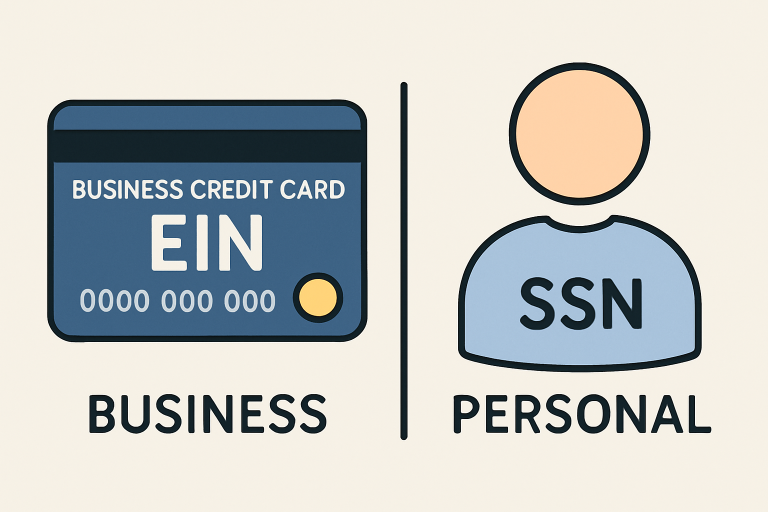
When applying for a business credit card, issuers ordinarily ask for both an EIN and an SSN. This is because your SSN connects your personal financial history to the application, which helps issuers gauge risk. Still, some issuers, particularly those offering corporate credit cards to established companies, may waive the personal guarantee requirement. These lenders look for substantial revenue, strong business credit, and proven operational history. In these rare cases, you can access actual EIN-only business cards, economically separating your business’s credit from your personal credit profile.
Eligibility Criteria for EIN-Only Credit Cards
Not every business will qualify for an EIN-only business credit card. Issuers usually reserve these cards for companies that meet strict criteria, such as:
- Established Business History: Demonstrated track record, typically at least two years in business.
- Significant Annual Revenue: Many providers require $1 million or more in annual revenue to consider waiving personal guarantees.
- Strong Business Credit Profile: Positive payment history, active trade lines, and favorable scores from business credit bureaus.
If your company meets these standards, you can make a compelling case for a business credit card application using only your EIN. Otherwise, focusing on building your business credit profile will improve your odds in the future.
Steps to Apply for an EIN-Only Business Credit Card
- Obtain an EIN: Register your business and obtain an EIN from the IRS. The IRS offers a simple online process for getting your EIN, which is essential for tax and banking purposes.
- Build Business Credit: Establish credit by working with vendors and suppliers that report your payment history to the business credit bureaus, including Dun & Bradstreet and Experian Business.
- Research Suitable Credit Cards: Focus on corporate card programs that explicitly advertise “no personal guarantee” or EIN-only applications. This might include cards from major financial institutions or corporate expense management platforms.
- Prepare Documentation: Gather your company’s financial statements, tax returns, proof of revenue, and records of timely payments to demonstrate your business’s financial health and stability.
- Submit Application: Apply for your chosen card, supplying your EIN and supporting documentation. Be prepared for additional verification requests, as issuers may want to assess your business’s full creditworthiness.
Alternative Financing Options
If your business is not yet able to qualify for an EIN-only credit card, other funding sources can support your operations while you continue building your business credit. Consider one or more of these options:
- Merchant Cash Advances: These provide quick cash in return for a portion of your future sales, making them suitable for businesses with steady incoming revenue.
- Invoice Factoring: This involves selling your accounts receivable to a third party at a discount, freeing up cash flow immediately.
- Supplier Credit: Many vendors offer net payment terms, allowing you to buy inventory or supplies now and pay later, often helping to build a positive payment history that supports your business credit file.
Industry reports, like those from Business.org on business credit, provide helpful context for choosing among different small-business financing options.
Building Business Credit Without a Personal Guarantee
- Incorporate the Business: Forming an LLC or corporation is an essential first step in establishing your company as a separate legal entity. This helps demonstrate to lenders that your business can operate independently.
- Open a Business Bank Account: Use this account for all business income and expenses, which creates a clear financial trail and supports your business’s economic credibility.
- Obtain Trade Credit: Proactively request credit terms from suppliers who report to major business credit agencies. On-time or early payments improve your business credit profile.
- Monitor Business Credit Reports: Regularly check your business credit profile with agencies such as Dun & Bradstreet, Experian Business, and Equifax Business. Address any errors and follow your credit-building progress over time.
Consistently following these best practices over months or years sets your business up for long-term financial health and eligibility for the most attractive credit products.
Conclusion
Obtaining a business credit card using only your EIN can provide powerful separation between your personal and business finances, but it typically requires a well-established, profitable, and responsible business. By following the steps outlined above and pursuing alternatives as needed, every entrepreneur can take control of their business finances and work toward greater credit independence. Patience, solid planning, and disciplined financial habits are your best allies in this journey.