
NEWS
How to Design Your Own Custom Printed Ribbon

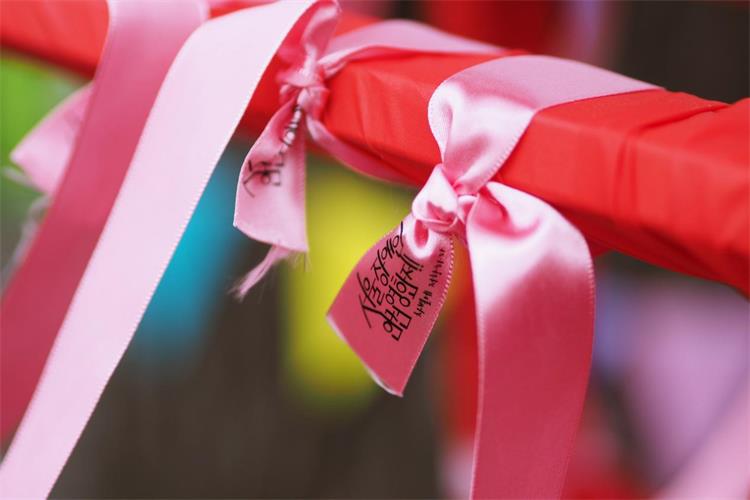
When it comes to adding a touch of personality and professionalism to gifts, packaging, or branding materials, custom printed ribbon is one of the most versatile solutions available. Whether you’re a small business owner wanting to elevate your brand image or an individual preparing for a special event, learning how to design your own ribbon gives you complete creative control. In this guide, we’ll explore how to design your custom ribbon, from material selection to printing techniques and styling ideas.
Why Choose Custom Printed Ribbon?
A custom printed ribbon is not just a decorative accessory—it’s a branding tool that conveys quality, creativity, and attention to detail. Whether you use it to wrap products, tie event favors, or enhance packaging, it reflects your unique identity.
Some key benefits include:
- Brand visibility: Custom ribbons with your logo or tagline help reinforce your brand every time a customer opens a package.
- Professional presentation: High-quality printed ribbons make even simple packaging appear elegant and premium.
- Personal touch: Personalized designs for weddings, birthdays, or corporate events make your gifts memorable.
When you design your custom ribbon, you create an accessory that communicates emotion, style, and professionalism all in one.
Step 1: Choosing the Right Ribbon Material
The foundation of a beautiful printed ribbon lies in its material. The most common ribbon types include:
1. Satin Ribbon
Known for its glossy surface and smooth texture, satin ribbon is ideal for luxury branding, gift wrapping, and fashion accessories. It gives a sophisticated finish that makes your packaging stand out.
2. Grosgrain Ribbon
With its ribbed texture, grosgrain is durable and suitable for more casual or rustic designs. It’s perfect for crafts, promotions, and decorative bows.
3. Cotton Ribbon
Eco-conscious brands often choose cotton ribbons due to their natural and biodegradable qualities. These work well for sustainable or organic product packaging.
4. Organza Ribbon
Light and sheer, organza ribbons bring elegance to weddings and festive events. They’re also ideal when you want a soft, romantic appearance.
Choosing the right material when you design your custom ribbon ensures the final product not only looks appealing but also aligns with your brand or occasion.
Step 2: Deciding on Ribbon Width and Length
Ribbon width plays a key role in both design and practicality.
- Narrow ribbons (10–15mm): Great for smaller packaging or delicate gifts.
- Medium ribbons (20–30mm): The most popular choice for branding and event decoration.
- Wide ribbons (40mm and above): Ideal for statement packaging and bold logo prints.
Before you print, make sure to measure your packaging size and determine the required length for your rolls or individual pieces. The right size helps your custom print appear proportionate and visually balanced.
Step 3: Selecting Colors That Reflect Your Brand
Color psychology plays a vital role in design. When creating a custom printed ribbon, your choice of colors can influence how customers perceive your brand.
- Gold and silver tones: Represent luxury and exclusivity.
- Pastel shades: Offer a soft, elegant touch—perfect for weddings and baby showers.
- Bold colors (red, navy, black): Work well for strong, modern brands.
- Eco hues (greens, beiges, browns): Ideal for sustainable and natural brands.
When you design your custom ribbon, always make sure the text or logo color contrasts well with the ribbon background to ensure visibility and clarity.
Step 4: Customizing Your Print Design
Now comes the creative part—deciding what to print. Here are some design elements you can include:
Logos and Branding
Add your business logo or slogan for a professional finish. A well-placed logo on every few inches of ribbon can significantly enhance brand recognition.
Personalized Messages
For weddings or special events, consider printing the couple’s names, event dates, or heartfelt messages.
Patterns and Icons
You can add simple patterns such as stars, hearts, or stripes to complement your theme.
Remember, simplicity often works best. The print should be readable and well-aligned to maintain an elegant appearance.
Step 5: Choosing the Right Printing Method
The printing technique determines how your design appears and how long it lasts. The three main printing methods are:
1. Hot Foil Printing
This technique uses heat and metallic foil to create a shiny, high-end effect. It’s ideal for luxury brands and festive occasions.
2. Screen Printing
Perfect for bold, solid designs. It’s durable and vibrant, making it a great choice for long-lasting branding.
3. Digital Printing
Offers full-color flexibility and intricate detail, suitable for creative patterns or photo-quality prints.
Your choice depends on the complexity of your design, color preferences, and budget.
Step 6: Proofing and Testing Your Design
Before final production, always request a digital proof or sample. This allows you to check the accuracy of colors, alignment, and overall design layout. Make any necessary adjustments before mass printing to avoid costly errors.
A professional ribbon supplier can provide mockups so you can visualize how your final product will look once printed.
Step 7: Applying and Using Your Custom Printed Ribbon
Once printed, the possibilities are endless. Here are some ways to use your custom printed ribbon:
- Product Packaging: Tie around boxes, jars, or bags for a premium presentation.
- Corporate Gifts: Add an elegant touch to promotional giveaways.
- Event Decor: Use for floral arrangements, invitations, and table settings.
- Retail Displays: Elevate your in-store presentation and brand experience.
When you design your custom ribbon thoughtfully, it transforms simple packaging into a memorable, branded experience.
Maintenance Tips for Long-Lasting Quality
To ensure your ribbons remain in excellent condition:
- Store them in a cool, dry place away from direct sunlight.
- Avoid folding ribbons with metallic or foil prints to prevent creasing.
- Roll them neatly on spools to maintain shape and smoothness.
- Spot-clean with a soft cloth if necessary—never machine wash.
Proper care helps preserve your investment and ensures your ribbons always look pristine.
Where to Order Your Custom Printed Ribbon
When sourcing your ribbon, choose a reputable supplier with a range of customization options and high-quality printing technology. Look for companies offering:
- Various ribbon materials and finishes
- Pantone color matching for accurate branding
- Sample approval before bulk printing
- Fast turnaround times
A professional supplier can guide you on the best material and print method based on your purpose and budget.
Final Thoughts
Designing your own ribbon is both creative and rewarding. With careful attention to detail—from color and texture to print quality—you can create a powerful branding element or personal keepsake.
Whether you’re a business aiming for elegant packaging or an individual preparing for a special occasion, taking the time to design your custom ribbon ensures that your product stands out, tells a story, and leaves a lasting impression.