
Home Improvement
How to Choose the Right Tile Finish: Matte vs. Glossy

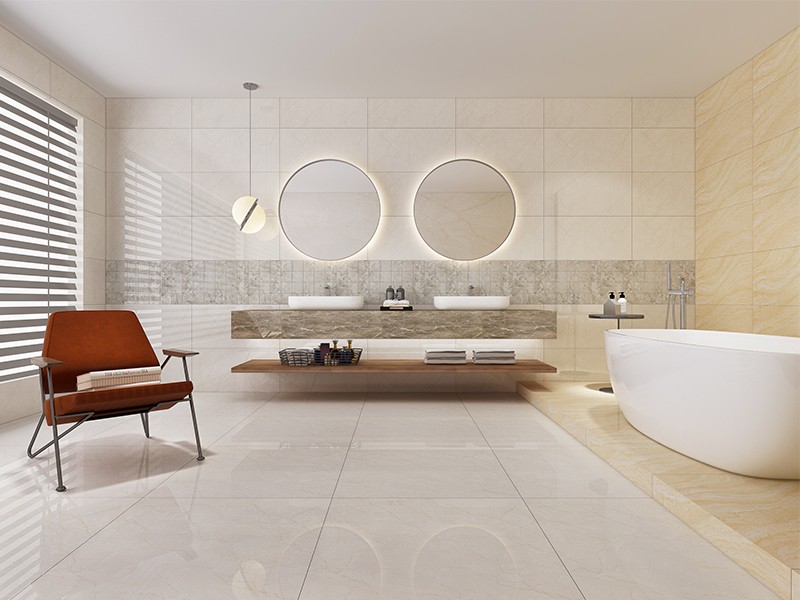
Key Takeaways
- Matte and glossy tiles offer distinct advantages in style, durability, and maintenance.
- Safety considerations, especially in high-moisture areas, can be a deciding factor.
- Design goals such as creating brightness or adding texture will help guide your choice.
- Room function and traffic should be considered before finalizing your tile finish.
Introduction
The finish of a tile is not just about looks—it’s a key component in determining how a space feels and functions. Choosing between matte and glossy tiles can significantly impact various aspects of your home, including light reflection and safety. Whether you’re renovating a hallway or designing a new bathroom, taking the time to weigh your options is essential. In cities like Los Angeles, working with a tile contractor Los Angeles, CA ensures you receive professional insight tailored to your local environment and specific needs.
A finish affects cleaning routines, the perceived size of a room, and even the comfort of the floor under bare feet. Understanding the difference is the first step to curating a space that balances beauty with practicality.
Understanding Matte Tiles
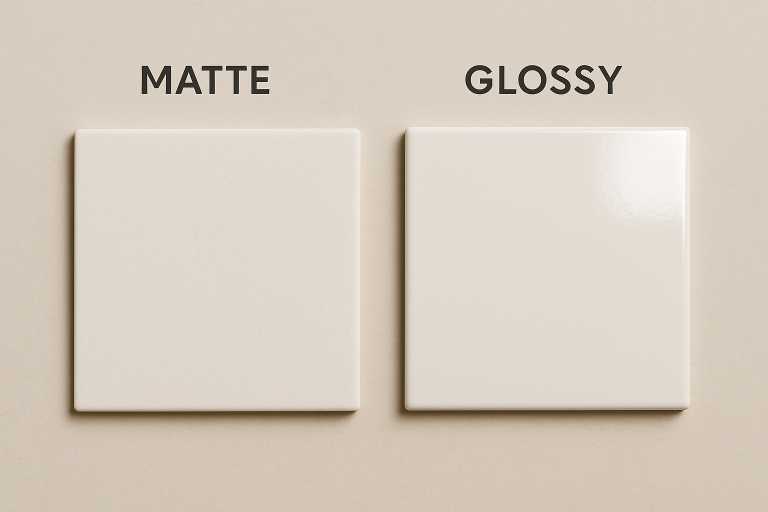
Matte tiles offer a modern, understated elegance with their non-reflective surface. Their muted finish diffuses light to create a calm, spa-like atmosphere, perfect for those drawn to organic, earthy interiors. The slightly textured surface gives a tactile quality that evokes a natural stone or concrete effect, blending seamlessly into rustic, minimal, or industrial settings.
Beyond aesthetics, matte tiles are renowned for practicality. Their slip resistance makes them ideal for high-moisture areas, such as bathrooms, laundry spaces, and mudrooms. Thanks to their low-glare properties, matte tiles also excel at hiding smudges, water spots, and daily debris—making them perfect for busy households and high-traffic floors.
Exploring Glossy Tiles
Glossy tiles, living up to their name, have a high-sheen, mirror-like surface that bounces light throughout the room. This reflective quality instantly makes spaces feel brighter and more expansive—a trick often employed in powder rooms or kitchens lacking natural light. The smooth finish also gives a polished, high-end vibe that pairs beautifully with contemporary or luxurious decor themes.
Maintenance with glossy tiles is a breeze; spills and dirt can be quickly wiped away. However, their shine also reveals every fingerprint, smudge, or water droplet so that they may require frequent touch-ups in heavily used spaces. Slipperiness when wet is a consideration—glossy finishes are often reserved for walls, backsplashes, or low-traffic zones.
Comparing Durability and Maintenance
Both matte and glossy tiles are durable options for residential and commercial spaces, but their finishes respond differently to wear and tear. Matte tiles are particularly adept at masking scratches, dust, and stains; their texture offers a forgiving surface that doesn’t require daily polishing. This makes matte finishes especially well-suited for entryways, kitchens, and children’s playrooms.
Glossy tiles, although easy to keep shiny, tend to show scuffs, scratches, and film buildup more visibly. Regular wiping or using gentler cleaning products may be necessary to maintain their luster.
Safety Considerations
Traction is a crucial consideration, particularly in areas prone to spills or splashes. Matte tiles have a distinct advantage in these environments due to their textured surface. They’re the preferred option for bathroom floors, shower surrounds, and kitchens where slip resistance is most crucial.
Conversely, glossy tiles may become dangerously slick when wet, especially on sloped or frequently damp floors. For families with young children, older adults, or pets, matte surfaces reduce the risk of slips and falls. Glossy tiles are best suited for areas where traction is less important, such as accent walls or decorative borders.
Design and Aesthetic Impact
The design impact of matte versus glossy tiles is dramatic. Matte finishes complement organic textures and natural palettes, making them a go-to for rustic, farmhouse, or Scandinavian interiors. The subdued effect helps highlight architectural features or statement decor pieces without overwhelming the senses.
On the other hand, glossy tiles unleash the power of light, reflecting sunshine or artificial illumination to make tight areas feel open and lively. This makes them a favorite in modern, minimalist, or glam-inspired interiors. Whether you want your surfaces to blend in or stand out, understanding these visual effects is key to a cohesive design scheme.
Room-Specific Recommendations
Choosing a tile finish depends largely on the intended use and location. For most bathroom floors and wet rooms, matte tiles offer essential safety and minimal maintenance. Glossy tiles can create stunning shower or accent walls, adding style without risking slipperiness underfoot.
In the kitchen, matte tiles on the floor conceal food spills and footprints, while glossy backsplashes reflect light across counters, creating a clean and bright prep area. For living rooms and hallways, matte tiles lend warmth and resist daily wear, although a glossy hearth or border can elevate the overall feel.
Final Thoughts
Striking the right balance between practicality, safety, and design is essential when choosing between matte and glossy finishes. Consider the specific demands of each room, your personal style, and your approach to day-to-day maintenance. By weighing these factors and consulting with experienced tile professionals, you can ensure that every surface supports both your vision and lifestyle.