
Home Improvement
How Roof Design Affects Energy Efficiency—And What Most People Overlook

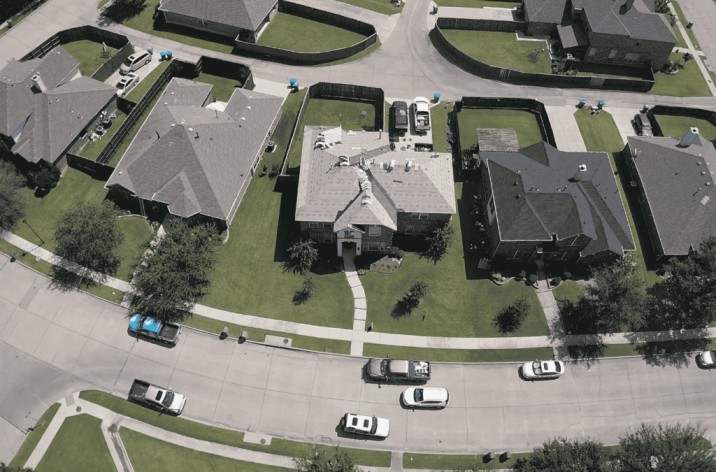
Start with a simple question: when was the last time you looked at your roof and thought about energy use?
Not leaks. Not missing shingles. Not storm damage. Just energy.
Most people never make that connection. And yet, the roof plays a critical role in how hard your home works to stay warm in the winter and cool in the summer. It’s not just a lid on your living space—it’s the largest, most exposed surface on the structure. Every hour of sunlight, every gust of wind, every frost that settles overnight interacts directly with that upper layer.
Your roof is in constant conversation with your climate. Whether it’s absorbing heat or deflecting cold, it’s actively involved in your home’s energy behavior. And the way it’s designed? That’s where the story begins.
Form Meets Function
A steep pitch. A flat stretch. A shaded corner. A skylight. Every shape and detail of your roof’s architecture affects how energy moves in and out of your home.
Take slope, for example. In snowy regions, steeper roofs help shed weight and moisture, preventing buildup that could compromise insulation or freeze into destructive ice dams. In hotter zones, flatter, lighter-colored roofs reflect sunlight and reduce thermal gain.
But design isn’t just about angles. It’s about materials, layers, and decisions. It’s about whether your roofing system includes radiant barriers, whether your vents are actually doing their job, and whether your attic is a passive oven—or part of a regulated energy system.
Most homeowners only think about their roof when something is broken. But a well-designed roof isn’t just preventing leaks—it’s managing the climate within your home.
The Insulation You Don’t See
There’s something powerful happening between the shingles and the ceiling. Hidden layers of insulation and ventilation play a huge role in controlling energy transfer. When that system is unbalanced, everything suffers—your HVAC works harder, your energy bills creep upward, and your indoor comfort feels inconsistent.
Proper insulation beneath the roof deck reduces heat loss in winter and slows down solar gain in the summer. But insulation is only half the equation. Without airflow, moisture gets trapped, and warm air becomes stagnant. That’s where smart ventilation design comes in—pulling air through the attic, exhausting heat, and keeping temperature fluctuations in check.
When roof design ignores these systems, it turns the top of your house into a liability. When it embraces them, it becomes a silent partner in your energy savings.
Material Choices That Do More Than Cover
It’s easy to choose roofing material based on aesthetics. Color, texture, curb appeal. But when energy efficiency is part of the conversation, materials tell a deeper story.
Asphalt shingles, the go-to option for many, can be enhanced with reflective granules that deflect sunlight rather than absorb it. Metal roofing reflects heat naturally and cools quickly once the sun sets. Tile and slate offer thick, thermal mass benefits that reduce temperature swings in certain climates.
What many homeowners don’t realize is how these choices affect the way your home breathes. A dark, absorbent roof in a sunny region may look nice but could push attic temperatures into the triple digits. A reflective surface in a cold climate may reduce helpful passive heat during the day.
It’s not about finding the “best” material—it’s about matching the right one to your home’s energy needs and your region’s weather patterns. And that’s where a skilled roofing company makes all the difference.
Windows, Shade, and the Roof Above
Let’s zoom out. Your roof doesn’t exist in a vacuum. It’s part of an ecosystem that includes your windows, insulation, and even the trees in your yard. All of these factors influence how your home deals with heat and cold.
But here’s the part most people overlook: the shape and overhang of your roof can control how much sunlight hits your windows. Properly designed eaves can block harsh summer sun while still letting in the low winter light. Skylights can flood a space with daylight or overheat a room depending on their angle. Dormers and valleys create microclimates—small areas where airflow stalls and moisture lingers.
It’s architectural language, and your roof is speaking it whether you’re listening or not.
If you’re planning a roof replacement, it’s the perfect opportunity to assess how your current design supports or undermines your home’s efficiency. This isn’t just about upgrading materials—it’s about upgrading performance.
Real Efficiency Doesn’t Just Happen
There’s a misconception that energy efficiency is built into products. That a better shingle or a pricier system will automatically fix the problem. But the truth is, real efficiency comes from thoughtful planning, quality installation, and an understanding of how your home interacts with the world around it.
Working with a professional team—like Upright Roofing and Construction—gives homeowners more than just a finished project. It provides insight. It brings expertise to the table, helping you select roofing solutions that aren’t just weather-resistant, but performance-driven. The right design can shave dollars off your bills every month, and that adds up more than most people expect.
Questions Worth Asking
If you’re replacing a roof—or even maintaining one—start by asking questions that go beyond the surface.
- How does this material affect attic temperature?
- Will this design work with my region’s climate?
- Are there ventilation options that improve energy flow?
- Should I consider light-colored roofing to reduce summer cooling loads?
- Is my current roof supporting—or fighting—my home’s HVAC system?
The answers to these questions may not be visible from the street, but they’re written all over your utility bills.
The Hidden ROI of Smart Roof Design
Energy efficiency doesn’t come with a ribbon on top. It won’t dazzle your neighbors like new siding or a stylish door. But it will reward you in the background—month after month—with reduced costs, improved comfort, and longer system lifespans.
It also adds value when it’s time to sell. Buyers are increasingly looking for homes that are efficient, not just attractive. A roof that performs well becomes a hidden asset—a feature that’s felt rather than seen.
That’s the power of design. That’s what turns a roof from an overhead expense into an underappreciated investment.
Final Thoughts
The next time you look up at your roof, think beyond the surface. Think beyond the shingles. Think about how that structure is silently influencing your comfort, your energy use, and your wallet.
Roof design isn’t just architectural. It’s environmental. It’s personal. It’s strategic.
And with the right planning—and the right roofing company—you can make it work harder for you, not just sit there weathering storms.
Because when it comes to your home’s energy footprint, what’s on top sets the tone for everything beneath.