
Home Improvement
How Residential Electrical Panels Keep Homes Safe

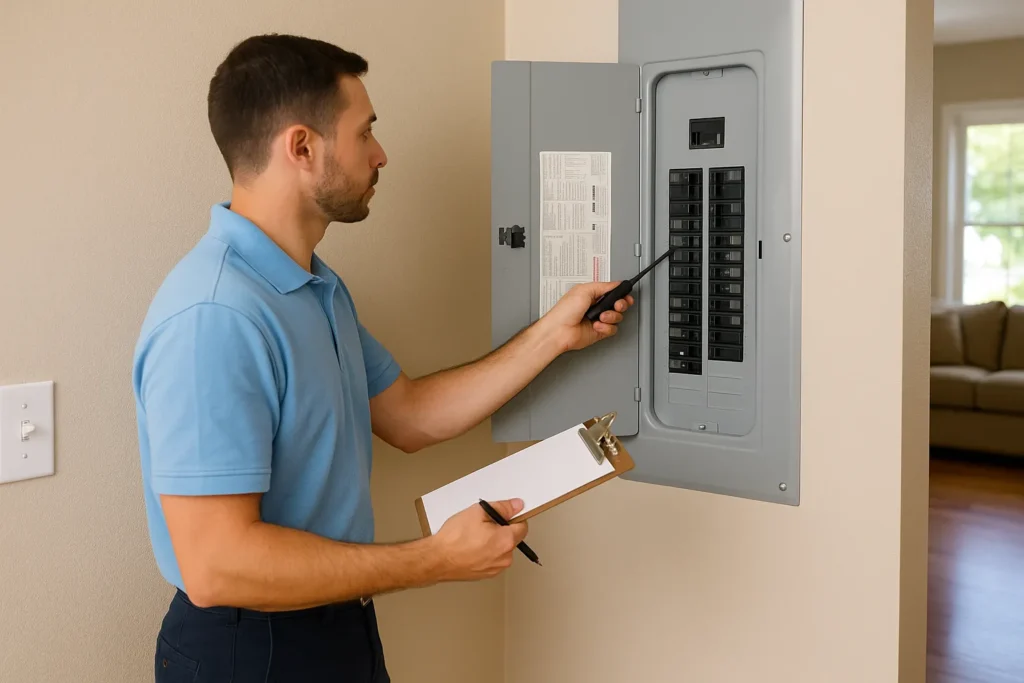
Electrical panels serve as the backbone of a home’s electrical infrastructure, directing the flow of electricity to all rooms and appliances while safeguarding occupants from potential hazards. Whether you are a first-time homeowner or maintaining an older property, ensuring your panel is functioning correctly is paramount for overall household safety. If you’re facing issues like flickering lights or frequent breaker trips, seeking professional insight, such as electrical main panel repair in Orange County, CA, can prevent minor issues from escalating into critical safety problems.
Each home’s electrical needs change over time. As families add devices and appliances, the electrical panel’s role in preventing overloads and failures becomes even more significant. A modern, well-maintained panel keeps electrical currents controlled and stable, drastically reducing the risk of fire, appliance damage, and other safety concerns. Homeowners who understand the function of their electrical panel are better equipped to recognize problems early on and maintain a safe environment for their families.
Understanding Electrical Panels
The electrical panel, often called a breaker box, is the central distribution point for electricity in a home. Power from the utility company enters your house through this panel, which splits the electricity into separate circuits for lighting, outlets, and major appliances. Built-in circuit breakers or fuses protect each circuit from drawing too much current, which can cause overheating or even a fire. A modern electrical panel will also include clear labeling, making it easier to identify and isolate any malfunctioning circuits during emergencies.
Common Safety Hazards
Safety risks increase when panels are outdated, installed improperly, or become overloaded. Homes built before the 1990s may still use panels that do not meet today’s safety standards. For example, certain brands, such as Federal Pacific and Zinsco, have a documented history of failing to trip during overload conditions, allowing hazardous conditions to go unchecked. These failures may lead to electrical arcing, melted circuits, and, in worst-case scenarios, house fires.
Signs Your Panel Needs Attention
Several warning signs may indicate that your electrical panel is due for a professional check or replacement:
- Breakers trip frequently, sometimes without an obvious cause
- Lights flicker or dim, especially when larger appliances turn on
- There is a persistent burning odor or the sound of crackling from the panel area
- Obvious wear, such as excessive warmth, rust, or dark scorch marks around the panel
Ignoring these signals can lead to costly and dangerous consequences, such as electrical fires or damage to home electronics. Staying alert to these symptoms can make a crucial difference in preventing emergencies.
Importance of Regular Inspections
Routine electrical safety inspections are critical for identifying hazards before they become serious issues. Professional electricians assess whether circuits are overloaded, check for frayed or outdated wiring, and test the reliability of safety mechanisms inside the panel. For most homes, a full inspection every three to five years is recommended, with greater frequency for older properties or those that have undergone renovations.
Upgrading to Modern Panels
Upgrading to a modern electrical panel can significantly improve safety and better accommodate the power needs of contemporary households. Newer panels support higher amperage, necessary for energy-hungry appliances such as air conditioners and electric vehicles. Modern upgrades often feature advanced safety technologies, including Arc-Fault Circuit Interrupters (AFCIs) and Ground Fault Circuit Interrupters (GFCIs), which provide enhanced protection against shocks, short circuits, and electrical fires. Homeowners planning remodels or adding new appliances should factor in the benefits of a panel upgrade when evaluating long-term property safety.
Compliance with Electrical Codes
Electrical codes are developed to reflect the latest research and standards on residential electrical safety. Homeowners need to ensure that panel installations or upgrades comply with current regulations to remain safe and eligible for home insurance coverage. For example, the 2023 revision of the National Electrical Code requires specific safety devices, such as whole-home surge protectors, on new or replacement panels. Non-compliance not only threatens resident safety but may also trigger legal and insurance complications in the event of an electrical incident. Always work with licensed professionals who stay up to date with local and national requirements.
Protecting Against Power Surges
Power surges, whether caused by lightning, utility grid fluctuations, or large appliances cycling on and off, can inflict severe damage on sensitive electronics and household infrastructure. Installing a whole-home surge protector as part of your electrical panel setup is an effective way to protect your property and appliances. Surge protections help absorb or redirect unwanted voltage spikes, extending the lifespan of everything from computers to kitchen appliances. This precaution is especially important in regions prone to storms or frequent grid instability.
Conclusion
Residential electrical panels are central to both convenience and safety in modern homes. Proactive maintenance, regular inspections, and upgrades to meet current codes are essential steps every homeowner should undertake. Being informed about the condition and functionality of your electrical panel ensures that your property, belongings, and loved ones remain protected from preventable hazards. For peace of mind and dependable safety, always collaborate with a certified electrician when addressing panel repairs or upgrades.