
HEALTH
How Personalized Physical Therapy Plans Foster Faster Recovery


Embarking on a recovery journey after an injury or surgery often feels overwhelming. Individuals typically seek solutions that not only restore function but also return them to daily life as quickly and safely as possible. That is where personalized physical therapy (PT) plans come in. By creating tailored rehabilitation strategies, providers such as Sage PT focus on each patient’s unique needs, drastically improving recovery speed and overall outcomes.
Personalized PT does more than just treat the injury at hand. It takes into account each person’s medical background, lifestyle, and specific goals, creating a roadmap that maximizes engagement and minimizes setbacks. Rather than relying on generic exercises, patients receive targeted guidance that adapts as they heal, ensuring steady and meaningful progress throughout their rehabilitation.
This individualized approach can be especially crucial for people with challenging or complex conditions. Personalized plans are designed to address the root causes of pain, not just the symptoms, helping patients reclaim mobility and confidence for the long term. With the rise of digital health tools and advancements in movement science, these customized plans are now more accessible and effective than ever before.
Understanding Personalized Physical Therapy
At its core, personalized physical therapy is about treating the patient as a whole person. Therapists start by conducting a thorough evaluation that accounts for everything from a patient’s age and activity level to their pain tolerance and long-term ambitions. This information forms the blueprint for a rehabilitation plan that is not only functional but also directly aligned with the patient’s life outside the clinic. According to experts, this approach significantly increases the chance of a successful recovery, especially in complex cases.
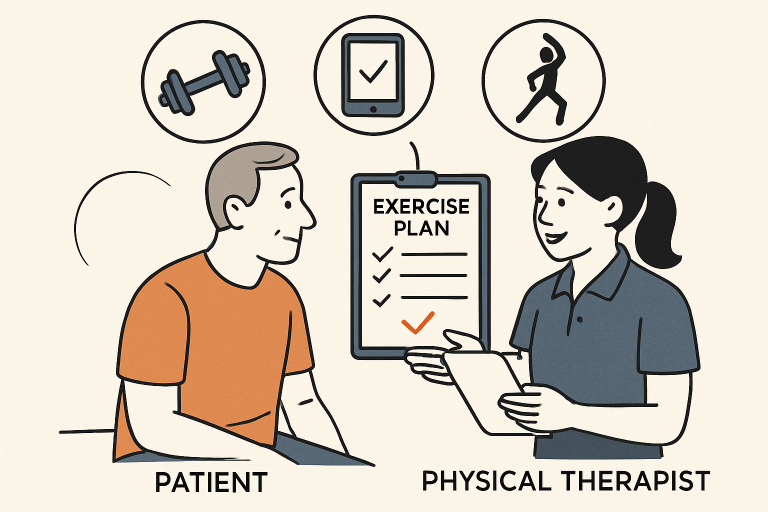
Rather than following a standard template, therapists blend hands-on techniques, targeted exercises, and patient education to address the underlying causes of pain and dysfunction. Whether the goal is to walk without pain, return to sports, or simply get through the day comfortably, personalized care is essential.
Benefits of Tailored PT Plans
- Accelerated Recovery: By identifying and addressing each patient’s specific limitations, personalized plans pinpoint the fastest route to healing.
- Enhanced Motivation: Patients are more likely to adhere to a program designed around their interests, goals, and feedback. Personal relevance keeps motivation high throughout the recovery process.
- Reduced Risk of Re-injury: Customized routines target the weak links in a patient’s musculoskeletal chain, preventing repeat injuries and ensuring more durable outcomes.
Technological Advancements in Personalized PT
The integration of technology has been a pivotal shift in making physical therapy more adaptable and data-driven. Devices like smart wearables, motion-capture apps, and tele-rehabilitation platforms now play a significant role. These tools let both patients and therapists track performance in real-time, highlighting areas of rapid improvement or concern. For example, motion analysis apps provide immediate feedback on exercise form, helping patients make on-the-spot corrections for safer, more effective movement.
Home-Based Rehabilitation
One of the main advantages of personalized PT plans is their adaptability to everyday life. Since recovery requires regular engagement, plans that can be executed at home are more likely to be followed. Therapists often assign home exercises that fit seamlessly into daily routines, making it easier to stay consistent over time. Performing stretches while brushing teeth or carrying out balance drills while putting away groceries exemplifies how rehabilitation can become an organic part of one’s day. This not only accelerates progress but also builds habits that support long-term health.
Data-Driven Exercise Progression
Today’s personalized therapy is increasingly powered by data. Therapists use data from wearable devices and digital platforms to monitor a patient’s journey and make evidence-based adjustments as needed. If a patient is excelling with flexibility but lagging in strength, for instance, the treatment focus can be shifted accordingly. This dynamic feedback loop keeps the exercises both challenging and appropriate for the stage of healing. By letting the results guide the plan, each session contributes meaningfully toward recovery goals.
Final Thoughts
Personalized physical therapy plans represent a forward-thinking approach to rehabilitation that puts patient needs first. Tailoring each step of the process increases the likelihood of a swift, thorough recovery. By leveraging technology, integrating exercises into daily life, and using real-time feedback, therapists and patients can work together to achieve rapid, enduring results. As research continues to demonstrate, individualized care does not just get you back on your feet faster; it also helps you stay active and healthy for years to come.