
Home Improvement
How Moisture in Crawl Spaces Affects Home Health

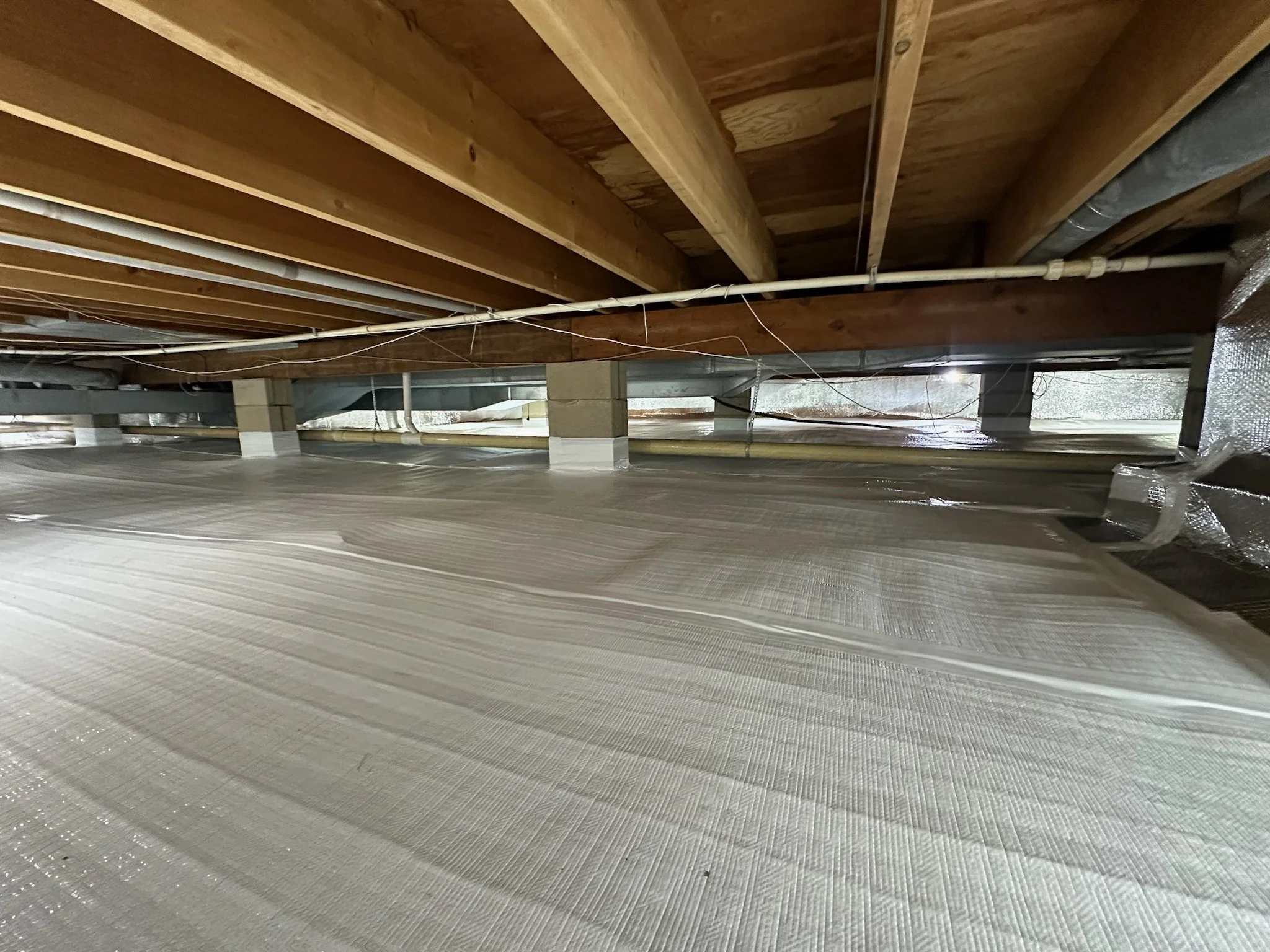
Moisture lurking beneath your home might seem harmless at first glance, but in reality, it can wreak havoc on both your house and your health over time. While it may not be immediately visible, hidden dampness below your floors can gradually undermine your property’s integrity and directly impact the lives of everyone living there. Understanding exactly how excess humidity and dampness in crawl spaces can disrupt your daily comfort, threaten structural stability, and compromise air quality is vital for every homeowner. Many people tend to underestimate the long-term risks posed by moisture under their homes, but ignoring the problem can lead to costly repairs and persistent health issues. Taking proactive steps—such as crawlspace waterproofing—is essential not only for maintenance but also for creating a safe, healthy living environment for your family and guests.
Problems beneath your floorboards, particularly moisture in crawl spaces, can spread throughout your home, causing warped or creaky flooring, stains on walls and ceilings, and musty odors that carry allergens. If left unaddressed, this dampness promotes mold, mildew, and pests, leading to structural damage and potential health issues. Early detection and prompt intervention are essential to prevent costly repairs and protect both your home and your family’s well-being.
Structural Damage
Excess moisture in crawl spaces poses a serious threat to your home’s framework, often in ways that aren’t immediately obvious. When supporting structures such as wood joists, beams, and sills are exposed to prolonged humidity, they begin to rot and deteriorate. Rotting wood becomes soft, losing its ability to bear weight and maintain shape. This breakdown gradually weakens floor joists and other supports, leading to sagging, bouncy, or even uneven floors. Engaging professional foundation services can help identify moisture-related risks early, reinforce structural integrity, and implement solutions such as vapor barriers or drainage improvements to prevent further damage. If left unchecked, you may notice warping of the structure, doors or windows that stick, or, worse, significant home instability. Additionally, unchecked rot can spread and accelerate the deterioration of your home’s most essential components, sometimes resulting in costly, pervasive damage that may require major renovations.
Mold and Mildew Growth
Dark, humid spaces are the ultimate breeding ground for mold and mildew, which is why crawl spaces with excess moisture are nearly always affected. As these fungi flourish, they consume organic materials—such as insulation, wood, and drywall—compromising your home’s energy efficiency and structural soundness. Many people are surprised to learn that health issues associated with mold and mildew can be just as severe as the physical damage they cause. Mold spores can rapidly circulate throughout the home, even entering air ducts and spreading through the HVAC system. These airborne particles can lead to allergic reactions, chronic coughing, sneezing, and skin irritation, and they can trigger or intensify pre-existing conditions such as asthma. The Centers for Disease Control and Prevention (CDC) links indoor dampness with increased respiratory tract problems and persistent allergic symptoms, and strongly recommends prompt remediation to minimize risk. If left unchecked, mold exposure can also cause unexplained fatigue or headaches, particularly in sensitive individuals or young children.
Pest Infestations
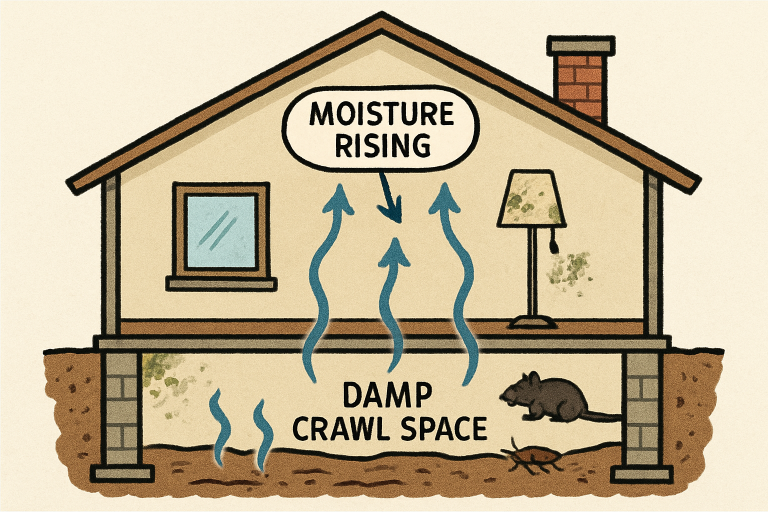
Moist environments beneath your home are prime targets for various pests, including termites, rodents such as rats and mice, and insects like ants and cockroaches. Termites in particular thrive in wet, rotting wood, and once established, they can rapidly consume foundational supports and framing. The same moist, sheltered conditions attract rodents and insects seeking water and protection. Not only do these pests weaken your home’s foundation and vital structural elements by chewing, burrowing, or nesting, but they can also carry pathogens or leave behind droppings, posing additional health risks to your family. Some pests, like certain insects and rodents, can also introduce unpleasant odors or aggravate allergies. The Environmental Protection Agency (EPA) highlights moisture management as a primary, cost-effective way to keep pests at bay and maintain a healthy home environment. Without intervention, infestations may spread, requiring extensive pest control measures and repairs to restore order and safety.
Poor Indoor Air Quality
It’s estimated that about 40-50% of the air in your home can come from the crawl space, making the condition of that area crucial to your household’s indoor air quality. Moist air rising from the crawl space often carries dust, mold spores, bacteria, and even volatile organic compounds released by decaying wood or pest droppings. This mix can result in persistent musty odors and consistently trigger respiratory discomfort, itchy eyes, or headaches. Children, elderly residents, and anyone with asthma or allergies are especially vulnerable, often experiencing chronic symptoms that are difficult to trace back to the crawl space. Persistent exposure to poor air quality has been linked to a decline in overall well-being, sleep disturbances, and more serious respiratory illnesses.
Increased Energy Costs
Moisture’s effects don’t stop at your home’s health—they can drain your finances too. When insulation becomes damp, it loses much of its effectiveness, letting heat escape in winter and letting hot air in during summer months. That forces your HVAC systems to work overtime, increasing their wear and the energy needed to maintain comfortable living conditions. Over time, you may notice your utility bills steadily rising without an obvious explanation. If ignored, the accumulated cost of inefficient heating and cooling adds up, making what could have been a minor moisture problem into a long-term financial burden. Proactive moisture management, proper insulation, and regular HVAC checks all help maintain thermal efficiency and reduce monthly heating and cooling expenses.
Preventative Measures
Addressing crawl space moisture early is the best way to avoid headaches and expensive repairs down the line. Taking the following trusted strategies can help you maintain a more secure and healthier home for years to come:
- Install Vapor Barriers: Cover your crawl space floor and walls with a robust vapor barrier to prevent ground moisture from seeping upward and stopping water vapor before it invades your living spaces.
- Ensure Proper Drainage: Grade the soil around your home and install gutter extensions or French drains to divert water away from the foundation, preventing pooling and erosion that can quickly lead to dampness below.
- Seal Vents and Openings: Minimize the influx of humid outdoor air by closing or sealing crawl space vents and exterior cracks, helping regulate humidity levels even in wet or humid climates.
- Use Dehumidifiers: A high-quality dehumidifier can help maintain ideal humidity levels beneath your home, making it harder for mold, mildew, or pests to take hold and reducing overall moisture infiltration.
Regular inspections and immediate attention to leaks, plumbing failures, or water damage are vital to preventing recurring problems. If you notice persistent issues—such as standing water, foul odors, or new mold growth—it’s prudent to consult professionals who can diagnose and implement permanent solutions that safeguard your investment.
Dry, well-kept crawl spaces support your home’s structural integrity, promote cleaner air, and enable greater comfort and peace of mind for everyone living in your home. With proper preventive measures and ongoing vigilance, you can keep your home healthy and energy-efficient—while avoiding costly repairs or health issues in the future.