
HEALTH
How Lifestyle Changes Influence Thyroid Health

Key Takeaways
- Balanced nutrition, stress management, and regular exercise are essential for optimal thyroid function.
- Environmental toxins, poor sleep, and specific dietary choices can affect thyroid balance.
- Focus on nutrient-rich foods and avoid known thyroid disruptors to support lasting thyroid health.
Optimal thyroid function is at the heart of a healthy metabolism, steady energy levels, and overall hormonal balance. Small and sustained lifestyle changes can yield significant benefits for thyroid health, helping individuals increase their vitality and reduce the risk of thyroid dysfunction. For anyone concerned about thyroid issues or seeking specialized care, connecting with a Denver thyroid specialist can provide essential support and guidance on individualized treatment plans. Whether you’re living with a thyroid condition or aiming to prevent future issues, making practical adjustments to your daily routine—including diet, stress reduction, physical activity, and sleep—plays a pivotal role. Recognizing and managing environmental exposures, as well as being conscious of the food and substances consumed, can also have a significant impact on thyroid wellness. By understanding these factors and incorporating them into your daily life, you can lay the groundwork for improved thyroid health and overall well-being.
Dietary Choices and Thyroid Health
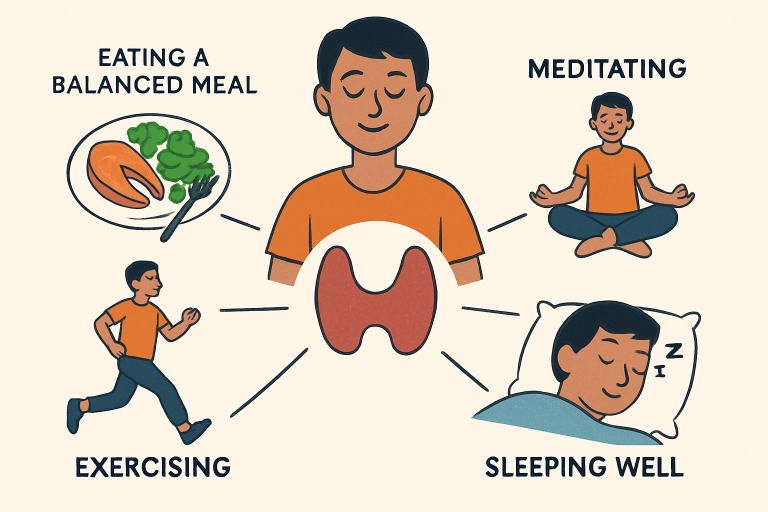
Diet is a primary factor influencing thyroid health, both positively and negatively. Iodine, a vital trace element, is essential for the synthesis of thyroid hormones. Foods such as seaweed, fish, dairy products, and iodized salt are rich in iodine and should be included in the diet, especially in regions where iodine deficiency remains a concern. Selenium plays a complementary role, aiding in hormone conversion and antioxidant defense, and is abundant in Brazil nuts, tuna, and sunflower seeds. However, highly processed foods and those with excess sugars should be minimized, as they can lead to systemic inflammation and worsen existing thyroid problems. Recent research highlights the benefits of a Mediterranean-style eating pattern, rich in fruits, vegetables, whole grains, lean proteins, and healthy fats, for its positive impact on both thyroid and overall metabolic health.
Stress Management Techniques
Stress has a profound impact on the endocrine system, particularly on the thyroid gland. Chronic physical or emotional stress elevates cortisol, which can disrupt thyroid hormone production and lead to or worsen hypothyroidism. Mind-body practices such as yoga, deep-breathing exercises, prayer, and meditation help moderate the stress response. Setting aside consistent time for mindfulness and relaxation can reduce negative physiological impacts and potentially improve thyroid function over time. In fact, regular stress management is increasingly recommended as part of comprehensive thyroid care.
Physical Activity and Thyroid Function
Regular exercise is another cornerstone of thyroid health. Physical activity boosts metabolism, increases energy, and may stimulate the production of thyroid hormones. For individuals with thyroid concerns, moderate-intensity exercise—such as brisk walking, cycling, or swimming—offers the most benefit. Intense or prolonged activity should be approached with caution, as it can increase inflammation and stress on the body. The key is consistency; moving daily, even in small ways, supports a healthier endocrine system and helps with weight management, a common challenge in thyroid disorders.
Environmental Factors Affecting Thyroid Health
Environmental exposures are increasingly recognized as contributors to thyroid dysfunction. Substances such as pesticides, industrial chemicals, and heavy metals can disrupt hormone production or action. Limiting plastic use, opting for organic foods where possible, and reducing the use of harsh cleaning chemicals at home can help minimize these risks. Smoking also introduces harmful chemicals that interfere with thyroid hormone utilization and should be strictly avoided for those prioritizing thyroid health.
Importance of Sleep
Restorative sleep is essential for the body’s hormonal balance, including the regulation of thyroid hormones. Chronic sleep deprivation or poor-quality sleep can disturb the delicate endocrine balance, worsen fatigue, and exacerbate symptoms in those already managing a thyroid condition. Building a consistent sleep routine, maintaining a dark and cool sleep environment, and avoiding digital screens before bedtime are all practices that nurture both thyroid and overall health.
Nutrients Essential for Thyroid Function
While iodine and selenium receive much attention for thyroid support, additional nutrients play supporting roles. Zinc, iron, and vitamin D are crucial for hormone synthesis and immune regulation. Lean meats, eggs, lentils, fortified milk, and sunlight exposure help maintain optimal levels. Before starting any supplements, it is advisable to consult with a healthcare professional, as excessive supplementation of specific nutrients can be detrimental to thyroid health.
Substances to Avoid
Certain dietary substances can hinder thyroid function, especially in those predisposed to thyroid disorders. Large quantities of unfermented soy foods, such as soy protein isolate or unprocessed soybeans, can interfere with the production of thyroid hormones. Cruciferous vegetables, such as cabbage, broccoli, and kale, when consumed in very high amounts, may also impact thyroid function due to their natural goitrogens. Cooking these vegetables reduces the risk, making moderate consumption generally safe for most individuals.
Conclusion
Intentional lifestyle changes can have a profound impact on the health of your thyroid and overall well-being. Eating a balanced, nutrient-rich diet, prioritizing stress reduction, engaging in regular physical activity, minimizing exposure to environmental toxins, establishing restful sleep routines, and being mindful of substances that could disrupt thyroid function are foundational steps. Taking charge of these everyday factors empowers individuals to promote thyroid health naturally and sustainably.