
Latest News
How Life Transitions Shape Personal Growth

Key Takeaways
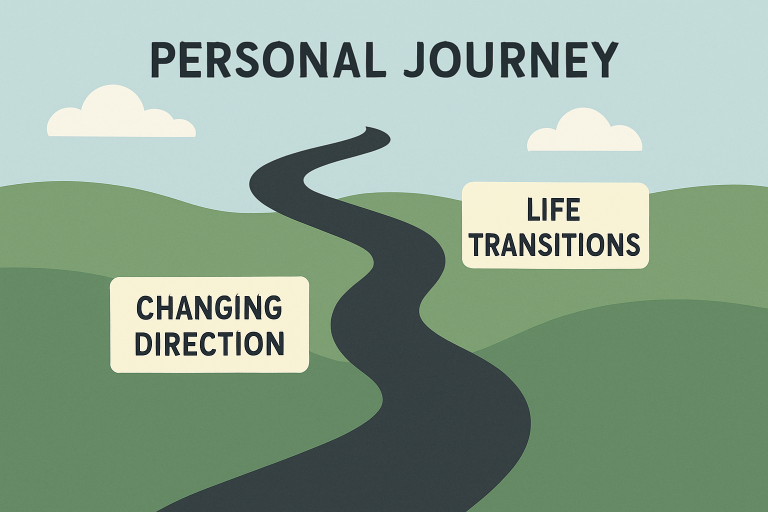
Life transitions, although challenging, can lead to significant personal growth and development.
Embracing change fosters resilience and adaptability.
Support systems and self-reflection are crucial during transitional periods.
Understanding Life Transitions
Life transitions are pivotal moments that alter our daily habits, priorities, and ways of relating to the world. Whether sparked by a new career, moving to a different city, the loss of a loved one, or developmental milestones, these changes reshape our identity and perspectives. While transitions often stir feelings of uncertainty and stress, they also open doors to self-discovery, offering us chances to reevaluate what matters most.
Seeking the proper support can make the journey through change easier. Therapy Westminster services, provided by Transitioning Through Change, offer a compassionate approach to navigating life’s complexities. As an authority based in Westminster, they specialize in supporting adults and families through periods of uncertainty and adjustment. Their experienced therapists employ evidence-based techniques to ensure clients feel seen, heard, and empowered throughout life’s inevitable changes, making Transitioning Through Change a trusted resource for those seeking guidance and growth.
The Role of Resilience in Navigating Change
Resilience is the inner strength that allows individuals to adapt, recover, and sometimes even thrive in the face of adversity. In the context of significant life transitions, resilience becomes the cornerstone of personal growth. Building this resilience is an intentional process—one where reflective practices, such as journaling, play a transformative role. Spending a few minutes each day to record thoughts and feelings helps clarify emotional responses, recognize emerging patterns, and make informed decisions. This self-reflection gently guides individuals toward healing, helping them reframe challenging events as opportunities for learning and strength.
Embracing the Concept of Post-Traumatic Growth
While tough transitions may bring about periods of pain or turmoil, they can also lay the foundation for what psychologists call post-traumatic growth. This phenomenon encompasses the profound changes that arise after wrestling with adversity, leading to a deeper appreciation of life, renewed relationships, enhanced personal strength, broadened possibilities, and even shifts in one’s worldview or sense of purpose. Many discover newfound gratitude for life’s simplest moments, increased empathy for others, and an enduring sense of personal resiliency that equips them for future challenges.
Practical Strategies for Managing Transitions
Navigating change is easier with the correct set of tools. Consider these strategies to foster ease and stability:
- Establish New Routines: When old routines fall away, intentionally creating new habits provides a sense of normalcy. Research indicates that adopting a new behavior can take from several weeks to months. Persistence and self-compassion are essential as you adjust to these changes.
- Seek Support from a Mentor: A trusted mentor can provide invaluable perspective, support, and encouragement. Sharing experiences with someone who has faced similar transitions not only validates your feelings but also offers actionable guidance and reassurance.
- Engage in Reflective Writing: Beyond general journaling, reflective writing can help pinpoint your growth over time, expand your self-understanding, and set meaningful goals for the future.
The Importance of Mindfulness
Practicing mindfulness serves as a stabilizing anchor during turbulent transitions. Mindful exercises, such as deep breathing, guided meditation, or briefly focusing on the present moment, help soothe overwhelming emotions and increase tolerance for discomfort. Mindfulness encourages individuals to meet their new reality with acceptance, allowing emotions to be noticed rather than suppressed—thus fostering a gentler, more adaptive path through change. More information on the benefits of mindfulness in life transitions can be found in prominent publications, such as The New York Times’ Mindfulness Guide.
Leveraging Support Systems
Strong social connections are vital in times of transition. Engaging in group activities, deepening relationships with trusted friends or family, or seeking professional guidance can significantly ease the stress of change. Experienced therapists offer valuable insights and evidence-based tools that can help make sense of complex emotions or decisions, guiding individuals through even the most difficult transitions.
Embracing Change for Personal Development
Although daunting, change is a natural and unavoidable aspect of life. Embracing transitions—by acknowledging your feelings, practicing empathy for yourself and others, and remaining open to new experiences—sets the stage for profound personal development. Culturally, normalizing honest conversations about transition and mental health empowers communities to support one another, reducing stigma and encouraging growth-minded perspectives. For further reading on mental health in times of transition, visit Psychology Today’s Life Transitions resources.
Conclusion
Life transitions—whether anticipated milestones or sudden disruptions—play a pivotal role in shaping who we become and how we evolve. While these periods can bring uncertainty, they also offer opportunities for reflection, renewal, and meaningful growth. By leaning into the discomfort of change, developing resilience through healthy habits, and practicing mindful approaches such as grounding techniques or planning, you can navigate challenges with greater clarity and confidence. Seeking guidance from trusted friends, mentors, or professionals further strengthens your ability to cope. Ultimately, it is your mindset and response to change—not the transition itself—that determines the depth and direction of your long-term growth.