
HEALTH
How Leadership Skills Shape Modern Healthcare Management

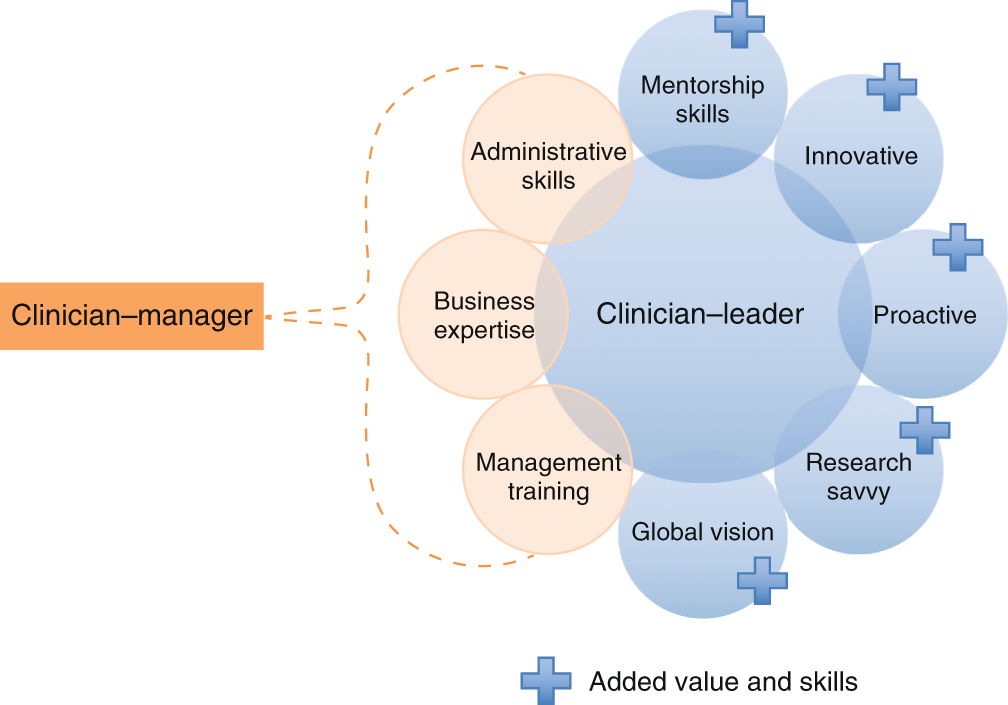
Key Takeaways
- Leadership has a direct impact on patient outcomes and organizational efficiency.
- Emotional intelligence and adaptability are critical traits for healthcare leaders.
- Continuous learning and technological proficiency are necessary to stay ahead in the field.
Effective leadership stands at the heart of successful healthcare organizations. As healthcare systems evolve to accommodate technological advancements, increased patient expectations, and regulatory complexities, the importance of strong, adaptive leadership has never been more pronounced. Healthcare leaders shape not only the direction of their organizations but also the well-being of patients and the satisfaction of staff. Professionals seeking to enhance their impact and decision-making capabilities may consider pursuing an MBA in healthcare management. Equipping oneself with specialized leadership skills can improve the ability to guide teams and shape modern healthcare environments for the better.
Strong leadership drives operations that prioritize both quality patient care and organizational growth. In healthcare, leaders must combine compassion with evidence-based decision-making, ensuring that services are both patient-centered and efficient and sustainable. Amid changing health regulations, the adoption of digital health tools, and new patient care models, leadership agility becomes pivotal. By staying ahead of these trends, effective leaders pave the way for their organizations to not only survive but thrive in an ever-changing landscape.
Healthcare managers are responsible for facilitating collaboration across diverse teams, including frontline clinicians, administrators, and technology specialists. In this environment, leadership ability can mean the difference between fragmented care and successful health outcomes. A deep understanding of how to lead through change, foster innovation, and nurture talent is essential for today’s healthcare executives.
The consequences of leadership gaps in healthcare can be significant. Poor communication or failure to adapt to new technologies can impede patient safety, staff satisfaction, and organizational agility. Conversely, skilled leaders who cultivate a positive work culture and invest in their professional development are better positioned to face current and future healthcare challenges.
Impact on Patient Outcomes
Leadership’s influence over patient outcomes is tangible. Hospitals and healthcare organizations with engaged, visible leaders see fewer medical errors and higher patient satisfaction scores. Leaders who involve staff in decision-making and maintain open channels for reporting concerns empower teams to uphold best practices in clinical care. Research published in the BMC Medical Education Journal confirms that effective leadership is correlated with favorable patient experiences and a more consistent application of clinical guidelines. Clear, purposeful direction from leadership is essential to delivering quality healthcare.
Emotional Intelligence in Leadership
Emotional intelligence (EI) underpins successful leadership. Healthcare leaders with high EI build trust, foster resilience, and respond skillfully to team stress and patient needs. By practicing empathy and active listening, they resolve conflicts constructively and motivate staff during periods of intense pressure. According to an article in the American Journal of Critical Care, investing in emotionally intelligent leadership has become central to managing burnout and enhancing overall team well-being across healthcare organizations.
Adaptability and Innovation
Healthcare’s fast pace requires leaders who are flexible and willing to innovate. Whether adopting telehealth solutions, implementing new electronic health record systems, or integrating artificial intelligence into diagnostics, leaders must be ready to guide teams through uncertainty. A 2024 scoping review from BMC Medical Education underscores that adaptability is essential to leadership success in the future of healthcare. Those who foster a culture of experimentation and continuous improvement lead organizations that are better equipped to manage disruption and change.
Technological Proficiency
The digital transformation of healthcare requires leaders to possess a strong grasp of technology. Understanding data analytics, interoperability, and cybersecurity enables leaders to make informed decisions about technology investments and to safeguard patient information. An article from Managed Healthcare Executive outlines how healthcare leaders are expected to stay informed about advancements such as AI, mobile health, and data-driven care strategies. Those who champion technological literacy help their organizations achieve operational efficiency while elevating standards of care.
Continuous Learning
Sustained success in healthcare leadership hinges on a commitment to lifelong learning. Policies, treatment protocols, and digital tools evolve rapidly, and leaders must be proactive in their own education. Engaging in seminars, formal education programs, or peer learning networks ensures that leaders remain relevant, effective, and ready to steer their organizations through ongoing change. The Center for Creative Leadership and Youngstown State University both emphasize the importance of continuous development and reflective practice in fostering leadership resilience and readiness for future healthcare challenges.
Communication and Collaboration
Successful healthcare management depends on clear communication and strong collaboration. Leaders must facilitate partnerships across departments, ensure transparency, and encourage multidisciplinary teamwork. When communication channels are optimized, patient care becomes more coordinated and errors are reduced. Becker’s Hospital Review describes collaboration as one of the ten most vital skills for healthcare leaders seeking to “future-proof” their organizations in a complex and interconnected care environment.
Fostering a Positive Work Culture
Cultivating a positive work environment is a hallmark of effective leadership. Healthcare teams facing high stress and staffing shortages need strong leaders who value inclusivity, feedback, and employee health. Building a culture of support enhances retention, reduces burnout, and motivates staff to deliver exceptional care. As discussed in Forbes, focusing on employees’ health and well-being will continue to differentiate successful healthcare leaders as the industry matures.
Conclusion
Leadership skills are fundamental to thriving in modern healthcare management. Leaders who embrace emotional intelligence, adaptability, technological proficiency, continuous learning, and strong communication cultivate positive, high-performing organizations. As the demands of healthcare evolve, leaders must focus on empowering, innovating, and prioritizing the well-being of both patients and professionals to create resilient, future-ready systems of care.