
Business
How Can You Safely Clean Your Small Round Ice Cube Maker?

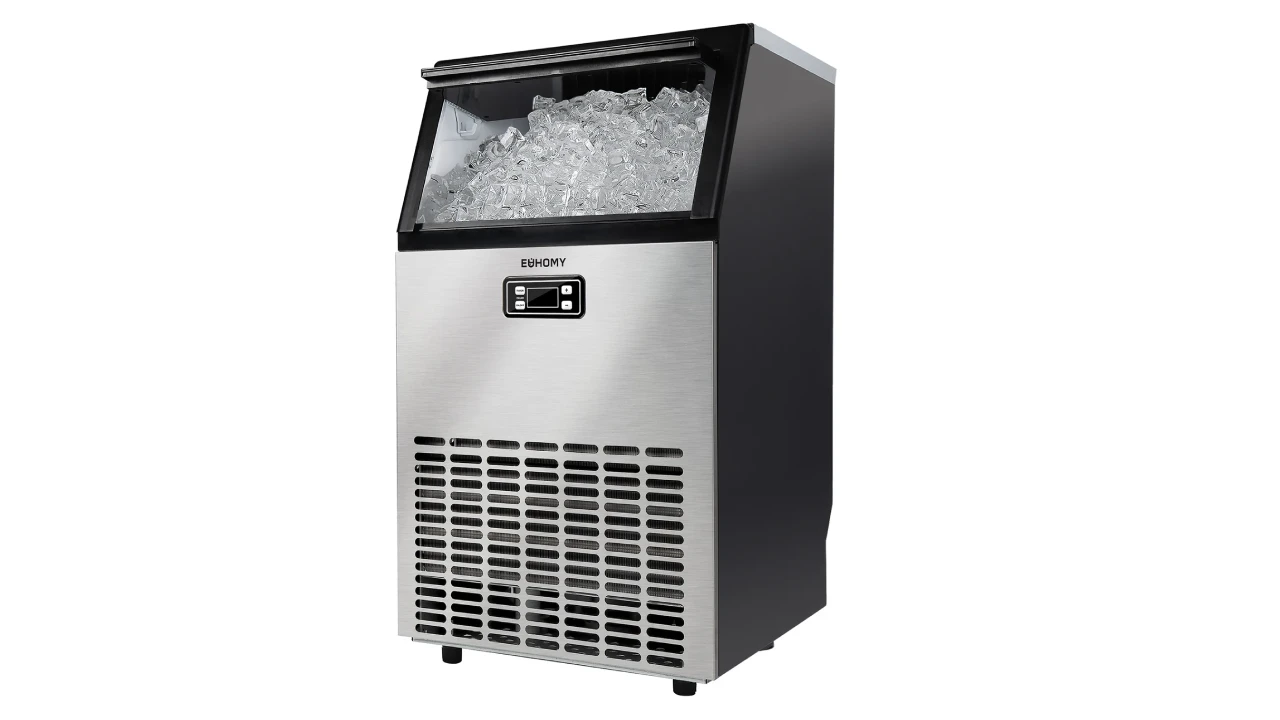
There’s nothing quite like dropping perfectly round ice cubes into a cold glass of lemonade on a hot summer afternoon — especially when the whole family is gathered around the table. But have you ever stopped to think about what might be lurking inside the machine that makes those satisfying little spheres? Small round ice cube makers, while wonderfully convenient, can quickly become breeding grounds for mold, bacteria, and stubborn mineral deposits if left uncleaned. That slimy pink residue along the water line or the slightly off taste in your ice isn’t just unpleasant — it can pose real health concerns for your household, particularly for young children and elderly family members.
The good news is that keeping your ice maker fresh and sanitary doesn’t require professional help or harsh industrial chemicals. With the right approach, you can eliminate buildup safely and extend the life of your appliance at the same time. In this guide, we’ll walk you through effective cleaning methods using two trusted solutions — a dedicated ice maker cleaner and organic citric acid — along with step-by-step instructions, ongoing maintenance tips, and common mistakes to steer clear of so your family can enjoy crystal-clear, healthy ice every single day.
Why Regular Ice Maker Maintenance is Essential for Your Family
When ice sits in a neglected machine, it doesn’t just lose its appeal — it can become a genuine health hazard. Mold spores, bacteria like E. coli, and biofilm thrive in the dark, moist interior of an uncleaned ice maker, and these contaminants transfer directly into every glass your family drinks from. Children, whose immune systems are still developing, and elderly relatives are especially vulnerable to waterborne pathogens that hide in something as seemingly harmless as a handful of ice cubes.
Beyond health concerns, dirty machines produce ice that tastes stale, musty, or slightly metallic — a telltale sign that mineral scale and organic residue have taken hold inside the water reservoir and freezing components. Over time, calcium and lime deposits restrict water flow, force the compressor to work harder, and shorten the lifespan of your small round ice cube maker significantly. What starts as a minor film can eventually lead to mechanical failure and a costly replacement.
Routine cleaning protects both your family’s well-being and your investment. A well-maintained machine operates more efficiently, produces better-tasting ice, and runs quieter. For households that rely on their ice maker daily — whether for smoothies, drinks, or packing lunch coolers — spending a few minutes on regular upkeep is one of the simplest ways to safeguard the health of everyone at the table while keeping the appliance running smoothly for years to come.

Exploring Safe Cleaning Solutions: Dedicated Ice Maker Cleaner and Organic Citric Acid
Choosing the right cleaning solution matters just as much as cleaning itself — especially when the end product goes directly into your family’s drinks. Not every household cleaner is safe for appliances that produce consumable ice, which is why purpose-built and food-safe options should always be your first choice. Two solutions stand out for their effectiveness and safety: a dedicated ice maker cleaner, such as the one offered by Euhomy, which is formulated specifically for ice-making appliances, and organic citric acid, a naturally derived alternative that appeals to eco-conscious families. Both tackle the core problems — mineral scale, bacterial growth, and residue buildup — without introducing toxic chemicals into your machine or your ice.
Dedicated Ice Maker Cleaner: A Powerful Cleansing Specialist
A purpose-built ice maker cleaner is formulated specifically for the internal components of countertop ice makers, making it a reliable match for your small round ice cube maker. Its food-contact-safe composition means you won’t have to worry about harmful residues lingering on surfaces that touch your drinking water. The solution works by breaking down calcium deposits, dissolving biofilm, and eliminating odor-causing bacteria in a single cleaning cycle. For busy families, the appeal is straightforward: you don’t need to measure complicated ratios or scrub aggressively. The cleaner is designed for simple dilution and circulation through the machine’s water system, delivering a thorough cleanse with minimal hands-on effort.
Organic Citric Acid: A Natural and Eco-Friendly Alternative
For households that prefer to avoid commercial cleaning products altogether, organic citric acid offers an excellent plant-derived solution. Extracted naturally from citrus fruits, it is a proven descaler that dissolves hard water deposits and inhibits bacterial growth without leaving synthetic residues behind. Citric acid is biodegradable, non-toxic, and gentle enough that it won’t corrode the stainless steel or plastic components inside your ice maker. It’s also widely available and inexpensive, making it a practical pantry staple for families who want a chemical-free cleaning routine they can feel good about using around kids and pets.
Step-by-Step Guide to Powerful Cleansing Your Small Round Ice Cube Maker
A thorough cleaning doesn’t have to be complicated. By following a clear process from start to finish, you can restore your small round ice cube maker to like-new condition in under an hour. Whether you choose a dedicated ice maker cleaner or organic citric acid, the workflow follows the same general arc: prepare, clean, rinse, and dry. Here’s exactly how to do it.
Preparation: Getting Your Ice Maker Ready for Cleaning
Start by unplugging the machine from the power outlet — never clean any appliance while it’s still connected to electricity. Remove the ice basket and discard any remaining ice, then drain all standing water from the reservoir using the drain plug typically located on the bottom or side of the unit. Take out any removable parts such as the ice scoop, basket, and water tray, and set them aside for individual cleaning. Wipe down the interior with a damp cloth to remove loose debris before applying any cleaning solution.
Method 1: Using a Dedicated Ice Maker Cleaner for Thorough Cleaning
Add the recommended amount of your ice maker cleaner to a full reservoir of warm water, following the dilution ratio on the product label. Plug the machine back in and run a complete ice-making cycle, allowing the solution to circulate through the internal water lines and freezing components. Once the cycle finishes, discard the ice produced — this batch is strictly for cleaning purposes. Run two to three additional cycles with fresh water only, discarding each batch, to flush out every trace of the cleaning solution before making ice for consumption.
Method 2: Cleaning with Organic Citric Acid Solution
Dissolve one to two tablespoons of organic citric acid in a full reservoir of warm water, stirring until the powder is completely dissolved. Pour the mixture into the reservoir and run one full ice-making cycle to push the acidic solution through the system, targeting mineral scale and bacterial buildup along the way. Discard the ice, then drain the reservoir completely. Refill with plain water and run at least two rinse cycles, discarding the ice each time, until no citrus taste or odor remains in the produced ice.
Finalizing the Process: Drying and Reassembly
After the final rinse cycle, unplug the machine again and drain all remaining water. Use a clean, lint-free cloth to wipe down the interior surfaces, paying close attention to corners and the area around the ice-making pins where moisture tends to collect. Allow the unit to air dry with the lid open for at least thirty minutes to prevent trapped moisture from encouraging new mold growth. Meanwhile, wash the removable parts you set aside earlier with warm soapy water, rinse them thoroughly, and dry them completely before placing them back into the machine. Once everything is reassembled and dry, your small round ice cube maker is ready to produce fresh, clean ice for your family.
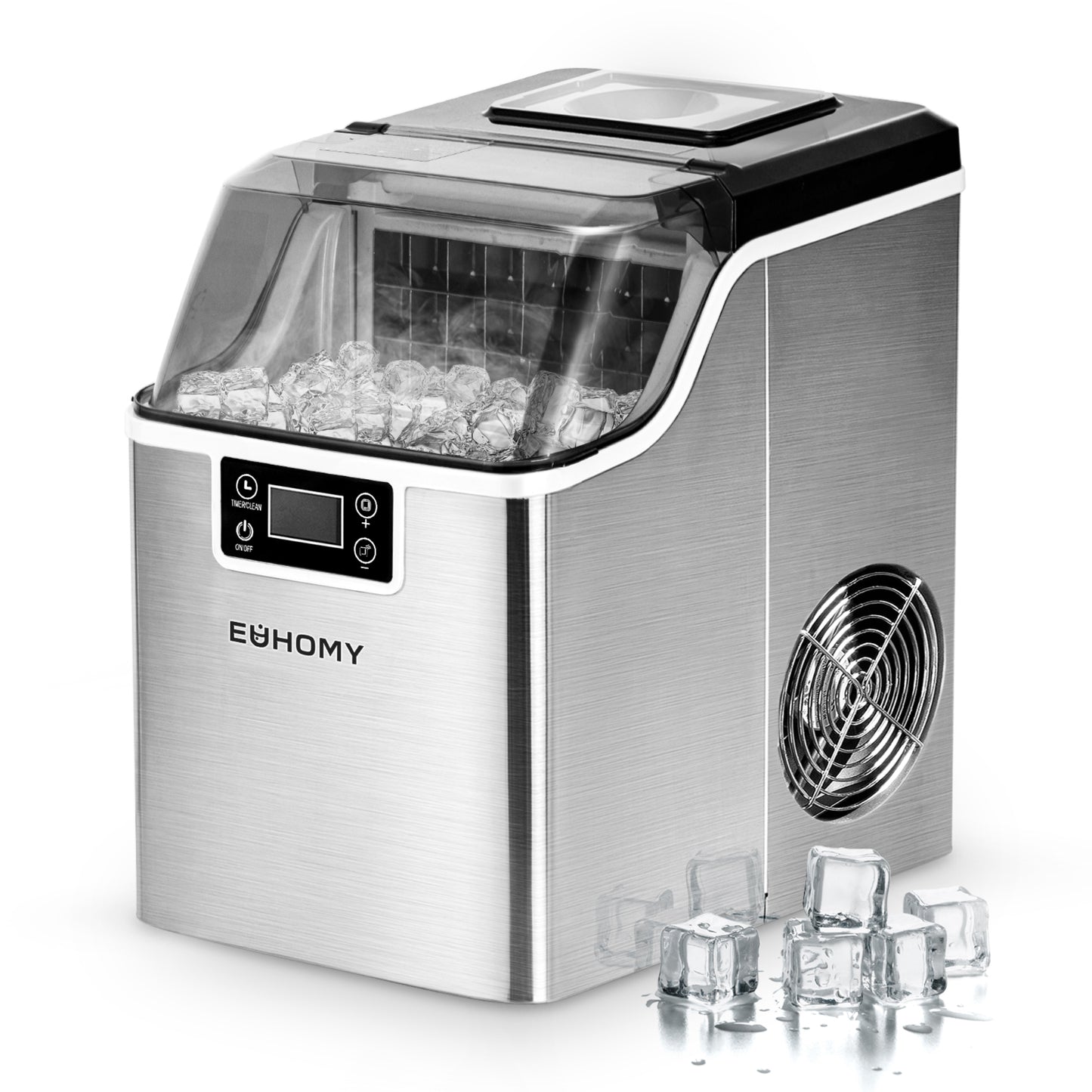
Easy Ice Maker Maintenance Tips for Busy Families
You don’t need to set aside an entire afternoon to keep your small round ice cube maker in top shape — a few simple habits woven into your weekly routine can make all the difference. Start by establishing a regular cleaning schedule: a light wipe-down of the interior every two weeks and a full deep clean with your preferred food-safe cleaner or citric acid once a month will prevent most buildup before it becomes a problem. If your household uses the machine daily, consider bumping the deep clean to every three weeks.
Switching to filtered water is one of the easiest upgrades you can make. Tap water carries minerals that accelerate scale formation inside the reservoir and on the freezing pins, so filtering it beforehand dramatically reduces deposits and keeps your ice tasting fresh longer. Get into the habit of doing a quick visual inspection each time you refill the reservoir — look for any discoloration, sliminess around the water line, or small leaks near the drain plug that could signal a worn seal. When the machine won’t be used for more than a couple of days, drain all the water, wipe the interior dry, and leave the lid slightly open to promote airflow and discourage mold. Proper storage during vacations or seasonal breaks is equally important: clean the unit thoroughly, dry it completely, and store it in a cool, dry place. These small, consistent steps save time in the long run and ensure your family always has access to safe, great-tasting ice without the stress of a major cleaning overhaul.
Common Mistakes to Avoid in Ice Maker Maintenance
Even well-intentioned cleaning efforts can backfire if you fall into a few common traps. One of the most frequent errors is reaching for harsh household chemicals — bleach, abrasive powders, or all-purpose kitchen sprays — that were never designed for appliances producing consumable ice. These products can corrode internal components, leave toxic residues on food-contact surfaces, and void your manufacturer’s warranty. Equally problematic is rushing through the rinse stage. Skipping those final two or three flush cycles might save a few minutes, but it means chemical traces end up in your family’s drinks, defeating the entire purpose of cleaning in the first place.
Another mistake is treating deep cleaning as a once-a-year event. Waiting until visible mold or a foul smell appears means contamination has already been present for weeks, silently affecting every batch of ice your household consumed. Procrastination also allows mineral scale to harden into stubborn deposits that are far more difficult to remove. Finally, ignoring the owner’s manual is surprisingly common. Each small round ice cube maker has specific guidance on compatible cleaning agents, recommended maintenance intervals, and parts that should or shouldn’t be submerged in water. Overlooking these details risks damaging seals, sensors, or coatings that keep the machine functioning properly. Avoiding these mistakes is straightforward — stick to food-safe cleaners, rinse thoroughly, clean on schedule, and follow the manufacturer’s instructions.
Keep Your Ice Maker Clean for Healthier, Better-Tasting Ice
Keeping your small round ice cube maker clean isn’t just about aesthetics — it’s a straightforward act of care for your family’s health and your appliance’s longevity. As we’ve covered, mold, bacteria, and mineral scale build up quickly in the warm, moist environment inside these machines, and the consequences range from off-tasting ice to genuine health risks for vulnerable family members. The solution doesn’t have to be complicated or time-consuming. Whether you choose a purpose-built cleaner from a trusted brand like Euhomy or organic citric acid for a natural, eco-friendly approach, both options deliver a thorough, food-safe clean that restores your machine and protects your household.
The step-by-step process — prepare, clean, rinse, and dry — takes less than an hour and requires no special skills. Pair that with simple ongoing habits like using filtered water, doing quick visual inspections, and sticking to a monthly deep-cleaning schedule, and you’ll rarely face stubborn buildup or unpleasant surprises. Avoid the common pitfalls of harsh chemicals, rushed rinsing, and neglected maintenance, and your ice maker will reward you with years of reliable performance. Start today — give your machine the cleaning it deserves, and enjoy the peace of mind that comes with knowing every ice cube your family reaches for is as clean and refreshing as it should be.
University of Houston graduate with 5 years of blogging experience, excelling in content strategy, SEO, and audience engagement. Connect with me on LinkedIn.