
Latest News
How Art Galleries Shape Modern Communities

Key Takeaways
- Art galleries serve as cultural hubs, fostering community engagement and dialogue.
- They contribute to local economies by attracting tourism and supporting local businesses.
- Galleries serve as platforms for emerging artists, promoting diversity and innovation within the art scene.
- Collaborative and adaptive gallery models are reshaping urban spaces and community interactions.
Art Galleries as Cultural Hubs
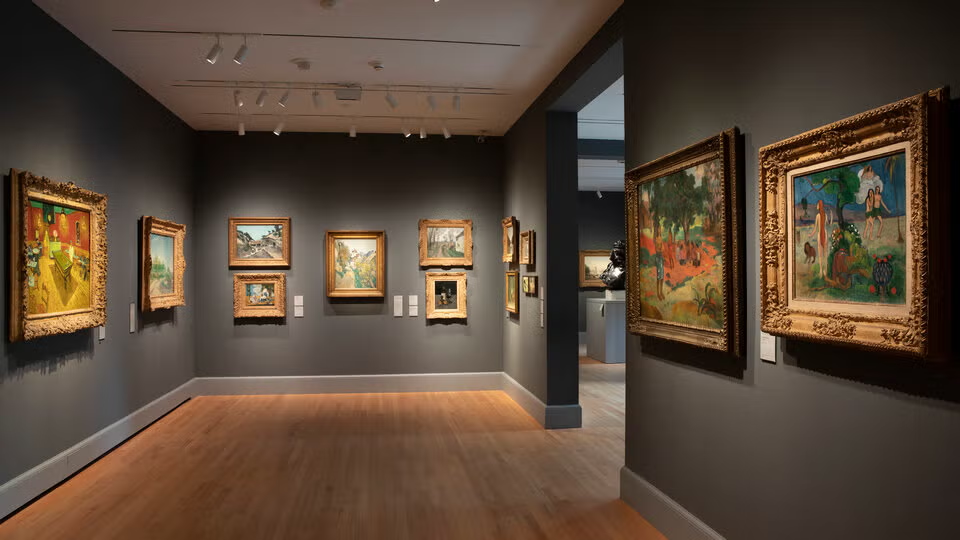
Art galleries stand as more than just venues for admirers of painting and sculpture—their importance lies in their role as cultural catalysts within the neighborhoods and cities they inhabit. In thriving art scenes, an art gallery New York City brings together artists, curators, collectors, and everyday visitors in a mosaic of diverse voices and perspectives. This gathering fosters conversations that surpass artistic technique, engaging communities in debates about identity, politics, and shared values.
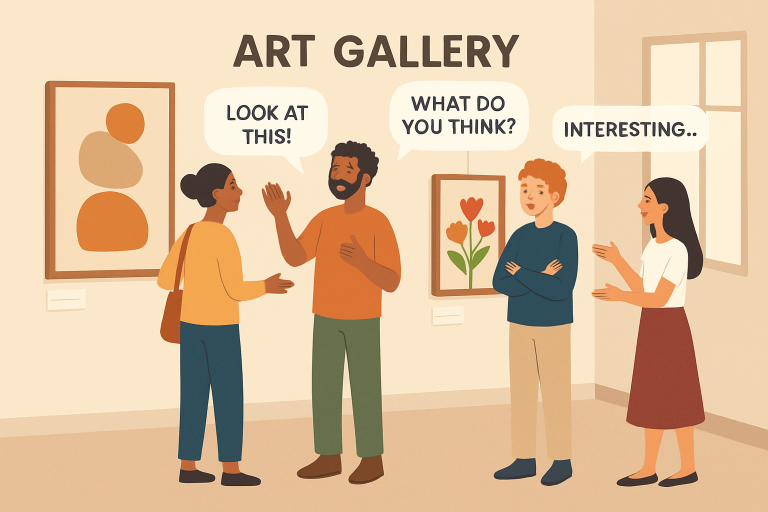
Programming and community events in galleries create dynamic spaces that connect artists and audiences, enhancing accessibility to creativity. These interactions strengthen community ties and cultural exploration, and partnerships with local organizations broaden the arts’ influence, promoting inclusivity and civic pride. Galleries also contribute to local economies by attracting visitors, supporting adjacent businesses, and fostering job creation. Cultural districts benefit through new business development and increased investment, with local governments recognizing galleries as crucial for economic growth.
Supporting Emerging Artists
At the heart of any dynamic art community is a commitment to supporting new talent. Galleries provide emerging artists with opportunities to reach broader audiences, showcase their work, and establish lasting relationships with collectors and peers. Many forward-thinking galleries are going beyond traditional models, emphasizing inclusivity and narrative over commercial returns. This approach diversifies the content shown in mainstream art spaces and brings fresh, often underrepresented voices to the forefront. Artist residencies, mentorship programs, and open-call exhibitions are becoming standard practices in the art world. Such initiatives not only help discover promising talent but also create channels through which these artists can access resources, exhibition space, and critical feedback. By amplifying a variety of viewpoints and encouraging experimentation, galleries become engines for innovation and diversity across the contemporary art landscape.
Collaborative and Adaptive Gallery Models
The art world is adapting rapidly in response to shifting financial landscapes and evolving audience expectations. Collaborative gallery models—including shared spaces, pop-up exhibits, and gallery collectives—enable organizations to share costs and resources while delivering more enriching programming to the public. This adaptive approach enables smaller or experimental venues to survive and thrive even in high-rent urban environments where competition for attention is fierce. Such partnership-driven operations open the door to creative risk-taking. They enable a fluid approach to curating, supporting interdisciplinary projects, and providing platforms for collaborative exhibitions that blend visual art, performance, design, and digital media. Ultimately, these adaptive models not only benefit the galleries but also continually evolve the offerings available to the public, keeping art scenes fresh and engaging.
Community Engagement and Inclusivity
Prioritizing community engagement, modern galleries are committed to making art accessible, relevant, and inclusive. This approach acknowledges that the value of art lies not only in its aesthetic appeal but also in its capacity to connect, unite, and offer new perspectives. Initiatives such as community art days, family programming, and bilingual exhibition materials help break down barriers, ensuring all community members can participate and be represented. Programs that invite both established and local artists—from across cultures and backgrounds—to collaborate on exhibits foster meaningful dialogue and learning opportunities for visitors. In many urban areas, such initiatives have played a significant role in nurturing a greater sense of belonging and cultural literacy.
Digital Integration and Accessibility
The rise of digital technology has revolutionized art gallery operations and outreach. Online exhibitions, 3D virtual tours, and livestreamed artist talks mean anyone with an internet connection can access world-class art, regardless of geographic limitations. Social media platforms and digital archives further amplify this reach, breaking down access barriers and welcoming broader demographics to participate in art appreciation and education. This digital transformation has accelerated in recent years, making gallery resources and experiences more democratized. Virtual programming enables international audiences to engage with exhibitions in real-time, facilitating global conversations and connections among art lovers worldwide.
Sustainability in Gallery Practices
Sustainability is increasingly central to the operation and mission of contemporary galleries. Many are opting for eco-friendly materials in installations and adopting energy-efficient lighting and climate control systems. Effective waste reduction strategies—such as the use of reusable displays and digital catalogues—reduce environmental impact and invite patrons to consider the environmental implications of cultural production.
By modeling these practices, galleries educate their communities about sustainable living and use their influential platforms to advocate for broader environmental consciousness. These steps not only safeguard natural resources but also align cultural institutions with growing societal concerns over climate change and responsibility.
Conclusion
Art galleries continue to shape the physical, cultural, and economic landscapes of communities worldwide. Through their roles as cultural hubs, economic drivers, incubators for new talent, and champions of inclusivity, adaptability, and sustainability, galleries remain indispensable to the vibrancy and well-being of modern cities. As these institutions evolve, they ensure art remains deeply embedded in the everyday lives and identities of the communities they serve.