
NEWS
Holistic Strategies for Addiction Recovery: Integrating Mind, Body, and Spirit


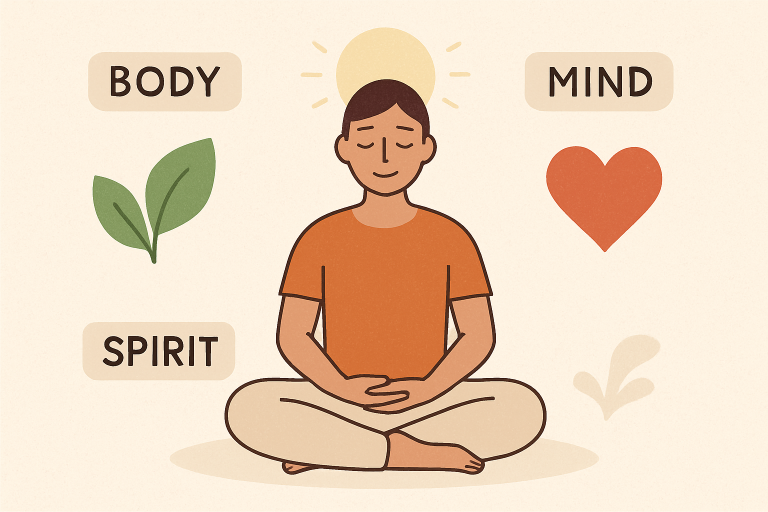
Overcoming addiction is a transformative process that extends far beyond simply abstaining from substances. Sustainable recovery requires addressing the mind, body, and spirit through a variety of methods that empower individuals to reconnect with their true selves. This holistic approach is at the core of many transforming recovery programs, offering a supportive framework for lasting change and well-being. To explore holistic addiction treatment options and how they can shape your recovery journey, find out more now.
Holistic care bridges the gap between conventional therapies and integrative practices, offering personalized pathways to healing. By integrating techniques such as mindfulness, nutritional therapy, creative expression, and alternative medicine, individuals can experience more comprehensive, multifaceted support. These holistic strategies not only address withdrawal and cravings but also help rebuild emotional and spiritual health, which are equally crucial for long-term recovery.
Mindfulness and Meditation
One of the most potent foundations of holistic addiction recovery is mindfulness. Mindfulness practices, like meditation, help individuals become aware of their cravings, triggers, and emotions without judgment. This enhanced self-awareness empowers people in recovery to respond rather than react to challenging situations, dramatically reducing the risk of relapse. Meditation often reduces stress, enhances focus, and cultivates emotional resilience, providing lasting tools for personal growth. Research published in Psychology Today underscores the positive impact of mindfulness-based therapies on addiction relapse rates and mental health.
Incorporating mindfulness into daily routines can create a sense of stability and calm, reinforcing other recovery strategies. Over time, these practices foster a deeper connection with oneself, promoting long-term sobriety and overall well-being.
Physical Exercise and Yoga
Regular physical activity, ranging from aerobic workouts to gentle yoga, plays a crucial role in restoring the body during addiction recovery. According to WebMD, exercise stimulates the release of endorphins, which are natural chemicals that promote feelings of pleasure and well-being. This positive physiological shift can be especially helpful for those struggling with depression and anxiety related to withdrawal. Yoga, specifically, merges movement with breathwork and mindfulness, teaching individuals how to remain present and cultivate inner peace while navigating the ups and downs of recovery.
Nutritional Therapy
Nutritional rehabilitation is often overlooked in addiction recovery, yet it plays a vital role in healing the body and brain. Substance abuse commonly depletes essential vitamins and minerals, leaving individuals malnourished and more susceptible to mood swings, fatigue, and illness. Nutritional therapy focuses on restoring balance through nutrient-dense foods and customized supplementation, which helps repair organ damage, boost energy levels, and stabilize emotional well-being. Working with a nutritionist can provide ongoing guidance for healthy habits that reinforce sobriety over the long term.
Acupuncture and Acupressure
Acupuncture and acupressure, rooted in Traditional Chinese Medicine, are gaining traction as complementary therapies for addiction. By stimulating specific points on the body, these practices are believed to rebalance energy, reduce anxiety, and suppress cravings. Some evidence suggests that acupuncture can help regulate neurotransmitters in the brain, diminishing the urge for substances and enhancing mood stability. It’s often used to ease acute withdrawal symptoms in early recovery and as a relaxation technique throughout the healing process.
Art and Music Therapy
Creative therapies, such as art and music therapy, offer alternative ways to process complex emotions that may be difficult to articulate verbally. Through drawing, painting, playing instruments, or songwriting, individuals can explore trauma, grief, and hope in a safe, non-judgmental space. These forms of expression have been shown to boost self-esteem, reduce anxiety, and facilitate meaningful connections with others—critical factors for maintaining recovery.
Herbal Therapy
Herbal remedies have been a cornerstone of healing in traditional medicine for centuries and are increasingly incorporated into modern recovery programs. Specific herbs—such as milk thistle for liver support or kava for anxiety relief—may be incorporated into holistic treatment plans. While herbal therapies can support detoxification and ease withdrawal symptoms, it’s important to consult with healthcare professionals to ensure safety and avoid adverse interactions with prescribed medications or other aspects of medical detoxification.
Hypnosis
Hypnosis, when practiced by a qualified therapist, can be a valuable tool for addressing the subconscious patterns that fuel addiction. In a state of deep relaxation, individuals are more open to positive suggestions that can strengthen healthy coping skills, increase motivation for sobriety, and transform limiting beliefs. Hypnotherapy is often used alongside cognitive-behavioral therapy to reinforce recovery goals, reduce cravings, and boost self-confidence.
Conclusion
Holistic approaches to addiction recovery are designed to empower individuals by nurturing the mind, restoring the body, and rekindling the spirit. Therapies such as mindfulness, exercise, nutrition, creative arts, and alternative medicine provide avenues for healing that nurture the entire person—not just the addiction. Integrating these diverse strategies fosters resilience, promotes emotional well-being, and increases the likelihood of a lasting recovery. Embracing a holistic mindset opens the door to a more fulfilling and balanced life, providing hope and strength for those on the path to healing.