
Latest News
Healthy Trees, Healthy Communities: Best Practices for Urban Tree Care

Key Takeaways
- Urban trees provide essential benefits, including improved air quality, reduced heat island effects, and enhanced mental health.
- Proper planting, watering, mulching, and pruning are crucial for tree health.
- Community involvement and education play significant roles in successful urban forestry initiatives.
Urban trees are crucial to the well-being of modern cities, acting as living infrastructure that supports both ecological and human health. Their role extends far beyond aesthetics, contributing to improved air quality, better temperature control, and better public mental health in neighborhoods of all sizes. The foundation of these benefits lies in proper care and community commitment. Organizations such as Fielding Tree Care exemplify how professional guidance coupled with community action can nurture resilient urban forests. As cities expand and climate concerns mount, urban tree care is more important than ever. Ensuring that trees thrive in urban environments requires not only technical know-how but also community engagement and awareness. Successful urban forestry integrates planning, maintenance, and education, producing measurable gains for city residents and the ecosystem alike. Building a healthier community through trees means every resident has a role in supporting the local canopy. When residents, professionals, and city governments collaborate, urban trees flourish and deliver greater value long-term. Knowing how to plant, water, and maintain trees can be the difference between an asset that enriches a neighborhood for decades or one that quickly declines. As communities worldwide increasingly prioritize sustainability and green infrastructure, the principles of proper urban tree care have become universally relevant. To understand the depth of their impact, explore additional research from reputable sources on urban greening strategies, such as the New York City Urban Forest Plan.
Benefits of Urban Trees
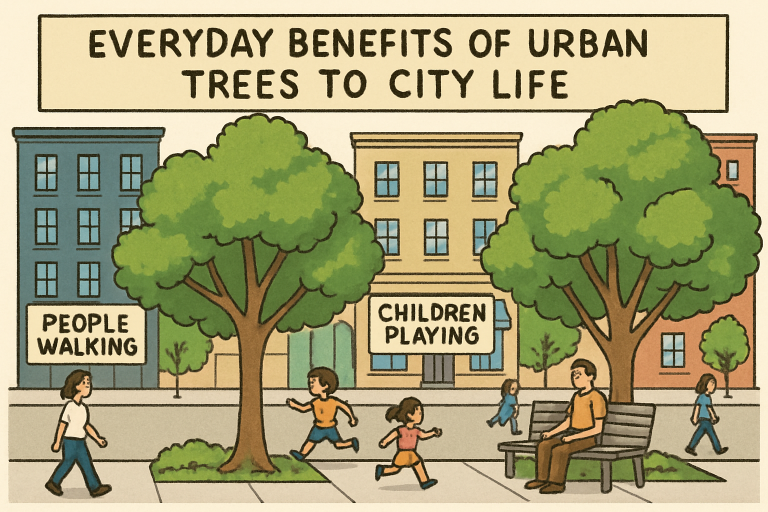
Urban trees deliver critical environmental and social benefits that support healthier, safer cities. Their contributions include:
- Improved Air Quality: Trees act as natural filters, removing particulate matter and gases from the air, helping reduce asthma and other respiratory diseases.
- Temperature Regulation: Trees can lower temperatures in densely developed areas, offering much-needed shade and helping to alleviate risks associated with urban heat waves.
- Mental Health Boost: Proximity to green spaces and tree-lined streets correlates with reduced stress, improved mood, and lower anxiety rates in urban populations.
Best Practices for Urban Tree Care
1. Proper Planting Techniques
The long-term vitality of an urban tree begins with its planting. Urban sites pose challenges such as limited space, compacted soils, and infrastructure conflicts. Choosing an appropriate location means accounting for future root spread and crown growth to minimize disputes with sidewalks, utilities, and buildings. Select species native to your area or those deeply adapted to local weather and soil types, as this leads to a higher survival rate and lower maintenance needs.
2. Watering and Irrigation
Consistent, appropriate watering is critical, particularly during the first few years after planting. Young trees, with underdeveloped root systems, require at least 10 gallons of water per week during dry spells. Deep watering encourages roots to grow downward, anchoring the tree and allowing it to access moisture that shallow roots cannot. Mature trees usually need supplemental watering during unusual heat or drought, with attention to soil moisture several inches below ground.
3. Mulching for Root Protection
A proper mulch layer helps retain moisture and improve soil health, which is essential in urban environments where soils are often compacted or low in nutrients. Spread a 2-3-inch layer of wood chips or shredded bark in a broad circle around the base, keeping the mulch a few inches from the trunk. This approach moderates soil temperature, suppresses weed competition, and prevents excess moisture buildup that can cause trunk rot.
4. Pruning and Maintenance
Consistent pruning encourages strong structure and prevents the onset of pests and diseases. Remove damaged, diseased, or dead branches as soon as they are identified. The best time for general pruning is late winter to early spring, when most trees are dormant, and healing is rapid. Ongoing monitoring enables early detection of common urban issues such as girdling roots, compacted soils, or pest infestations.
Community Involvement and Education
Thriving urban forests are a product of engaged residents and informed caretakers. Community tree-planting events, led by local nonprofits or municipal programs, allow people of all ages to connect with nature while gaining hands-on experience. Workshops on proper planting and aftercare empower volunteers, ensuring that investments in new trees pay off for the long term. Schools, neighborhood associations, and city agencies all have vital roles in spreading tree stewardship skills and awareness among the public.
Case Studies: Successful Urban Tree Initiatives
Cities across the country demonstrate how collaborative, sustained efforts can transform urban landscapes. Seattle’s Tree Equity Collaborative focuses on equitable access to greenery, aiming to address disparities in canopy coverage across neighborhoods. In San Francisco, the StreetTreeSF program leverages federal funding to plant new trees and combat climate impact, ensuring underserved areas reap the benefits of urban greenery.
Conclusion
Building and maintaining healthy urban forests requires dedication, education, and cooperation between residents, professionals, and local governments. Urban trees are more than natural ornaments; they’re foundational to a city’s resilience and quality of life. By following best practices in planting, watering, mulching, and maintenance, and by encouraging community involvement, cities can ensure urban trees thrive for generations. Investing in tree care today secures cleaner air, cooler neighborhoods, and a more sustainable future for all.