
Tech
Growing Role Of Network Tokenization In Subscription And Recurring Payments

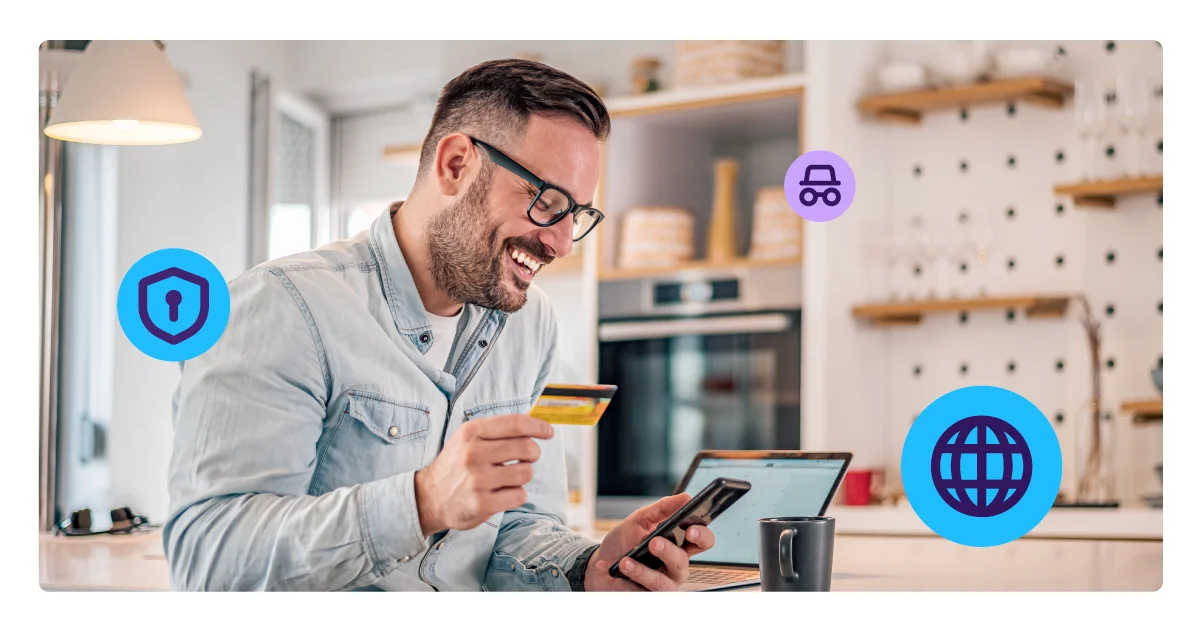
Every time you type in your sensitive card details for online payments, there is a risk of fraud and a security breach. Don’t worry! This not only keeps you awake but also many MNCs and card networks. This is why there is constant innovation in the field of digital payments. Tokenization is the most cherished system in today’s world due to its high-tech security and fast processing.
On top of that is the network tokenization that adds another layer of protection by removing third-party apps from the equation and giving the authentication to top-rated card networks such as Visa and Mastercard. What does network tokenization mean for recurring payments and subscription models? In this article, we’ll learn about it in some detail.
What is Network Tokenization?
On June 4 2024, Visa announced that they have completed over 10 billion token payments. In fact, it is predicted that the global tokenization market will reach an estimated value of $16 billion by 2032. The widespread acceptance of tokenization has been due to its fast approval rates and protection against everyday fraud.
Similar to tokenization, network tokenization also works by completely replacing your card details, including Personal Account Number (PAN), with a randomly generated token signified by an alphanumeric identity that can only be accessed by the authorized parties. Here are some key features of network tokenization:
- The token is generated by the leading card networks such as Visa, American Express and Mastercard.
- It removes the involvement of any third-party app to reduce risk. Plus, the token in network tokenization stays encrypted throughout the process.
- Network tokens are merchant-specific but can be used across platforms for recurring payments.
Why Network Tokenization Matters For Subscription and Recurring Payment Models?
Whether it is cost-cutting or safety, network tokenization offers a wide range of benefits for both customers and merchants. Here are some key reasons why this is the future of subscription and recurring payments:
Advanced Security and Fraud Protection
In the last year, tokenization has saved over 650 million dollars worth of online fraud. When you are opting for recurring payment for your subscription for streaming sites, delivery apps, etc., safety is the top priority. A network tokenization comes with multi-layered security:
- Real-Time Fraud Monitoring: Reputed card networks have high-tech systems to track millions of transactions to spot any irregularities. This prevents fraud before any illegal transaction takes place.
- Dynamic Cryptograms: Each token created can only be accessed through merchant-specific details. This ensures that even if the token is breached, the fraudsters can’t access it outside of the specified path.
Higher Approval Rates
Recent studies show a rise of over 2.1% authorization rates for network tokenization as compared to traditional online payments. In a month, around 15-20% of payments decline due to expired or replaced cards. This causes major inconveniences for businesses and clients using recurring payment models.
Dynamically updated network tokens do not expire. This means that expired card owners do not have to re-enter their sensitive information for continuous online payments.
Improved Checkout Experience
How often have you left your purchase at the checkout due to failed payments or a bad UI? Studies indicate that the number is around 35% with a loss of over $331 billion for businesses due to false declines.
- When the merchant and card details are authenticated, customers do not have to retype their details again and again, offering a smoother checkout process.
- In fact, it also reduces the need for CVV or CVC numbers, reducing the number of payment failures.
- Customers can also enjoy cross-channel payment consistency with the saved data. Whether the customer is paying for in-app purchases, e-commerce websites, or using a digital wallet, they can access it without manual typing.
Cost Savings
Network tokenization reduces additional charges in everyday transactions, which can benefit in the long run. These small costs or charges can add up in the long run and hamper your cash flow or day-to-day operations.
- Reduced Chargeback Fees: Better fraud prevention reduces excess chargeback fees for businesses.
- Lower Percentage of Lost Customers: If a business faces a 10% failed rate and loses 1% of its recurring customers, it can be hard in the long run. For instance, streaming service ‘A’ charges INR 100 per month to a base of 1,00,000 customers. If 1% (1000 customers) stop the subscription due to failed payments, the business can lose over 1 lakh INR per month.
- Reduced Customer Service Costs: More failed transactions bring more customer queries and increase your customer service costs. Regular failures will also require new investments in customer service departments, leading to higher budgets and revenue loss.
Wrapping Up
Network tokenization is the trending and top-rated digital payment technology in today’s landscape. With increasing e-commerce platforms and subscription models, the need for a safe and fast recurring payment system is paramount.
Its merchant-specific authentication and dynamic encryption benefits not just merchants but also regular customers. Plus, you get the backing of leading card companies and their high-scale security measures. As a business owner, the future is here, and it is time to embrace innovation to take your firm to new heights.