
HEALTH
Full Mouth Dental Implants: A Comprehensive Guide to Restoring Your Smile

Introduction to Full-Mouth Dental Implants
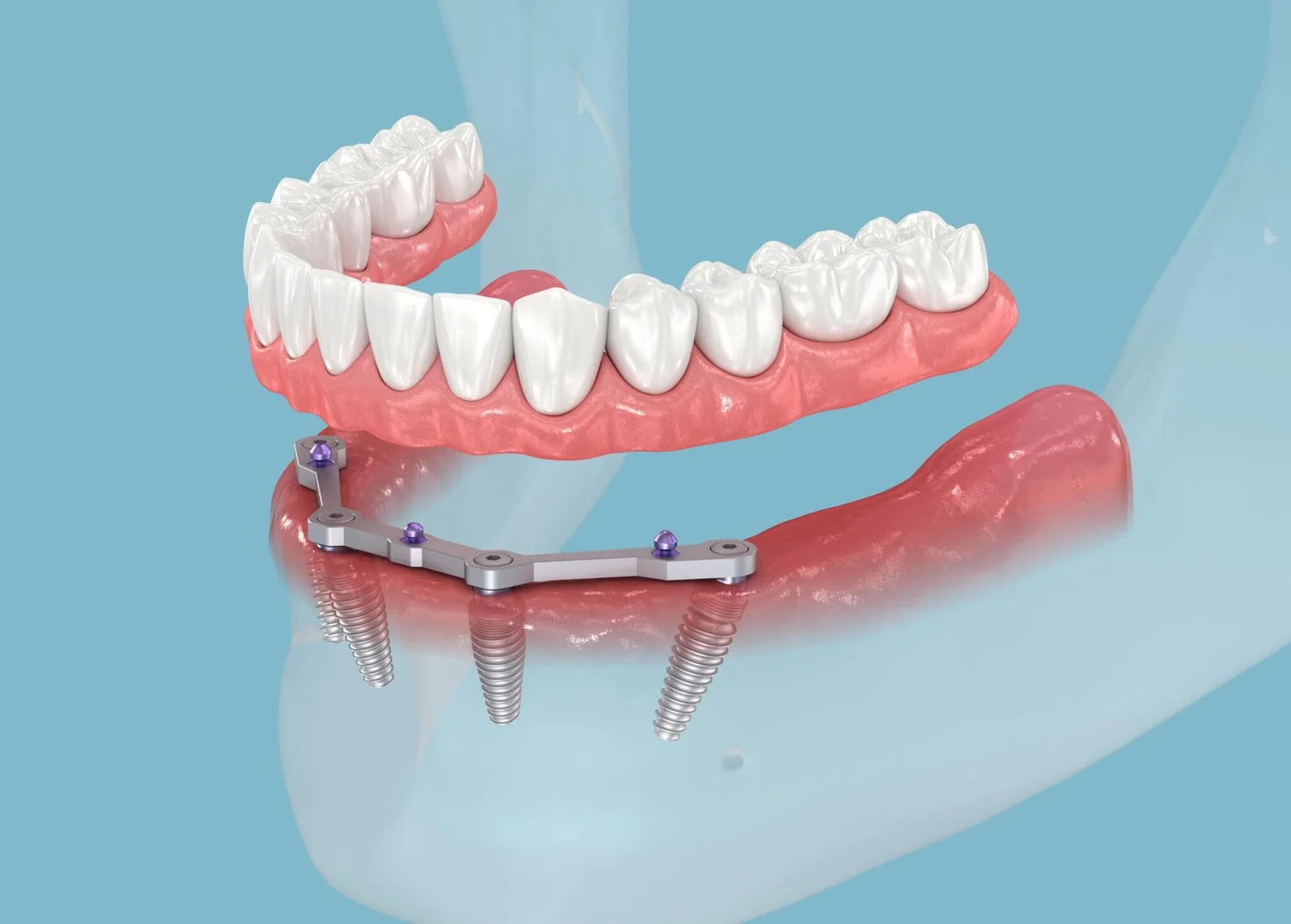
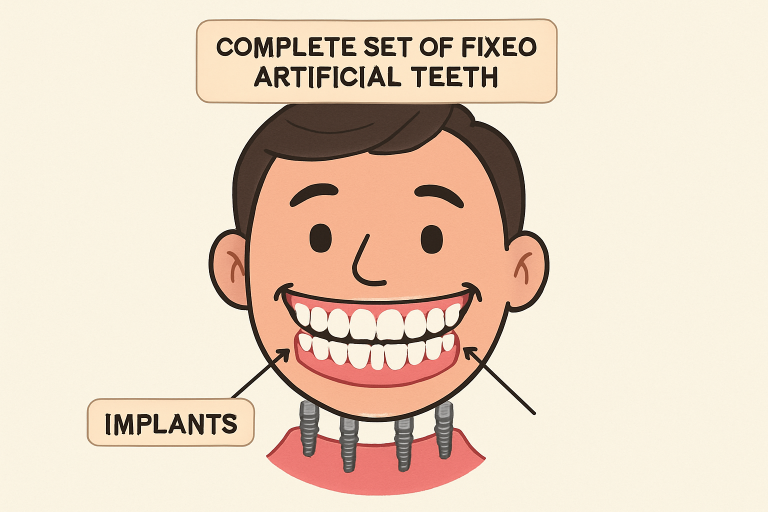
Full mouth dental implants are specifically designed for patients who have lost most or all of their natural teeth. Full mouth dental implants provide a comprehensive solution by anchoring a set of artificial teeth, typically made from high-quality ceramics or acrylics, directly to the jawbone using titanium posts. This approach results in a permanent, stable set of teeth that functions and looks remarkably like the real thing. Unlike removable dentures, implants eliminate slipping, rubbing, and dietary restrictions commonly reported with traditional prosthetics, making full mouth dental implants Murphy, TX, a trusted option for restoring both confidence and oral function.
The procedure not only improves oral health but also helps preserve the jawbone, preventing bone loss that can occur after tooth loss. Patients often report a significant boost in comfort and self-esteem after receiving implants. With proper care and regular dental visits, these implants can last many years, offering a long-term solution for a beautiful, functional smile.
The Procedure: Step-by-Step
Consultation and Assessment
The journey begins with a detailed consultation, during which a dental professional assesses the patient’s oral health, jawbone density, and goals. Diagnostic tools, such as X-rays and 3D imaging, help determine suitability and outline a personalized treatment plan.
Surgical Placement
During surgery, several titanium implants are carefully inserted into the jawbone. The number of posts depends on the case, but typically, 4–8 implants per arch are needed to support a full set of prosthetic teeth.
Healing and Osseointegration
The implants require a healing phase, often lasting several months, to allow for osseointegration—where bone tissue naturally fuses with the titanium posts, ensuring exceptional stability.
Attachment of Prosthetic Teeth
Once healed, custom-crafted prosthetic teeth are securely attached to the implants, completing the restoration process and providing an instant improvement in appearance and function.
Benefits of Full-Mouth Dental Implants
- Long-Term Durability: When properly cared for, implants can last a lifetime, making them a sound investment in oral health.
- Improved Chewing and Speaking: Implants restore up to 90% of natural bite strength, allowing patients to eat and speak with confidence.
- Natural Appearance: Each prosthesis is custom-made for a seamless, beautiful smile.
- Bone Preservation: By stimulating the jawbone in a manner similar to natural roots, implants help prevent bone loss and facial sagging over time.
As supported by experts from the Mayo Clinic, full-mouth implants offer numerous advantages over conventional dentures in terms of comfort and oral health preservation.
Choosing implants can significantly enhance quality of life and boost self-confidence. With proper care, they remain a reliable solution for many years.
Potential Challenges and Considerations
- Surgical Risks: As with any surgery, there is a risk of infection, nerve damage, or implant failure; however, these complications are rare with proper care and the guidance of experienced specialists.
- Extended Healing Time: The healing process, necessary for osseointegration, may require patience and careful post-operative care.
- Cost: Implant procedures often carry higher upfront costs compared to removable dentures or bridges; however, their greater longevity and reduced need for replacements can help balance long-term expenses.
Another consideration is the necessity for adequate jawbone mass. Some individuals might require bone grafting to build sufficient support for the implants. Consulting with an experienced implant dentist is essential for evaluating these factors in your personal situation.
Post-Procedure Care and Maintenance
Daily Oral Hygiene
Maintaining dental implants is similar to caring for natural teeth. Regular brushing, flossing, and the use of antimicrobial mouthwashes help prevent infections and ensure the longevity of your implants.
Regular Dental Visits
Routine check-ups enable early detection of potential issues and professional cleaning to remove plaque accumulation that brushing alone may not address. Dentists may also recommend specialized cleaning tools for optimal care.
Dietary Recommendations
While implants restore bite function, it is wise to avoid extremely hard foods, such as ice or hard candies, especially soon after the procedure, to prevent undue stress on your restorations.
Comparing Alternatives: Dentures vs. Implants
Traditional dentures have long been a solution for total tooth loss, but they come with notable drawbacks. Unlike implants, dentures can shift out of place, causing discomfort and necessitating the use of adhesives. Their maintenance, such as cleaning, soaking, and regular adjustments, can also be inconvenient. For a detailed comparison of dentures versus implants, Healthline provides an insightful resource that explains these differences in depth.
Full mouth implants, on the other hand, are securely fixed in place, promoting confidence when eating, laughing, or speaking. They require only standard oral hygiene practices and help preserve mouth and jaw structure, setting them apart from removable alternatives.
Cost and Insurance Considerations
Full mouth dental implants do represent a significant initial investment, but their long-term durability reduces the need for repeated replacements or costly repairs. Many dental insurance plans offer partial coverage, particularly when implants are deemed medically necessary. Patients are encouraged to discuss costs and coverage with their dental provider and insurance company in advance to ensure transparent budgeting and to learn about available financing options.
Conclusion
Full-mouth dental implants represent a transformative breakthrough in restorative dentistry, offering a combination of durability, aesthetics, and health benefits that surpass those of conventional solutions. By understanding the detailed procedure, possible obstacles, and essential maintenance, patients can approach their dental restoration with confidence. For tailored care and expert guidance, considering full mouth dental implants might be the crucial step toward achieving the smile you want.