
HEALTH
Essential Risks Every Healthcare Professional Should Be Aware Of


Key Takeaways
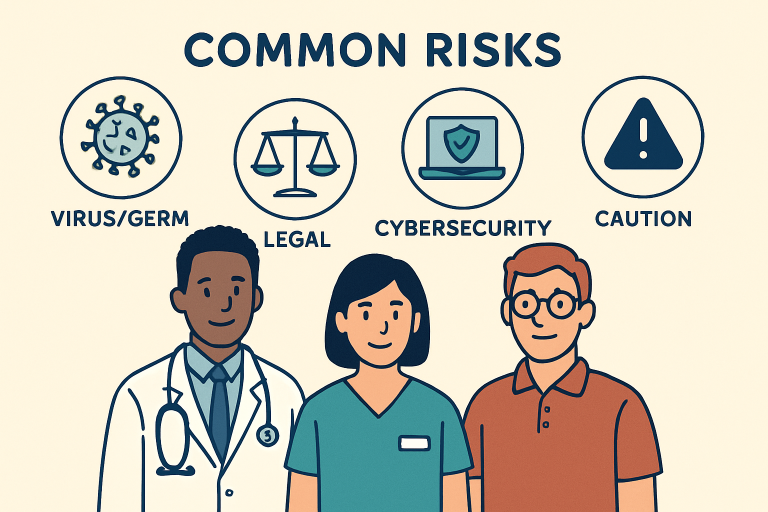
- Healthcare workers routinely encounter significant occupational, legal, psychological, and technological risks.
- Proactive risk management protects both healthcare staff and the well-being of their patients.
- Legal and ethical challenges, including liability and confidentiality, necessitate up-to-date knowledge and adherence to best practices.
- Continuous professional development and adherence to safety protocols are crucial for minimizing exposure to these risks.
Healthcare professionals operate in an environment that is both demanding and rewarding. While they tirelessly commit themselves to patient welfare, they also face a multitude of workplace risks—some of which can have profound implications for their health, career, and legal standing. Understanding these potential dangers and measures such as malpractice for medical professionals, can help mitigate possible threats and ensure a safer, more sustainable professional journey.
From direct exposure to infectious diseases and chemicals to the increasing prevalence of workplace violence and emotional burnout, the hazards in healthcare go beyond the immediate. Legal, ethical, and technological challenges demand constant vigilance, making risk awareness and proactive management essentials for every clinician and support staff member.
Maintaining a safe working environment in clinical settings—whether hospitals, clinics, or urgent care centers—requires unwavering attention to regulatory guidelines and evolving safety standards. Healthcare providers must also stay current on risk management education to avoid preventable injuries or costly litigation. Being informed about the latest advances and emerging threats can make a difference not only in their own lives but also in the quality of care delivered to patients.
High stress levels, both physical and mental, are well-documented in medical professions. Regularly reviewing best practices and leveraging resources from reputable organizations is essential for building a resilient and well-informed healthcare team.
Occupational Hazards in Healthcare Settings
Every day clinical practice exposes healthcare professionals to various occupational hazards, particularly chemical risks associated with the frequent handling of anesthetic gases, disinfectants, and sterilants. These substances can lead to significant health issues such as respiratory problems, skin disorders, and chronic diseases resulting from prolonged exposure. To mitigate these risks, it is essential to implement stringent engineering controls and utilize personal protective equipment (PPE) while ensuring strict adherence to established safety protocols.
Moreover, healthcare environments pose a particularly high risk of exposure to infectious diseases. Professionals are vulnerable to bloodborne pathogens, including hepatitis B and C, HIV, and more recent threats such as COVID-19 and antibiotic-resistant bacteria. In response, all healthcare staff need to adhere to rigorous infection control protocols. This includes practicing regular hand hygiene, staying up to date with immunizations, and promptly reporting any potential exposures. Such measures are vital in significantly reducing the risks of transmission and safeguarding both healthcare workers and patients.
Mental Health and Burnout Among Healthcare Workers
Long shifts, life-or-death decision-making, and frequent exposure to trauma can take a toll on a healthcare professional’s mental health. Burnout—a combination of emotional exhaustion, depersonalization, and reduced personal accomplishment—is prevalent among nurses and physicians. Studies indicate that chronic job-related stress can increase the likelihood of medical errors while decreasing patient satisfaction and care quality.
Healthcare systems can support their teams through mental health counseling, balanced workloads, and building a culture that promotes seeking help. Addressing burnout is essential not only for staff retention but also for ensuring safe and effective patient care.
Legal and Ethical Challenges
Medical professionals operate under strict legal and ethical standards. Allegations of negligence or breaches in patient confidentiality can result in significant legal liabilities and irreparable reputational damage. Engaging in ongoing ethics education and adhering to best practices regarding documentation, consent, and privacy is essential to avoid costly litigation and disciplinary actions.
Healthcare workers are also expected to remain vigilant to changes in laws governing patient safety, record-keeping, and electronic health information to ensure compliance at every level of service delivery.
Technological Risks and Cybersecurity Threats
Healthcare’s rapid digitization has revolutionized patient care, but it has also introduced significant cybersecurity threats. Data breaches pose risks not only to patient privacy but also to the overall operational viability of healthcare organizations. Among the prevalent threats are ransomware, phishing attacks, and unauthorized access to sensitive electronic health records, which can compromise data integrity and patient safety.
To mitigate these digital risks, organizations must implement a multifaceted cybersecurity strategy. This includes employing robust encryption protocols to protect data, adopting multi-factor authentication to ensure secure access, providing comprehensive training to staff about cybersecurity best practices, and conducting regular security audits to identify and rectify vulnerabilities. By prioritizing cybersecurity measures, healthcare organizations can effectively safeguard sensitive information and foster trust with patients and partners, ensuring a more secure digital healthcare environment for all stakeholders involved.
Physical Safety Concerns
Physical injuries—such as musculoskeletal strains from patient handling, accidental needle sticks, or slips and falls—are prevalent in healthcare settings. In addition, workplace violence, ranging from verbal threats to physical assaults, remains a significant concern, particularly in emergency departments and psychiatric units.
Strategies for safer environments include violence prevention training, ergonomic equipment, and clear procedures for reporting and addressing incidents. Employers must foster a culture of safety, with a commitment at all organizational levels.
Continuous Education and Risk Management
Ongoing professional development remains the most effective tool for healthcare professionals to stay current with best practices, regulatory changes, and new risks. Workshops, continuing education programs, and simulation-based training foster a deeper understanding of workplace hazards and strategies for minimizing them.
Fostering a climate of learning and risk awareness not only protects individual clinicians but also enhances overall patient care and institutional reputation.
Conclusion
Healthcare professionals face a challenging landscape of occupational, legal, psychological, and digital risks. By remaining vigilant, prioritizing safety, and continually expanding their knowledge, they can safeguard themselves and those in their care. Proactive engagement in risk management—from adhering to best practices to securing adequate coverage—ensures that the profession remains a rewarding and sustainable calling, benefiting both staff and patients.