
TRAVEL
Essential Outdoor Gear: What You Need and Why


Key Takeaways
- Selecting the right outdoor gear is essential for safety, comfort, and overall enjoyment in any adventure.
- Quality equipment acts as protection against unpredictable weather, terrain, and emergency situations.
- Understanding your environment, skill level, and trip duration helps determine which gear is truly essential.
- Proper clothing systems, supportive footwear, reliable navigation tools, and safety gear form the foundation of preparedness.
- Sustainable and well-chosen gear enhances not only performance but also long-term enjoyment of outdoor activities.
Introduction
Planning a memorable outdoor adventure starts with having the right equipment at your fingertips. Each piece of gear you select should serve a clear purpose, from ensuring your safety to maximizing your overall enjoyment. But with so many options crowding store shelves and online shops, how do you know what is truly essential? For a deeper dive into expert guides and community recommendations, turn to The Outside Society for invaluable insights and trip planning resources.
Proper outdoor gear is more than a collection of tools or clothing; it is your line of defense against unpredictable elements and the foundation for a rewarding experience. Whether you’re heading out for a day hike or an extended backcountry trip, investing in quality essentials can mean the difference between a safe, comfortable journey and an uncomfortable or even dangerous situation.
Understanding what to pack requires some research and an honest self-assessment of your needs, skill level, and the environment you’re entering. Once you’ve mastered the basics, you can personalize your setup to match your adventure style.
Beyond comfort and safety, the right gear can help you foster a deeper connection with nature and those you travel with. According to the REI Co-op, starting with foundational equipment keeps outdoor outings safer and more enjoyable.
Clothing: Layering for Success
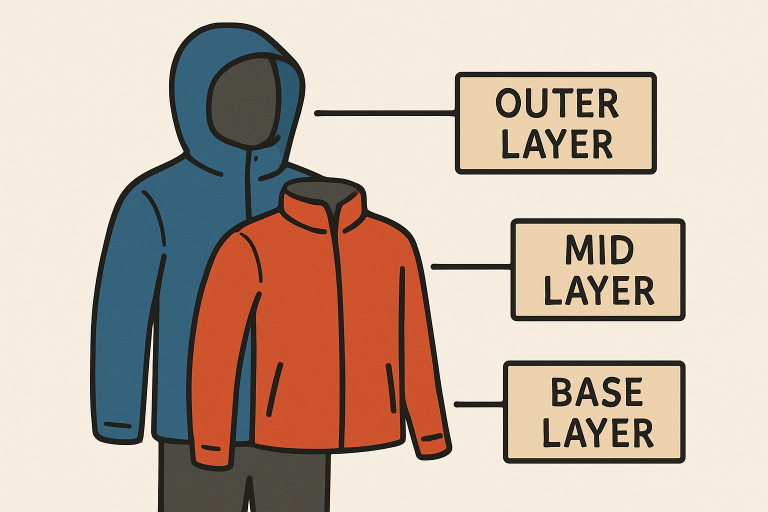
Your clothing system is your first line of defense against the environment. Layering allows you to adjust as temperatures and conditions change throughout the day. Three primary layers serve specific functions:
- Base Layer: Choose moisture-wicking materials such as merino wool or synthetic blends. These fabrics draw sweat away from your body, keeping you dry and warm.
- Mid Layer: Insulating layers like fleece or down jackets retain body heat. Their warmth-to-weight ratio makes them ideal for changing activity levels and temperatures.
- Outer Layer: A waterproof and windproof shell shields you from rain, snow, and high winds. Breathable membranes help manage sweat and moisture during exertion.
Investing in quality layers pays dividends in versatility and overall comfort. Whether trekking through alpine environments or navigating dense forests, adaptability is key to success.
Footwear: The Foundation of Every Step
Footwear is among the most important gear decisions you’ll make. Ill-fitting boots can quickly turn a hike into a painful ordeal. Look for models that match your trip type, foot anatomy, and expected terrain. Sturdy options boots offer durability and comfort, earning rave reviews for tackling rugged landscapes. A proper fit helps prevent blisters, supports your ankles, and ensures good ground traction.
Breaking in new boots beforehand and pairing them with moisture-wicking socks can enhance comfort and reduce the risk of injury.
Backpacks: Carrying Essentials Efficiently
The right backpack distributes your load evenly across your back and hips, minimizing fatigue and the risk of injury. Seek out models with ergonomic shoulder straps, padded waist belts, and back ventilation panels. Multiple compartments help organize your gear, making it easy to access essentials without unpacking everything.
Adjustability is crucial for both comfort and stability. Take the time to fit your pack properly to your body before setting out.
Navigation Tools: Staying on Course
Reliable navigation is the cornerstone of safe outdoor travel. While GPS units and smartphone apps are convenient, physical maps and compasses are fail-safe when technology falters. Learning basic map and compass skills is a worthwhile investment that can save lives in remote or unfamiliar terrain.
Remember to store your compass away from magnets or cell phone batteries to maintain accuracy.
Hydration and Nutrition: Fueling Your Adventure
Proper hydration and nutrition are non-negotiable. Carry plenty of water in reusable bottles or hydration reservoirs, and have a means to purify sources you find on the trail. This not only protects your health but also lessens environmental impact by reducing single-use plastics.
High-energy, nutrient-dense snacks like trail mix, jerky, or energy bars keep you fueled and alert. For longer excursions, consider lightweight meal options that require minimal preparation but offer substantial nutrition.
Safety Gear: Preparing for the Unexpected
Being ready for emergencies is part of responsible adventuring. Pack these core safety essentials:
- First Aid Kit: Customize according to your group size, trip length, and medical concerns.
- Multi-Tool: Useful for equipment repair, food prep, and first aid.
- Emergency Shelter: Compact solutions such as bivy sacks or emergency space blankets provide crucial protection if you’re stranded or forced to spend an unexpected night outdoors.
Don’t forget basic fire-starting materials and a whistle for signaling help.
Sustainable Choices: Protecting the Environment
Responsible gear decisions support the health of the landscapes you love. Choose products made from recycled or responsibly sourced materials and support companies committed to conservation. Not only does this approach minimize your ecological footprint, but products designed with sustainability in mind often last longer and perform better in tough conditions.
Final Thoughts
Your checklist of outdoor gear does more than fill your pack; it ensures you are prepared for whatever the trail might bring. By choosing wisely, leaning on expert resources, and opting for sustainable solutions, you can enhance your adventure experience while safeguarding both yourself and the wild places you explore.