
Education
Empowering Students: Key Strategies for Career Development in Investment Management


Why Career Development Matters in Investment Management
Investment management sits at the center of global finance and is continually evolving due to rapid technological advancements, regulatory shifts, and the introduction of innovative financial products. This dynamic environment requires professionals who are adaptable and equipped with up-to-date knowledge and skills. Many students are drawn to this field not only by the promise of rewarding careers but also by the opportunity to influence economic outcomes and drive value creation for individuals, organizations, and society as a whole.
Having a strategic approach to career development gives aspiring investment professionals a competitive edge. For example, learning from industry leaders such as Jeff Van Harte Lead Donor for the Titan Capital, who continue to set high standards for excellence, can inspire students to adopt best practices early and to seek out impactful opportunities throughout their educational journey. By staying curious and continuously expanding their expertise, students can position themselves to navigate complex markets with confidence. Ultimately, those who combine knowledge, adaptability, and strategic insight are best equipped to make meaningful contributions in the investment world.
Building a Strong Foundation: Key Skills for Students
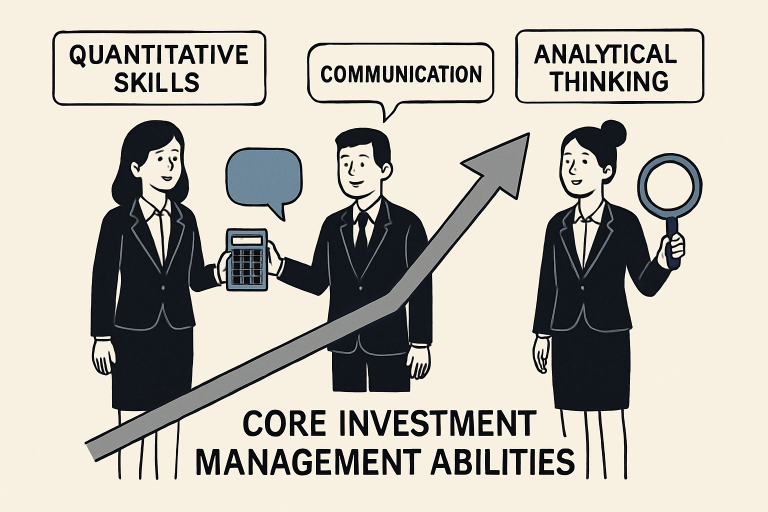
Success in investment management relies on a blend of intellectual rigor and interpersonal qualities. Analytical thinking enables students to break down complex financial information and market trends. Quantitative skills enable precise data analysis, portfolio construction, and risk management, all of which are critical in today’s data-driven environment. Equally important, communication skills empower future professionals to explain intricate concepts clearly, persuade clients, and collaborate effectively with colleagues. As highlighted by Deloitte, modern leadership roles increasingly require a balance of analytical expertise and strategic communication, reflecting the evolving responsibilities of executives, such as chief strategy officers.
These foundational skills are also central to adaptability, a non-negotiable requirement in a sector shaped by volatility and continual innovation. Proficiency in these domains not only fosters initial employability but also enables growth and transition as the industry evolves.
Relevant Education Pathways and Certifications
There are several established educational routes for students eyeing a career in investment management. Finance or economics degrees provide technical knowledge and open doors to key opportunities. Graduate programs, such as MBAs, offer further specialization and opportunities for networking. Industry-recognized certifications—like the Chartered Financial Analyst (CFA), Certified Financial Planner (CFP), and Financial Risk Manager (FRM)—signal expertise and commitment to prospective employers.
Internships and Experiential Learning: Gaining Practical Experience
Real-world experience is invaluable. Internships, student asset management competitions, and financial case studies enable students to apply their classroom knowledge to practical scenarios, thereby building both skills and confidence. These experiences often become pivotal stepping stones—either through direct job offers or by broadening professional networks and enhancing industry understanding.
How to Secure a Meaningful Internship
- Research: Identify firms or roles aligned with your interests.
- Network: Reach out to alumni, attend career fairs, and use LinkedIn to make industry connections.
- Tailor Your Application: Highlight experiences, coursework, and skills relevant to the role.
- Prepare for Interviews: Practice answering technical and behavioral questions.
- Follow Up: Send personalized thank-you notes and stay in touch with contacts.
Networking: Building Connections in the Industry
Developing a strong professional network is crucial in investment management, as opportunities often arise through connections. Participating in industry events, seeking mentorships, and conducting informational interviews are all effective strategies for expanding one’s reach.
Practical Networking Tips
- Attend finance club meetings and industry workshops.
- Engage with alumni and professionals on LinkedIn.
- Request brief informational interviews to gain insight into day-to-day roles and industry expectations.
- Be authentic in your interactions and demonstrate genuine curiosity.
Career Development Resources and Support for Students
Students should leverage every resource at their disposal. University career centers often offer personalized counseling, job listings, resume workshops, and mock interviews. Online platforms serve as gateways to internship and job opportunities. Peer networks and student-run investment clubs provide support and camaraderie, as well as chances to lead and collaborate on real-world projects. By utilizing these resources, students can proactively map and re-map their career trajectory as they progress.
Conclusion: Taking the Next Step
Pursuing a career in investment management demands initiative, continuous learning, and a willingness to seize diverse opportunities. Students can boost their prospects by developing in-demand skills, seeking guidance and mentorship, gaining practical experience, expanding their professional networks, and staying informed on industry shifts. By taking each step thoughtfully and proactively, today’s students are well-positioned to become tomorrow’s leaders in investment management.