
Business
Creative Ways Communities Can Benefit from Scrap Metal Recycling

Key Takeaways
- Scrap metal recycling delivers social, environmental, and economic value to communities large and small.
- Effective collaboration among residents, businesses, and local governments can magnify recycling’s impact and lead to sustainable progress.
- Education and community engagement are vital for high recycling rates and environmental stewardship.
- Success stories highlight how recycling programs transform communities locally and globally.
Table of Contents
- What Is Scrap Metal Recycling?
- How Communities Benefit from Scrap Metal Recycling
- Environmental Impact and Sustainability
- Economic Opportunities in Scrap Metal Recycling
- Educating and Engaging Citizens
- Successful Community-Driven Recycling Programs
- Actionable Steps for Local Groups and Leaders
- Looking Ahead: Future Opportunities with Scrap Metal Recycling
What Is Scrap Metal Recycling?
Scrap metal recycling collects, sorts, and processes metal waste from homes, businesses, and industries. Rather than seeing these discarded metals as trash, communities can repurpose valuable materials like aluminum, copper, steel, and more. Modern scrap metal recycling solutions help efficiently collect and process everything from appliances to old electronics, ensuring reusable metals enter the circular economy.
By recycling metals, communities significantly conserve natural resources and reduce energy use. The U.S. Environmental Protection Agency reports that recycling aluminum saves up to 95% of the energy required to produce it from raw ore. Harnessing services like electronic scrap recycling Queens NY, can streamline local recycling efforts and ensure safe and environmentally friendly disposal of electronics and metal goods.
How Communities Benefit from Scrap Metal Recycling
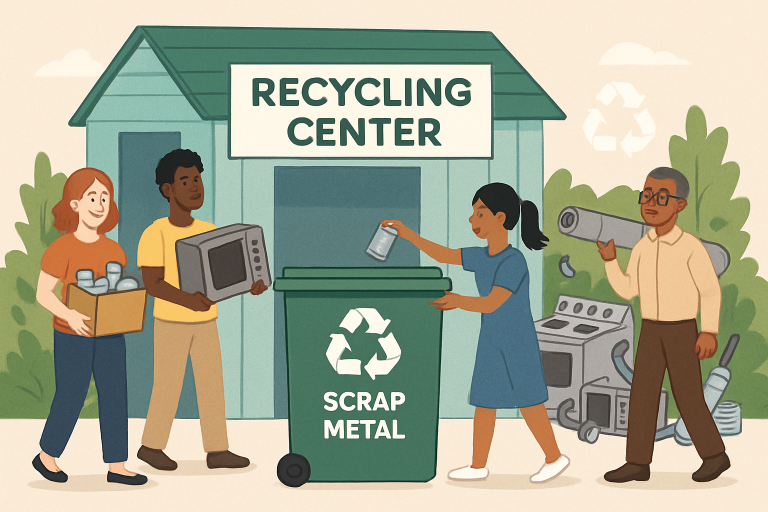
Scrap metal recycling is about more than just environmental responsibility—it’s a foundation for stronger, healthier communities. When neighborhoods embrace metal recycling programs, they enjoy reduced landfill waste, tidier public spaces, and improved community pride. Local initiatives often extend benefits to schools and nonprofits through fundraising drives, while municipal recycling decreases waste management costs for taxpayers.
Collaborative efforts between residents, civic groups, and small businesses can turn scrap drives into community celebrations. These efforts help build lasting connections among neighbors, inspire new partnerships, and bring positive attention to a community’s commitment to sustainability. Public achievements in recycling also attract recognition and support from larger organizations, amplifying impact.
Environmental Impact and Sustainability
The environmental benefits of scrap metal recycling extend far beyond reduced landfill waste. Every recycled ton of metal cuts greenhouse gas emissions by limiting the need for mining, refining, and processing raw materials—processes notorious for high energy use and pollution. According to National Geographic, recycling metals uses drastically lower energy than production from virgin resources, decreasing soil and water contamination.
Community-led recycling events and partnerships with certified recycling services ensure responsible handling of household and commercial materials. Proper electronic scrap recycling prevents harmful toxins from leaching into the environment and protects sensitive local ecosystems. These grassroots efforts support broader governmental and international climate goals, demonstrating how local action can help meet global challenges.
Economic Opportunities in Scrap Metal Recycling
In addition to environmental gains, scrap metal recycling fosters significant economic benefits. Processing and selling scrap metals create jobs for drivers, sorters, plant operators, and logistics managers. Revenue generated from these activities injects funds into local economies, often supporting public projects such as park renovations and art installations.
Communities recognizing scrap as a renewable resource rather than waste spark innovation and demonstrate fiscal responsibility. For example, municipalities with strong recycling initiatives may invest their profits into educational programs or public safety improvements, further elevating the quality of life for residents.
Educating and Engaging Citizens
Education is the backbone of successful community recycling programs. Schools, libraries, and neighborhood centers offer essential workshops and information campaigns that teach residents how to properly sort and dispose of metals, electronics, and other recyclables. EPA guidelines on recycling provide valuable resources and examples for effective recycling education.
Engaging the public through interactive events—like scrap drives, recycling competitions, and classroom projects—builds excitement and commitment across all age groups. When citizens understand the broader impact of their recycling actions, participation rates rise, and a culture of environmental stewardship flourishes.
Successful Community-Driven Recycling Programs
Across the globe, city-wide recycling events, nonprofit collaborations, and incentive-based programs demonstrate what’s possible when communities come together. In Vancouver, for example, “scrap metal roundups” and creative competitions inspired neighboring regions to launch their own programs. These events often feature art contests made from recycled materials and reward top recyclers with public recognition or prizes.
According to The New York Times reporting, dedicated volunteers and robust publicity campaigns are critical to ongoing participation and success. Such models prove that recycling outcomes can quickly exceed expectations when local organizations, schools, and families work together.
Actionable Steps for Local Groups and Leaders
- Develop strong partnerships with local recyclers and waste management companies to streamline scrap collection and processing.
- To reach a broad audience, design targeted awareness campaigns using social media, printed flyers, and community meetings.
- Organize recycling drives in schools and workplaces, publicly recognizing top contributors and celebrating collective milestones.
- Provide accessible drop-off points or curbside pickup options for scrap metal to maximize convenience and participation.
- Track and report program outcomes regularly, emphasizing successes, learning opportunities, and future goals to maintain momentum and transparency.
Looking Ahead: Future Opportunities with Scrap Metal Recycling
The future of scrap metal recycling holds enormous promise as technology evolves. Innovations such as AI-powered sorting systems and intelligent collection bins are poised to streamline operations further, reduce contamination, and increase material recovery rates. Community-driven progress today opens the door for even more sustainable solutions in the years ahead.
Continued investment in education, inclusivity, and advanced recycling infrastructure will allow communities to lead by example—achieving cleaner environments, stronger local economies, and a greater sense of collective purpose. By embracing new opportunities and adapting to emerging best practices, communities can ensure long-term benefits from scrap metal recycling for generations.