
Business
Cloud-Based Phone Systems: Practical Tips and Key Considerations for Modern Businesses


Effective business communication is a competitive advantage in today’s digital landscape, where flexibility and efficiency are essential for success. Cloud-based phone systems have revolutionized the way organizations manage communication, offering scalable, mobile, and cost-effective solutions for teams of all sizes. As more companies look to upgrade their telephony infrastructure, understanding the essentials of VoIP services NYC NY, is crucial for a seamless transition and long-term growth.
Cloud-powered phone solutions empower organizations to adapt quickly, minimize overhead, and support hybrid or remote working environments. This article explores the practical steps and strategic considerations you need to adopt when migrating to a cloud-based phone system, enabling your business to enhance collaboration, adapt quickly to change, and stay ahead of evolving industry demands.
Whether you run a small business or a large enterprise, the benefits of migrating to cloud telephony extend beyond mere cost savings. With features such as call analytics, mobile integration, and robust reliability, organizations are redefining their communication strategies to foster productivity and enhance customer satisfaction. If you’re evaluating modern solutions to replace legacy phone systems, thorough research and careful planning will maximize your investment and drive better outcomes for your workforce and clients.
For further insights on how business leaders are aligning technology upgrades with growth strategies, see recent industry coverage at CIO.com for cloud migration planning best practices.
Understanding Cloud-Based Phone Systems
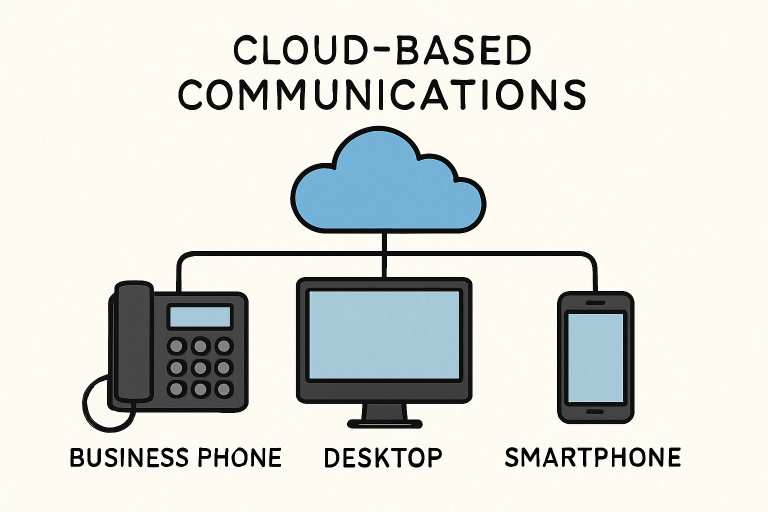
Cloud-based phone systems, also known as cloud PBX or VoIP phone services, transmit voice calls and messages over the internet instead of traditional landlines. Hosted by third-party providers, these systems eliminate the need for physical switchboards and on-site telephone hardware, replacing them with secure, cloud-driven platforms accessible from anywhere with an internet connection. By virtualizing telephony infrastructure, companies unlock new levels of efficiency, agility, and functionality.
Key Benefits of Cloud Phone Systems
- Cost-Effectiveness: Cloud phone solutions follow a predictable subscription model, minimizing upfront investments in equipment and allowing for easier budget management. Operational costs are streamlined, allowing businesses to scale services as their needs evolve.
- Flexibility and Mobility: Employees can manage business calls and SMS on desktops, smartphones, or tablets, ensuring seamless access to communication tools from anywhere, whether at home, in the office, or on the go.
- Enhanced Features: Cloud providers offer rich, integrated features—such as auto-attendants, voicemail-to-email, analytics, and conferencing—without the complexity of on-premises systems.
- Reliability and Disaster Recovery: Enterprise-grade uptime and disaster recovery protocols safeguard operations from outages. Most top providers guarantee service continuity and redundant hosting.
Essential Features to Look For
Evaluating cloud-based phone platforms requires a close examination of the features that will empower your workforce and integrate seamlessly with your operational workflows. Below are key areas to prioritize:
- Call Management: Look for robust tools that support call forwarding, auto-attendant, queuing, recording, and call routing to handle both inbound and outbound communications efficiently.
- Integration Capabilities: Ensure compatibility with popular CRM, ERP, and project management tools your teams rely on daily, streamlining data flow and workflow management.
- Scalability: Platforms should allow instant provisioning or removal of users, supporting rapid business growth or streamlined contraction during transitions.
- Security Measures: Seek support for call encryption, advanced authentication, and regular security audits to mitigate risks and protect company data.
Security and Compliance Considerations
Cybersecurity is a non-negotiable requirement for modern communication platforms. When vetting providers, prioritize solutions that deliver:
- Data Encryption: End-to-end encryption ensures communications are protected both in transit and at rest, deterring interception and unauthorized access.
- Multi-Factor Authentication (MFA): MFA adds a vital layer of defense against account breaches, especially with distributed or mobile workforces.
- Compliance Certifications: Verify that vendors meet or exceed industry-specific compliance (such as HIPAA for healthcare or GDPR for EU data privacy) with clear records of regulatory adherence.
Remain informed about the latest compliance frameworks and emerging cybersecurity threats through resources at TechTarget.
Integration with Existing Tools
Seamless integration between your phone system and digital toolset unlocks real-time data sharing and automates routine tasks. The ability to sync calls with CRM platforms, helpdesk software, and collaboration tools not only centralizes communications but also provides valuable context and insights, raising service quality and employee productivity. Look for open APIs and pre-built integrations when comparing providers to ensure smooth adoption and interoperability.
Scalability and Flexibility
Cloud-based phone systems easily expand alongside your organization’s ambitions without the hassle or expense associated with traditional phone systems. Whether opening new offices, onboarding seasonal staff, or entering new markets, your telephony infrastructure should remain agile, reliable, and aligned to real-time needs—ensuring you never overpay for unused lines or licenses.
Cost Analysis and Budgeting
Moving to a cloud-based phone solution often results in reduced capital expenditure and predictable recurring costs, aiding in tight budget control. Businesses report up to 40% reduction in telephony expenses by eliminating bulky hardware, long-distance charges, and costly maintenance contracts. Seek transparent pricing models and perform a total cost of ownership (TCO) assessment to project long-term value, accounting for growth and feature adoption scenarios.
Implementation Best Practices
- Assess Your Needs: Document the communication requirements unique to your organization. Consider user numbers, call volume, integrations, compliance requirements, and mobile access needs.
- Choose a Reputable Provider: Research and vet cloud phone vendors thoroughly for reliability, quality of customer support, and user reviews.
- Plan the Migration: Develop a comprehensive migration plan that details timelines, change management processes, and employee training schedules to minimize disruption.
- Test Thoroughly: Prioritize a pilot rollout and conduct functional tests before a full-scale launch, gathering user feedback to address any pain points in advance.
Conclusion
Cloud-based phone systems have reshaped the business telecommunications landscape, fostering greater resilience, scalability, and operational efficiency. By focusing on tailored requirements, robust partnerships, and security priorities, organizations can future-proof their communications and unlock powerful new capabilities for both employees and customers. Invest in the right tools, follow best implementation practices, and the transformation will yield long-term benefits that keep your business connected and thriving.