
NEWS
Building Resilience Through Therapy: Strategies for Emotional Strength


Developing resilience is vital for maintaining mental well-being during times of crisis. Resilience refers to the ability to recover from challenges, setbacks, or trauma, and is a skill that anyone can acquire and strengthen. Therapy offers numerous strategies to cultivate resilience, helping individuals navigate life’s obstacles with greater confidence. If you are seeking ways to enhance your emotional strength, connecting with experts such as AMK Counseling can be a valuable step toward lasting personal growth and emotional balance.
Building resilience involves deliberate, evidence-based approaches. By integrating therapy methods into daily life, it is possible to adapt effectively to stress and adversity, leading to improved mood and a stronger sense of self-efficacy. Learning to become more resilient can lead to profound changes, including better coping skills, increased optimism, and greater resilience in handling the unexpected.
Different therapeutic modalities are tailored to address each individual’s unique experiences and needs. For many, this may mean engaging in cognitive or mindfulness-focused practices that foster new perspectives. These methods, often complemented by community support, create an environment where emotional recovery and self-growth become achievable goals.
Therapists use a wide range of interventions that can make building resilience accessible and practical. This holistic approach not only addresses mental health symptoms but also empowers individuals to reclaim control over their well-being. For further insights on how therapy enhances resilience, reviews from resources like the Psychology Today guide on resilience are informative for both individuals and caregivers.
Understanding Resilience
Resilience is not something people are born with. Instead, it is a skill developed through intentional effort and practical strategies. At its core, resilience is about adapting well to stress, trauma, or significant change. Instead of allowing hardships to derail progress, resilient individuals find ways to move forward, often emerging stronger after adversity.
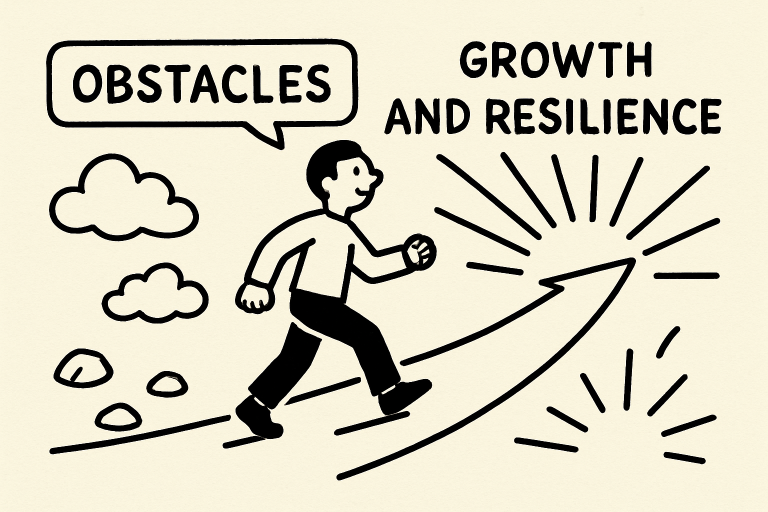
Numerous studies highlight that strong resilience can act as a buffer against the development of anxiety or depression. People with higher resilience tend to report better well-being, improved relationships, and a greater ability to remain hopeful during difficult periods. Importantly, anyone can learn and practice resilience-building skills, regardless of their starting point or past experiences.
Therapeutic Approaches to Building Resilience
Effective resilience therapy recognizes that each individual’s journey and background are unique. Therapy offers interventions including cognitive-behavioral techniques, mindfulness-based therapies, and peer-supported group sessions. These approaches provide structure and support, encouraging meaningful changes in thought processes, emotion regulation, and behavior patterns.
Many therapists utilize an integrative model. This model adapts techniques based on each person’s strengths, values, and goals. Through consistent practice, clients can reshape their responses to stress and uncertainty, laying the groundwork for lasting emotional strength. According to the Psychology Today guide on resilience, structured therapeutic approaches are supported by extensive research demonstrating their effectiveness for promoting long-term well-being.
Cognitive Behavioral Therapy (CBT)
Cognitive Behavioral Therapy (CBT) is a popular and well-established form of psychotherapy. It centers on the premise that changing negative or distorted thinking patterns can influence emotions and behaviors in positive ways. By learning to recognize and challenge unhelpful thoughts, individuals can foster healthier coping strategies, which in turn can strengthen their resilience.
CBT interventions often involve practicing new ways of thinking through targeted exercises. Individuals learn to identify automatic negative thoughts, examine the evidence supporting or contradicting them, and replace them with more realistic perspectives. The benefits of CBT are well supported, with studies indicating that it effectively reduces symptoms of depression and anxiety, paving the way for greater resilience in daily life.
Mindfulness-Based Therapies
Mindfulness-based therapies emphasize being present and fully engaged in the current moment. These practices help individuals unhook from persistent worries about the past or future, thereby reducing emotional distress. Techniques such as mindful meditation, body scanning, and controlled breathing are commonly used to foster calm, clarity, and emotional stability.
Incorporating mindfulness into therapy can help individuals notice their emotional reactions without being overwhelmed by them. Over time, these approaches create a buffer against stress and help cultivate a more balanced response to adversity. Mindfulness can be practiced both in the therapy room and outside of it, supporting people as they build resilience into everyday routines.
Group Therapy
Group therapy settings provide a unique source of support and learning. Sharing experiences with peers facing similar challenges can normalize emotional reactions and foster a sense of belonging. Group participants exchange practical coping strategies and learn from each other’s recovery journeys, helping everyone involved to feel less isolated and more empowered.
Research indicates that group therapy can enhance self-esteem and social connectedness, both of which are essential for building resilience. The encouragement and accountability offered by group members create an environment where personal growth is nurtured and celebrated.
Innovative Therapeutic Methods
Beyond traditional therapy models, new approaches are increasingly being integrated into mental health care. One promising method is virtual reality (VR) art therapy. According to studies, such as the “Break Times: Virtual Reality Art Therapy” project, VR art therapy can significantly lower stress, with half of the participants reporting normal stress levels after sessions. ([arxiv.org](https://arxiv.org/abs/2411.05146))
These emerging modalities highlight the potential of technology to enhance the therapeutic process. By offering creative, immersive experiences, they provide new opportunities for individuals to express themselves, regulate emotions, and develop resilience in innovative ways.
The Role of Community in Resilience
Community involvement plays a crucial role in helping individuals and families build resilience. Initiatives like the “Remarkably Resilient Together” campaign are designed to make tools for healing and stress management easily accessible to all. These programs focus on education, resource sharing, and mutual support, demonstrating the powerful impact of collective action on mental health outcomes.
Community-based efforts not only promote awareness but also empower individuals to seek and give support. This shared commitment to well-being reinforces the idea that resilience is not just an individual pursuit but a community-wide goal.
Conclusion
Resilience is an essential part of mental wellness, and therapy offers practical ways to build it. By engaging in cognitive-behavioral strategies, mindfulness practices, and exploring innovative methods such as VR art therapy, individuals can build the strength to face life’s challenges and thrive. Support from both therapists and community initiatives further solidifies this growth, making resilience a realistic and attainable objective for everyone.