
Games
Best Approaches for Preventing and Managing Chronic Back Pain


Key Takeaways
- Regular exercise strengthens back-supporting muscles and improves flexibility.
- Mindfulness and stress reduction can decrease pain intensity.
- Maintaining a healthy weight helps alleviate spinal strain.
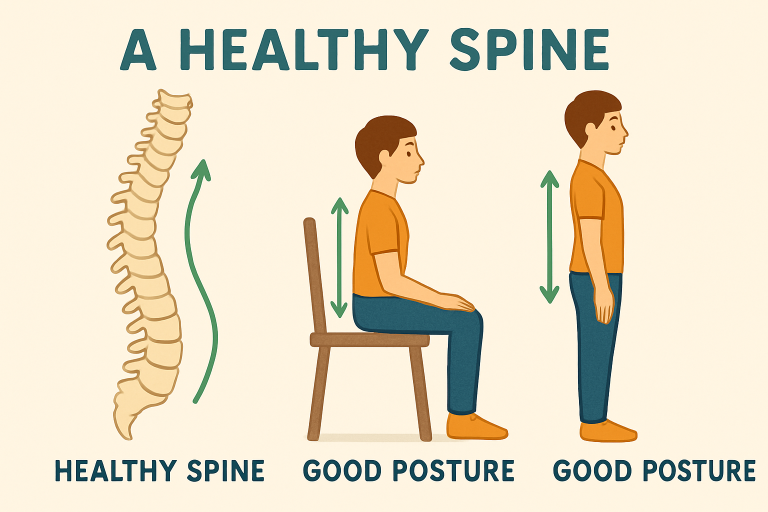
- Good posture and ergonomic practices are essential for back health.
- A multidisciplinary approach yields the best results.
Introduction
Chronic back pain is widespread, impacting millions of people globally and affecting productivity, mobility, and general well-being. Addressing this issue early—and with a holistic strategy—can make a transformative difference in daily life. Understanding your options is essential, whether you’re seeking preventative measures or reliable management strategies. In some cases, consulting with a specialist such as a neck orthopedic surgeon can provide personalized care and guidance for persistent or severe cases.
The causes and persistence of back pain are often complex, involving physical, psychological, and lifestyle factors. Fortunately, advances in research and a commitment to healthy habits enable individuals to take practical steps towards pain prevention and sustainable management.
Engage in Regular Physical Activity
Movement is one of the most reliable ways to keep your back healthy and resilient. Activities such as walking, swimming, or cycling place low stress on the spine while strengthening crucial core and support muscles. Incorporating exercise routines that target the back and abdominal muscles, like yoga, planks, or bridges, not only helps to prevent injury but can also decrease the frequency and intensity of chronic pain episodes. According to the recommendations from the National Institute of Arthritis and Musculoskeletal and Skin Diseases (NIAMS), adults should aim for at least two days per week of strength training along with regular aerobic activity.
Flexibility and stretching should also be a regular part of your routine. Gentle daily stretches support proper alignment and reduce stiffness, making it easier to maintain healthy movement patterns throughout the day. Always consult a medical professional before beginning a new exercise regimen, especially if you’re already experiencing discomfort or limited movement.
Practice Mindfulness and Stress Reduction
Psychological stress frequently manifests as muscle tension and heightened pain perception. Mindfulness-based practices—including meditation, deep breathing, and yoga—have reduced pain and anxiety. Research from Harvard Health Publishing suggests that mindfulness meditation can significantly lower pain intensity and help break the cycle of chronic discomfort.
Maintain a Healthy Weight
Being overweight, particularly in the abdominal area, increases the load on your lumbar spine and can exacerbate pain. Maintaining a healthy weight through a balanced diet rich in anti-inflammatory foods—such as leafy greens, nuts, seeds, and fish—can make a notable difference in back health. Combining dietary changes with regular exercise is an effective way to prevent and manage back pain caused by excess body weight.
Adopt Proper Posture and Ergonomics
Hunched shoulders, slumping, and prolonged periods of sitting all contribute to back pain over time. Correcting posture and making ergonomic improvements at work and home—such as investing in a supportive chair or positioning your computer monitor at eye level—can help reduce unnecessary stress on the back. For long periods of standing or lifting, remember to use your knees rather than your back and switch positions frequently to avoid stiffness and fatigue.
Combine Physical and Psychological Therapies
The most successful approaches for chronic back pain often involve a blend of physical and psychological therapies. Techniques such as physical therapy, cognitive-behavioral therapy (CBT), and education about pain can empower individuals to manage symptoms effectively and decrease reliance on medication. Research published by the Mayo Clinic highlights that combining these modalities leads to more robust, longer-lasting relief than relying on a single method alone.
Utilize Heat and Cold Therapy
Applying heat or cold packs to sore or tense muscles can provide temporary pain relief and help reduce inflammation. Heat therapy, such as warm compresses or heating pads, increases blood flow and relaxes muscles, while cold therapy (like ice packs) is ideal for reducing swelling and numbing sharp pain. Always use a barrier between the skin and the compress to prevent burns or frostbite, and limit application to 15-20 minutes.
Stay Informed About New Treatments
Emerging treatments—ranging from targeted physical therapy to virtual reality and minimally invasive procedures—offer hope for those with persistent back pain. Staying up to date with advancements can help you and your care team explore all options, ensuring you receive personalized and effective treatment. Consider seeking resources and continued education through reputable organizations like the Centers for Disease Control and Prevention (CDC).
Conclusion
Preventing and managing chronic back pain takes commitment to a multifaceted approach, including regular activity, mindfulness, healthy weight management, posture awareness, and a willingness to explore multiple therapies. By taking these steps, individuals reduce discomfort and enhance overall quality of life and long-term spinal health.