
HEALTH
Benefits of Cognitive Behavioral Therapy for Emotional Well-Being


Key Takeaways
- CBT is an extensively researched, evidence-based therapeutic approach proven effective for a broad range of mental health concerns.
- It empowers individuals by providing hands-on skills to manage stress and navigate emotional difficulties.
- CBT can alter brain function in ways that foster emotional resilience and long-term psychological growth.
Emotional well-being is the cornerstone of a fulfilling and balanced life, shaping how we perceive ourselves, interact with others, and cope with everyday challenges. Achieving and maintaining emotional well-being requires more than just a positive outlook; it demands practical strategies and self-awareness. One of the most effective methods to achieve this is through clinical psychology interventions, specifically Cognitive Behavioral Therapy (CBT). CBT is a leading psychotherapeutic approach that helps individuals recognize and change unhelpful thinking patterns and behaviors that can cause emotional distress. It offers practical tools for lasting positive transformation and helps individuals take charge of their mental health journey. CBT’s emphasis on teaching new skills and adaptability to individual needs makes it an accessible and personalized path towards self-understanding and resilience. This article explores the unique advantages of CBT for emotional well-being and its impact on people’s lives.
Understanding Cognitive Behavioral Therapy
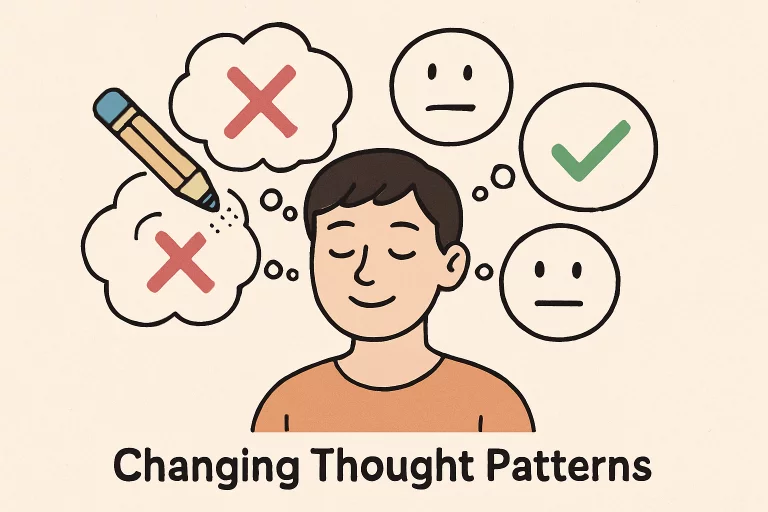
Cognitive Behavioral Therapy is a structured, time-limited, and collaborative form of psychotherapy that delves deeply into the relationships among thoughts, emotions, and behaviors. At its foundation, CBT operates on the principle that our thoughts shape how we feel and behave; when we experience distorted or unhelpful thinking patterns, it can lead to persistent negative emotions and maladaptive behaviors. A skilled CBT therapist works closely with clients to identify these thought patterns—whether it’s catastrophizing, overgeneralizing, or harboring self-critical beliefs—and helps them practice challenging and reframing these thoughts. By replacing negativity with balanced, realistic perspectives, individuals gradually adopt healthier emotional responses and more constructive actions, fostering profound and sustainable improvements in how they cope with everyday challenges.
Effectiveness Across Mental Health Conditions
The effectiveness of CBT is backed by decades of rigorous scientific research, making it one of the most trusted treatment options available for a wide spectrum of mental health disorders. Numerous studies have documented CBT’s success in alleviating symptoms related to depression, anxiety disorders such as generalized anxiety disorder and panic disorder, post-traumatic stress disorder (PTSD), obsessive-compulsive disorder (OCD), and even substance use disorders. For example, research conducted by Stanford Medicine revealed that CBT’s focus on enhancing problem-solving abilities not only alleviates depressive symptoms but also triggers adaptive changes in the brain’s neural circuits. This means that CBT doesn’t just manage symptoms temporarily—its positive impact extends to measurable changes in brain activity, fostering enduring mental and emotional healing.
Development of Practical Coping Skills
Among the most significant advantages of CBT is its commitment to instilling practical, actionable coping skills that clients can use daily. Central CBT techniques include cognitive restructuring—challenging and reshaping unhelpful beliefs—behavioral activation, which motivates engagement in rewarding and meaningful activities, and the cultivation of relaxation techniques (such as progressive muscle relaxation or guided imagery). Additionally, CBT sessions often focus on building robust problem-solving abilities, so clients can more easily navigate complex emotional challenges or life transitions. In fields like forensic psychology, these skills are particularly valuable, as individuals may need to manage high-stress environments or confront deeply rooted behavioral patterns. By internalizing these tools, individuals become better equipped to reduce stress, manage overwhelming emotions, and respond adaptively to future difficulties.
Facilitation of Positive Brain Changes
Breakthroughs in neuroscience have shown that the mental shifts fostered by CBT are accompanied by genuine physical changes in the brain’s architecture. Advanced brain imaging technologies, such as fMRI and PET scans, provide clear evidence that CBT enhances activity in areas responsible for executive function (planning, self-control, and decision-making) and emotional regulation. Clients who participate in CBT demonstrate improved connectivity in brain regions linked to happiness, calmness, and goal-directed behavior, tending to report lower anxiety and increased emotional fortitude. These changes suggest that CBT doesn’t just help “in the moment”—it actually trains the brain for better emotional resilience in the future.
Empowerment and Self-Efficacy
CBT is distinguished by its emphasis on empowerment and the cultivation of self-efficacy—one’s belief in one’s capability to influence and change one’s circumstances. Through a process of guided discovery, self-reflection, and continuous feedback, individuals become more aware of the ways their internal narrative shapes their outward experience. As they practice new skills and witness tangible progress, clients develop a stronger sense of mastery over their thoughts, emotions, and behaviors. This growing self-efficacy is essential for boosting self-esteem and fostering the conviction that setbacks can be overcome with patience and persistence. The empowerment central to CBT often carries into other areas of life, promoting confidence and a positive attitude toward problem-solving and growth.
Structured and Goal-Oriented Approach
A hallmark of CBT is its highly structured and goal-oriented framework. Sessions follow a specific format, usually starting with a review of progress, followed by setting an agenda, practicing skills, and assigning “homework” between sessions. This predictability and organization create a safe and supportive environment, especially for individuals feeling overwhelmed by emotional turmoil. Together, therapist and client identify goals that are meaningful, attainable, and measurable. Regular progress checks foster motivation and accountability, empowering clients to track and celebrate their advancements. For those who thrive on clarity and action steps, CBT’s structure is especially helpful, providing a roadmap for overcoming emotional obstacles.
Long-Term Benefits and Relapse Prevention
One of CBT’s defining strengths is its focus on sustainability and relapse prevention. Unlike some interventions that offer only short-lived symptom relief, CBT teaches participants enduring techniques for challenging cognitive distortions and adopting healthy responses to stress. These self-maintenance tools remain valuable long after the formal therapy has ended, helping individuals stay aware of their mental health triggers and proactively address them. Studies indicate that people who engage in CBT are less likely to experience relapses into anxiety, depression, or other conditions because they have learned to independently monitor their thoughts and take positive action. The toolkit developed during CBT doesn’t just support recovery—it nurtures lifelong wellness.
Accessibility and Adaptability
Cognitive behavioral therapy (CBT) is a highly accessible and adaptable therapy that can be conducted in various settings, including one-on-one sessions, group sessions, family units, or via secure online platforms. It can be tailored to all age groups and addresses various issues like trauma, grief, cultural stressors, and medical problems. CBT’s flexibility and adaptability make it a modern, forward-thinking therapy that caters to diverse populations. It offers a foundation for lifelong mental health, emotional resilience, and personal growth, promoting a balanced, confident, and fulfilling future.