
Tech
Affordable vs. Award-Winning Hearing Aids: A Caregiver’s Guide

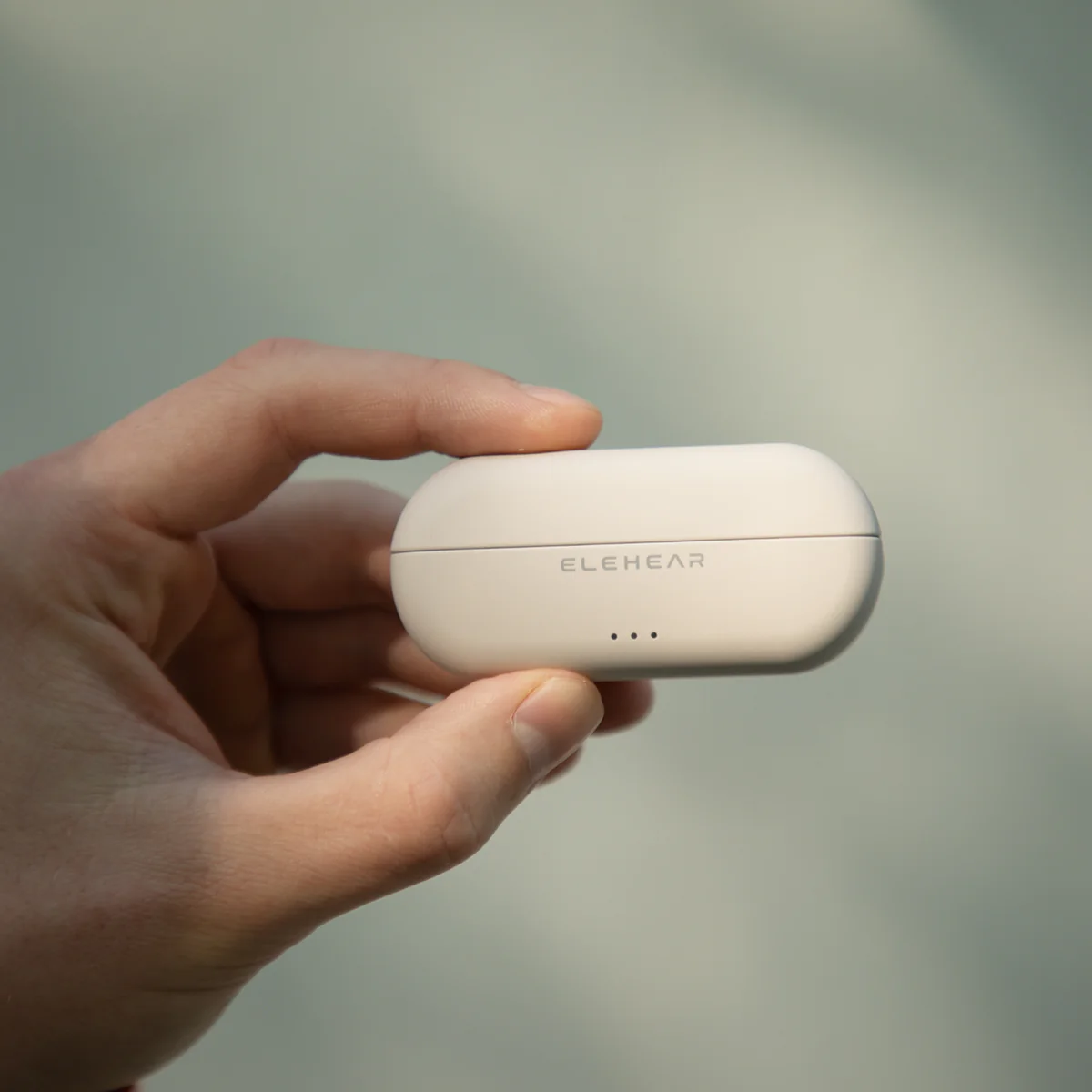
When someone you love begins struggling to hear, the search for solutions becomes deeply personal. As a caregiver, you carry the weight of wanting the best possible outcome while facing the reality of limited budgets, conflicting information, and an overwhelming marketplace. The central dilemma is familiar: do you invest in affordable hearing aids that fit your financial situation, or do you pursue award-winning hearing aids that promise superior technology and proven results? The truth is, this choice doesn’t have to be binary. Your role as a decision-maker means understanding what truly matters—effective communication, comfort, and long-term satisfaction for your loved one. Throughout this guide, we’ll explore how affordable and award-winning options compare, what features genuinely make a difference, and why tools like risk-free trials and reliable recommendations from trusted sources can transform an anxious decision into a confident one. The right hearing aid exists at the intersection of quality and value, and finding it starts here.
The Caregiver’s Challenge: Navigating Hearing Aid Choices
Caregiving is an act of love that comes with difficult decisions, and few feel as overwhelming as choosing hearing aids for someone who depends on you. The financial stress alone can be paralyzing—hearing aids represent a significant investment, and the fear of choosing poorly weighs heavily. Beyond cost, you’re navigating a maze of technical specifications, brand claims, and conflicting reviews, all while trying to ensure your loved one’s comfort and dignity. Many caregivers report feeling isolated in this process, unsure where to find trustworthy guidance that accounts for both practical limitations and genuine quality. What you need isn’t more marketing—it’s clear, honest information that respects your budget and your loved one’s needs. Reliable product recommendations grounded in real-world performance, combined with practical solutions like flexible payment options and trial periods, can turn this daunting task into a manageable one. Understanding what separates genuinely effective hearing aids from overhyped products is your first step toward confidence.
Understanding Affordable Hearing Aids: What Does “Affordable” Really Mean?
The word “affordable” means different things to different families. For some caregivers, it signals devices under a few hundred dollars; for others, it refers to hearing aids that offer financing options or insurance compatibility to ease the burden. What truly defines affordable hearing aids isn’t just a low sticker price—it’s the relationship between what you pay and what your loved one receives in return. Today’s market includes over-the-counter options, direct-to-consumer brands, and mid-range devices that deliver surprisingly capable performance without requiring thousands of dollars upfront. Insurance coverage varies widely, and many plans still exclude hearing aids entirely, making out-of-pocket cost a primary concern. However, affordability also encompasses long-term value: battery life, durability, warranty coverage, and whether the device will need frequent costly repairs. A common misconception is that affordable hearing aids automatically mean inferior sound quality or unreliable construction. In reality, advances in digital processing and manufacturing have dramatically narrowed the gap between budget-friendly devices and premium models, giving caregivers legitimate options that don’t compromise on the essentials.
Cost vs. Value: Key Considerations for Caregivers
When evaluating affordable hearing aids, the upfront price tells only part of the story. A device that costs less initially but requires replacement within a year offers worse value than a moderately priced option lasting three to five years. Consider what features your loved one genuinely needs versus what represents unnecessary extras. Essential elements include clear speech amplification, comfortable fit for extended wear, and intuitive controls—especially important for older adults who may struggle with complex technology. Durability matters enormously for active individuals or those with dexterity challenges who might drop devices frequently. Before dismissing budget-friendly options, examine what’s included: does the purchase come with fitting support, replacement tips, or a warranty? Compare total cost of ownership rather than purchase price alone. Read verified user reviews from people with similar hearing loss profiles, and prioritize devices that offer return policies or satisfaction guarantees, which signal manufacturer confidence in their product’s real-world performance.
Award-Winning Hearing Aids: Excellence Beyond the Price Tag
When a hearing aid earns industry awards, it signals something meaningful: independent experts and real users have validated its performance under rigorous conditions. Award-winning hearing aids typically distinguish themselves through innovation in sound processing, user experience design, and measurable improvements in speech comprehension. These devices often incorporate cutting-edge features like artificial intelligence-driven noise reduction, adaptive directional microphones, and seamless connectivity with smartphones and other devices. For caregivers seeking reliable product recommendations, awards serve as a shortcut through the noise of competing marketing claims—they represent third-party confirmation that a device delivers on its promises. The benefits extend beyond impressive specifications. Award-winning models frequently excel in the areas that matter most to daily life: understanding conversation in noisy restaurants, hearing clearly during phone calls, and maintaining comfort during all-day wear. They also tend to come from manufacturers who invest heavily in research, customer support, and ongoing software updates. However, “award-winning” doesn’t automatically mean unaffordable. As technology matures and competition intensifies, some recognized devices have become surprisingly accessible, proving that excellence and reasonable pricing can coexist.
Criteria for Awards: Performance, Design, and User Satisfaction
Industry awards evaluate hearing aids across multiple dimensions that directly impact your loved one’s quality of life. Speech enhancement capability ranks among the most heavily weighted criteria—judges assess how effectively a device isolates human voices from background noise, which determines whether your loved one can follow conversations at family gatherings or medical appointments. Sound clarity across different environments, from quiet living rooms to bustling grocery stores, also factors prominently. Design considerations include physical comfort, aesthetic discretion, and intuitive controls that don’t require technical expertise to operate. Battery longevity and charging convenience receive attention because they affect daily reliability. User satisfaction scores, drawn from real-world feedback, carry significant weight in most award programs because laboratory performance doesn’t always translate to everyday success. For example, a device might test beautifully in controlled settings but frustrate users with complicated app interfaces or uncomfortable ear tips. Award-winning models that score highly across all these dimensions—like those combining advanced speech processing with simple, accessible design—represent the safest investments for caregivers who want proven results without gambling on untested products.
Comparing Affordable and Award-Winning Hearing Aids: A Caregiver’s Perspective
The distinction between affordable hearing aids and award-winning hearing aids isn’t always as sharp as marketing would suggest. Affordable options excel in straightforward amplification scenarios—quiet home environments, one-on-one conversations, and situations where basic clarity is sufficient. They work well for individuals with mild to moderate hearing loss who spend most of their time in predictable acoustic settings. Award-winning models, by contrast, shine in complex listening environments where multiple sound sources compete for attention. Their advanced processing algorithms adapt in real time, making them ideal for socially active individuals, those attending frequent medical appointments, or loved ones who refuse to withdraw from noisy family gatherings. For caregivers weighing these options, the decision often hinges on lifestyle rather than hearing loss severity alone. A retired parent who primarily watches television and speaks with visitors may thrive with a well-chosen affordable device. A grandparent who attends church, dines out regularly, and babysits energetic grandchildren will likely benefit more from award-winning technology that handles unpredictable soundscapes. The encouraging reality is that some devices now bridge both categories—delivering recognized, award-level performance at prices that don’t devastate household budgets, giving caregivers access to proven quality without financial sacrifice.
Spotlight on ELEHEAR Delight: An Affordable Award-Winning Solution
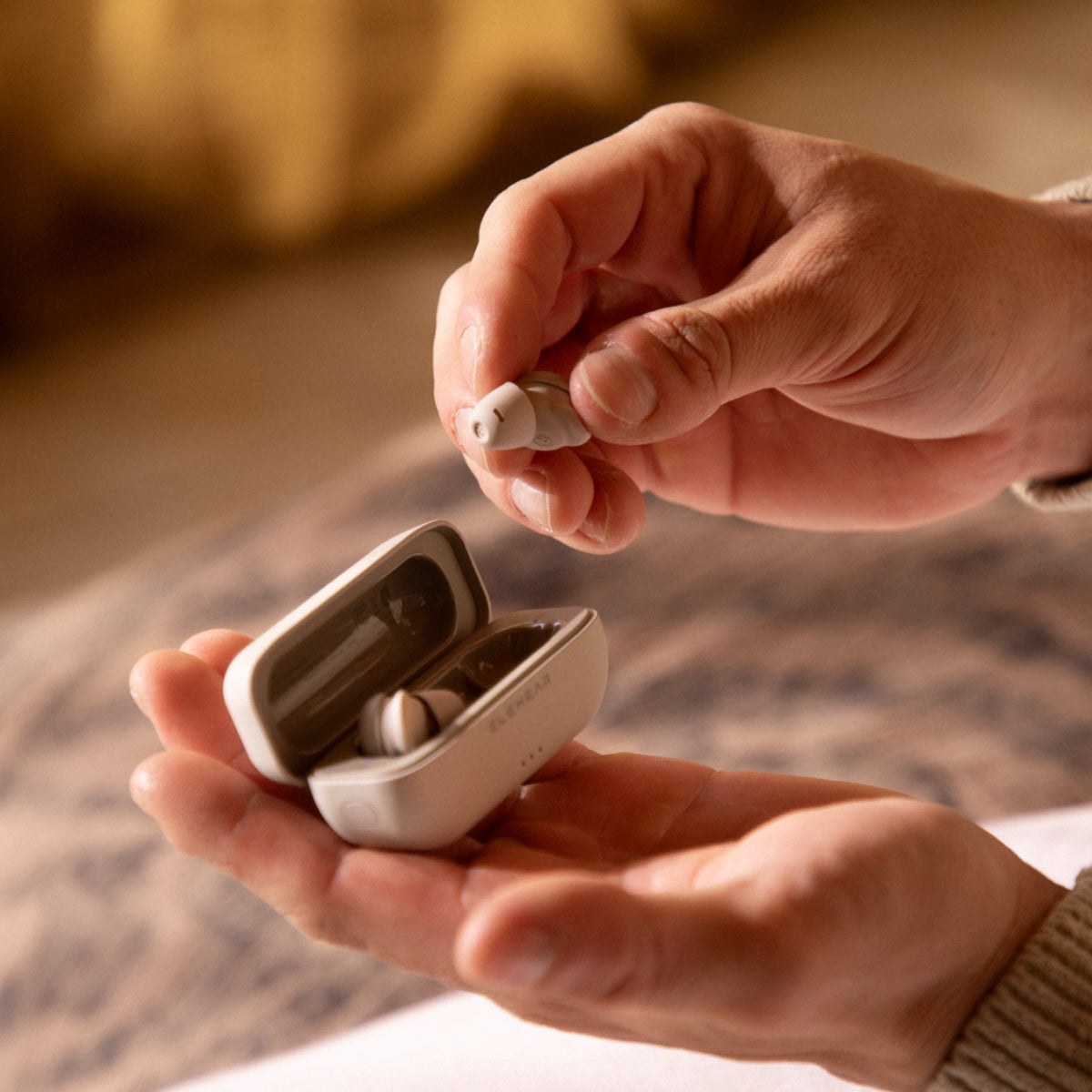
Finding a hearing aid that genuinely bridges the gap between affordability and recognized excellence is rare, which is why the ELEHEAR Delight deserves particular attention from caregivers navigating this decision. This device has earned industry recognition while maintaining a price point that doesn’t require families to drain savings accounts or take on debt. For caregivers seeking reliable product recommendations, it represents a compelling case study in how modern engineering can deliver award-winning performance without the traditional premium price tag. Its speech enhancement technology directly addresses the most common frustration caregivers report—watching loved ones struggle to follow conversations despite wearing hearing aids. The device was designed with real-world use in mind, prioritizing the situations that matter most to families: clear dialogue during meals together, comfortable all-day wear, and simple operation that doesn’t intimidate technology-averse users. It stands out in today’s crowded market precisely because it refuses to force caregivers into choosing between quality and budget.
Key Features: Speech Enhancement and User-Friendly Design
The ELEHEAR Delight’s speech enhancement technology works by intelligently separating human voices from surrounding noise, then amplifying speech frequencies while suppressing competing sounds. In practical terms, this means your loved one can hear you clearly across the dinner table even when the television is on or grandchildren are playing nearby. The technology adapts continuously to changing environments, so transitioning from a quiet bedroom to a busy kitchen doesn’t require manual adjustments. Beyond sound quality, the device prioritizes physical comfort through lightweight construction and multiple ear tip sizes that accommodate different ear canal shapes—critical for loved ones who previously abandoned hearing aids because they felt intrusive or painful. The controls are deliberately simplified, avoiding the multi-button complexity that frustrates older adults. Customization options allow fitting adjustments without mandatory audiologist visits, reducing ongoing costs and scheduling burdens for caregivers already stretched thin. These combined features reinforce why this device consistently appears in reliable product recommendations: it solves the problems caregivers actually face rather than showcasing technology for its own sake.
Solution Steps for Caregivers: How to Choose the Right Hearing Aid
Making the right choice becomes far less intimidating when you break the process into concrete, manageable steps. Rather than drowning in product comparisons and technical jargon, approach this decision systematically—starting with your loved one’s actual needs, moving through informed research, and finishing with hands-on testing that eliminates guesswork. This structured approach transforms an emotional, overwhelming experience into a practical project with clear milestones and measurable outcomes.
Step 1: Assess Your Loved One’s Hearing and Lifestyle Needs
Before browsing any products, spend time observing and documenting when your loved one struggles most. Do they miss conversation during family dinners, or is the television volume their primary issue? Note whether their hearing loss appears mild—requiring occasional repetition—or more significant, affecting daily independence. Consider their physical abilities: can they manage small buttons, or do they need larger, simpler controls? Their social calendar matters too. Someone who attends weekly gatherings, visits doctors frequently, or participates in group activities needs more sophisticated sound processing than someone whose world centers on home. Ask about cosmetic preferences as well—some individuals refuse visible devices, while others prioritize function over appearance. A hearing screening, available through many pharmacies or telehealth services, provides baseline information about loss severity and type, helping you narrow options before spending hours researching unsuitable products.
Step 2: Research and Compare Products with Keywords in Mind
With your loved one’s profile clear, search specifically for devices matching those needs. Using terms like affordable hearing aids narrows results to budget-conscious options, while searching for award-winning hearing aids surfaces independently validated performers. Cross-reference both categories to find overlap—devices that appear in both searches represent particularly strong candidates. Read caregiver-specific reviews rather than audiophile assessments, focusing on feedback about ease of setup, comfort during extended wear, and real-world speech clarity. Compare warranty terms, included accessories, and ongoing costs like batteries or subscription services. Create a shortlist of three to five options that match your budget, your loved one’s lifestyle requirements, and your confidence threshold based on independent recognition or verified user experiences.
Step 3: Leverage Risk-Free Trials for Confidence in Purchase
The single most powerful tool available to caregivers is the risk-free trial period. Many modern hearing aid brands offer trial windows that let your loved one test the device in their actual daily environments—not a showroom or clinic. During this period, observe how they respond in the specific situations you identified in step one. Can they follow conversation at dinner? Do they wear the device comfortably for full days without complaint? Are they able to operate controls independently? Document any issues and contact customer support to explore adjustments before deciding. A genuine risk-free trial means you can return the device for a full refund if it doesn’t meet expectations, completely eliminating the financial gamble that makes hearing aid purchases so stressful. Treat the trial as a structured evaluation rather than a passive waiting period, and you’ll reach your final decision with certainty rather than hope.
The Importance of a Risk-Free Trial: Ensuring Satisfaction Before Purchase
Risk-free trials represent the most caregiver-friendly innovation in the hearing aid industry because they shift the entire burden of proof from buyer to manufacturer. Instead of committing hundreds of dollars based on specifications and reviews alone, you get confirmation through lived experience. Your loved one wears the device during real conversations, real outings, and real quiet evenings—building genuine evidence of whether it works for their unique situation. This eliminates the regret cycle that plagues so many hearing aid purchases, where devices end up abandoned in drawers because they never performed as expected outside a store demonstration. For caregivers already managing complex responsibilities, knowing you can return a product without penalty transforms the decision from a high-stakes gamble into a low-risk exploration.
Empowering Caregivers to Choose Quality Hearing Aids Within Budget
Choosing a hearing aid for someone you love doesn’t require choosing between your budget and their quality of life. As this guide has shown, the landscape has evolved—affordable hearing aids now deliver genuine performance, and award-winning hearing aids have become increasingly accessible to families who once considered them out of reach. Devices like the ELEHEAR Delight demonstrate that speech enhancement technology, comfortable design, and independent recognition can exist within a single product that respects your financial boundaries. The key takeaways for every caregiver are straightforward: assess your loved one’s real-world needs honestly, research options using both affordability and proven quality as filters, and never commit financially without leveraging a risk-free trial that lets daily life confirm your choice. You have more power in this decision than the overwhelming marketplace suggests. Trust the process of structured evaluation, lean on independently validated recommendations, and remember that the best hearing aid isn’t the most expensive one—it’s the one your loved one actually wears, enjoys, and benefits from every single day.
The Hear UP is a leading technology publication house. Our origin dates back to 2016 as a small forum for technology enthusiasts. Since then, The Hear UP has transformed into a trusted source for emerging tech and science news.
The majority of our news is provided by staff writers. Other news is provided by news agencies and freelancers.
All of our contributors are members of the Society of Professional Journalists.
If you need to contact a news editor from The Hear UP you can find a list of email addresses on our contact page.
Our Organisation
The Hear UP