
NEWS
From Nursing to Work: Maternity Bras That Do It All

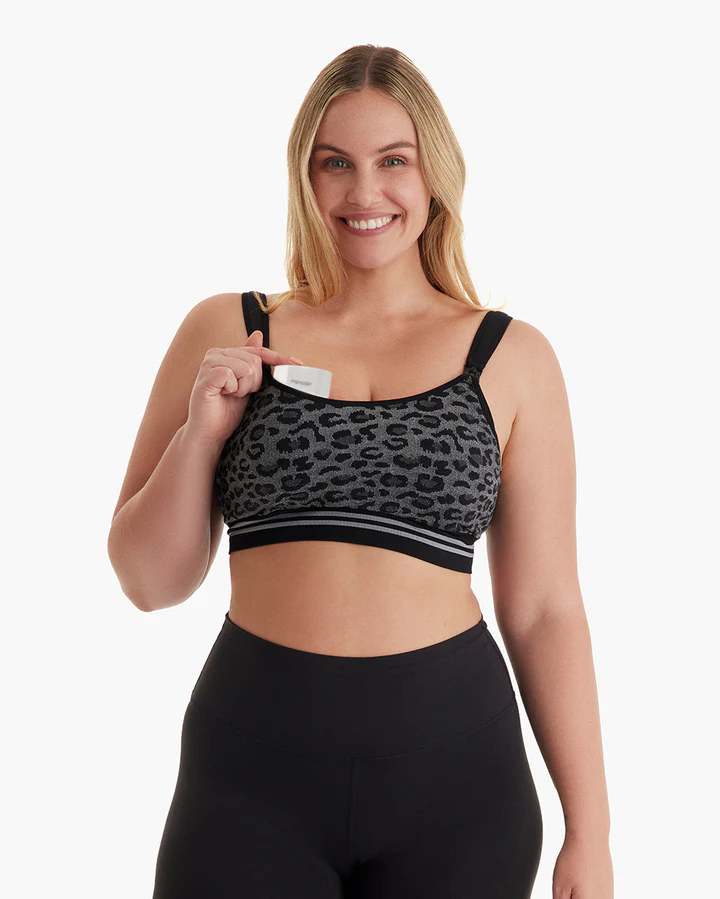
Picture this: It’s 9 AM, you’re in back-to-back meetings, and your body is reminding you it’s time to pump. You slip away to a storage closet, fumbling with a bra that wasn’t designed for this moment—clips that snag, straps that dig in, and absolutely no way to stay discreet under your blazer. Sound familiar? For millions of working mothers, this daily juggling act between breastfeeding and professional responsibilities is exhausting, not because of the commitment itself, but because the wrong gear makes everything harder.
The discomfort of ill-fitting nursing bras, the anxiety of finding a private pumping space, and the struggle to maintain a polished appearance at work are real, daily frustrations. Many mothers find themselves owning separate bras for nursing at home and working at the office—an inconvenient and costly compromise.
The good news? Advanced maternity bras designed with dual functionality are changing the game. This guide walks you through everything you need to know: which features truly matter, how to nail your size fit as your body changes, and how to build these bras seamlessly into your work routine. Whether you’re returning to the office after maternity leave or already deep in the balancing act, the right bra can make efficient pumping and professional confidence feel effortlessly achievable.
Understanding the Needs of Working Mothers: The Core Challenges
Working mothers who breastfeed occupy a uniquely demanding space—they’re navigating professional responsibilities while their bodies are still very much in postpartum mode. This isn’t a niche group; it’s a growing population of women who need gear that genuinely keeps up with their lives. A standard bra simply doesn’t cut it when your day involves presentations, commutes, and scheduled pumping sessions squeezed between meetings.
What these women need goes beyond basic support. Functionality has to come first—specifically, a bra that allows quick, clean access for nursing or pumping without requiring a full wardrobe change. Discretion matters just as much; no one wants visible hardware or awkward bulk showing through a tailored blazer. Comfort over long hours is non-negotiable, too. Underwires that dig in or bands that constrict become genuinely painful when breasts are full and sensitive.
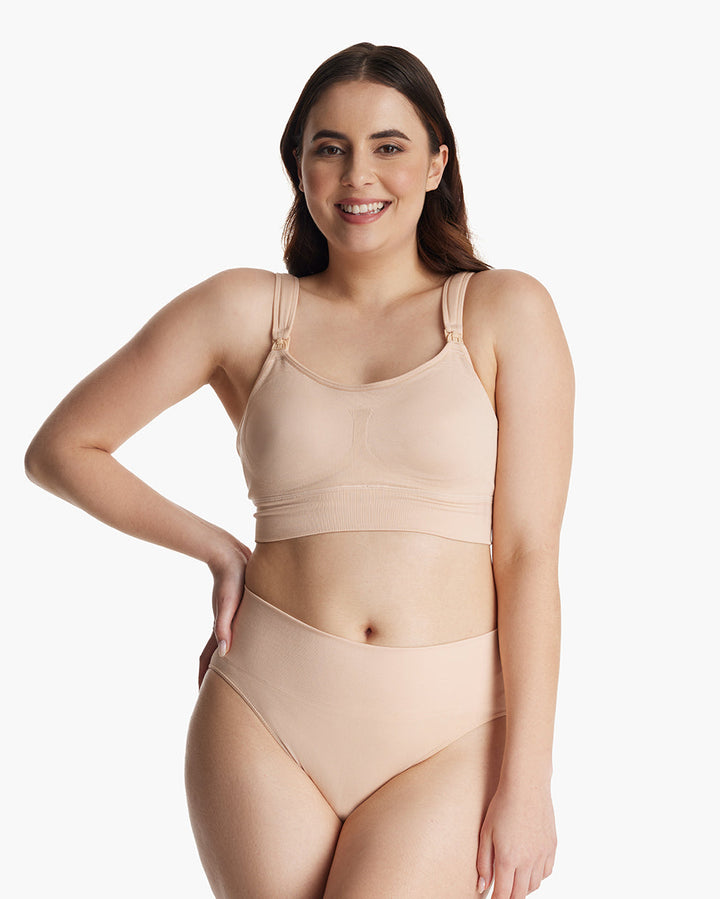
There’s also an emotional dimension worth acknowledging. The stress of feeling unprepared or exposed at work can chip away at confidence and, over time, at breastfeeding motivation. Every minute spent wrestling with an uncooperative bra in a cramped bathroom adds unnecessary friction to an already full day. Specialized maternity bras don’t just solve a wardrobe problem—they reduce mental load, protect time, and help working mothers show up fully in both roles.
Essential Features of a Do-It-All Maternity Bra
Not all nursing bras are built equal, and for working mothers, the difference between a good one and the right one is felt within the first hour of wear. The features that matter most aren’t flashy—they’re the details that quietly solve real problems throughout a demanding workday.
Easy-access design sits at the top of the list. Whether it’s a drop-down cup, a pull-aside panel, or a front clasp, the mechanism should work with one hand and stay secure the rest of the time. Fumbling with complicated hardware in a workplace restroom isn’t just inconvenient—it eats into precious pumping time. Equally important is compatibility with wearable pumps. Modern hands-free pumps like wearable models tuck directly into the bra cups, meaning the bra itself needs structured, deep cups with enough flexibility to hold the flanges snugly in place without shifting mid-session.
Fabric choice carries more weight than most people expect. Breathable, moisture-wicking materials keep you comfortable through long hours, while a degree of stretch ensures the bra adapts as your body fluctuates throughout the day. Seamless or low-profile construction is equally critical for working environments—visible seams, bulky clasps, or thick padding create obvious lines under fitted tops and blazers.
Why Efficient Pumping Support Matters
A bra that actively supports efficient pumping isn’t a luxury—it’s a functional necessity. Proper flange positioning, maintained by a well-fitted bra, encourages consistent milk flow and can meaningfully cut session time. Many wearable pump brands, including Momcozy, are designed to integrate with nursing bras that offer structured cup depth and firm side support, making compatibility a key factor when choosing between options.
Mastering Size Fit: A Step-by-Step Guide for Perfect Comfort
Getting the right size fit isn’t a one-time task during pregnancy—it’s an ongoing process. Breast size can shift dramatically in the weeks after birth and continue fluctuating as your milk supply regulates, making regular remeasurement essential. A bra that fit perfectly at week two postpartum may be uncomfortably tight by week six, and an ill-fitting nursing bra doesn’t just cause discomfort; it can contribute to blocked ducts and reduced milk output.
Start by measuring your underbust—the circumference directly beneath your breasts—while exhaling normally. This gives your band size. Then measure the fullest part of your bust, ideally when your breasts are full but not engorged, as engorgement can add a full cup size temporarily. The difference between these two measurements determines your cup size. Aim to remeasure every four to six weeks in the early months of breastfeeding, or any time you notice the band riding up, straps digging in, or cups gaping.
Adjustable features are your best allies. Look for bras with multiple hook-and-eye closures on the band—starting on the loosest setting gives you room to tighten as your ribcage contracts postpartum. Wide, padded straps with smooth-glide adjusters let you fine-tune fit throughout the day without fumbling. Avoid the common mistake of sizing up in the band to compensate for a snug cup; this sacrifices support entirely. Instead, go up in cup size while keeping the band firm. A correctly fitted nursing bra should feel snug but never restrictive, with cups that fully encapsulate the breast and no spillage at the sides or top.
Practical Solutions: Integrating Maternity Bras into Your Work Routine
Wearing the right bra is only half the equation—knowing how to work it into your professional day is what turns a good purchase into a genuine quality-of-life upgrade. The most immediate step is building your pumping schedule around natural breaks in your workday rather than trying to squeeze sessions into impossible gaps. Most lactation consultants recommend pumping every three to four hours, so map that against your calendar at the start of each week, blocking fifteen to twenty minutes as non-negotiable appointments. A bra with integrated pump holders lets you stay hands-free during those sessions, meaning you can review emails or prep for the next meeting while pumping—saving time without sacrificing output.
Discretion starts before you walk out the door. Choose bras in neutral tones—black, nude, or soft white—that disappear under work blouses and fitted tops. Avoid lace or textured fabrics that telegraph through lightweight materials. A smooth, seamless cup with a low-profile clasp sits flat against your body, and layering a structured camisole underneath your blazer adds an extra buffer that makes accessing the bra’s nursing clips fast and invisible. Keep a small, opaque pouch in your work bag for carrying pump parts cleanly between sessions and storing used flanges hygienically until you can rinse them.
Maintaining hygiene at work doesn’t require elaborate setups. Silicone pump components can be stored in a sealed zip bag in a refrigerator between sessions if you can’t rinse immediately—milk residue stays safe for up to four hours this way. A quick wipe with a fragrance-free cleansing cloth handles flanges in a pinch.
Wardrobe Compatibility and Styling Tips
Button-down blouses are a working mother’s best friend—they allow clip access without removing any layer. For sheath dresses, a coordinating cardigan or blazer creates a natural visual break while giving you a discreet layer to work beneath. If your bra has convertible straps, switching to a racerback configuration pairs cleanly with sleeveless tops without showing hardware. Confidence in professional settings grows naturally when your outfit and your bra are working together rather than against each other.
Top Recommendations and How to Maximize Their Use
When it comes to maternity bras for working mothers, two categories stand out as genuinely versatile: hands-free pumping bras and seamless nursing bras with integrated support. Hands-free pumping bras are built specifically to hold wearable pump flanges securely while keeping both hands available—ideal for multitasking during scheduled sessions. Seamless nursing bras, on the other hand, prioritize all-day wearability with drop-down or pull-aside cups that function discreetly under professional attire without the visible structure of a dedicated pumping bra.
When evaluating options, focus on three practical criteria: the durability of the nursing clips after repeated daily use, the quality of the fabric under washing cycles, and how straightforwardly the bra accommodates your specific pump model. A bra that works flawlessly with one wearable pump brand may not hold a different flange shape securely—Momcozy’s nursing bras, for instance, are specifically engineered to pair with their wearable pump lineup, which is worth factoring in if you’re already using their pump system. Checking compatibility before committing is always worth the effort.
Care and maintenance directly affect how long these bras stay functional. Hand washing in cool water with a gentle detergent preserves elasticity far better than machine cycles, and air drying prevents the band from losing its firmness. Rotating between two or three bras daily—rather than relying on one—extends the lifespan of each significantly. Test your chosen options through a full workday before committing to a larger investment.
The Right Support for Your Breastfeeding Journey
Balancing breastfeeding and a demanding professional life is genuinely hard work—but your bra shouldn’t be adding to the difficulty. Throughout this guide, we’ve covered the core challenges working mothers face, from discretion and comfort to the practical demands of pumping between meetings. We’ve explored the features that actually matter in a maternity bra: one-handed access, wearable pump compatibility, breathable fabrics, and seamless construction that disappears under professional attire. We’ve walked through how to measure accurately, adjust as your body changes, and avoid the common sizing mistakes that lead to discomfort and supply issues. And we’ve looked at how to work these bras into a real daily routine—scheduling smartly, styling strategically, and maintaining hygiene without elaborate effort.
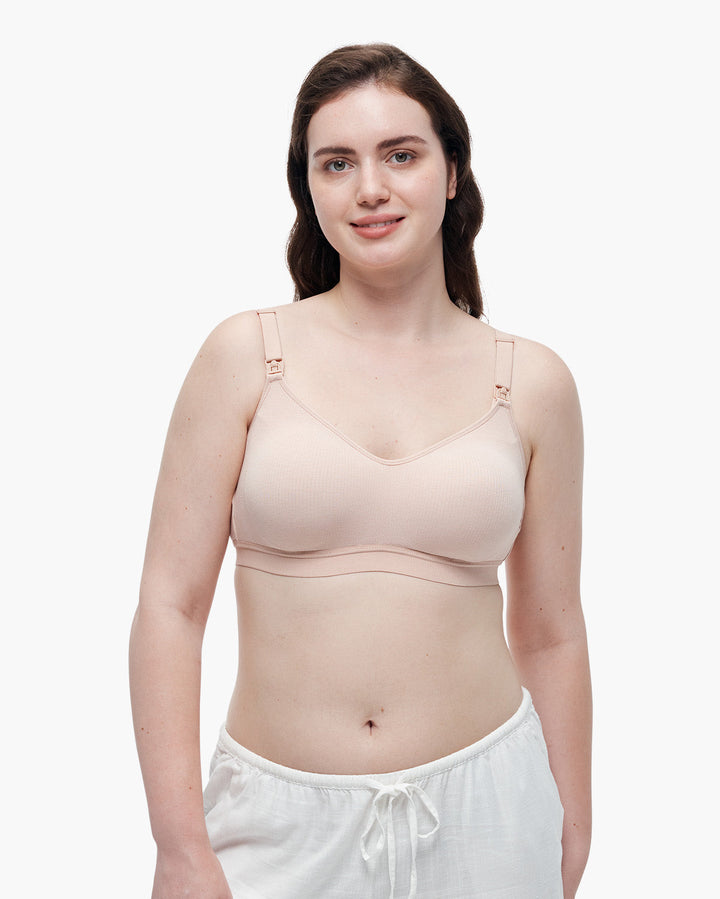
The right maternity bra isn’t a minor convenience—it’s a meaningful investment in your well-being and your breastfeeding journey. When your gear supports you properly, you spend less mental energy on logistics and more on the work in front of you and the moments that matter at home. You deserve both.
Take what you’ve learned here and apply it practically: remeasure this week, identify the features your current bra may be missing, and test a new option through a full workday before committing. Small, informed choices add up to a noticeably smoother experience. You’re doing something remarkable—give yourself the tools to do it with confidence.
The Hear UP is a leading technology publication house. Our origin dates back to 2016 as a small forum for technology enthusiasts. Since then, The Hear UP has transformed into a trusted source for emerging tech and science news.
The majority of our news is provided by staff writers. Other news is provided by news agencies and freelancers.
All of our contributors are members of the Society of Professional Journalists.
If you need to contact a news editor from The Hear UP you can find a list of email addresses on our contact page.
Our Organisation
The Hear UP