
Tech
Long-range RFID for vehicle identification and access control

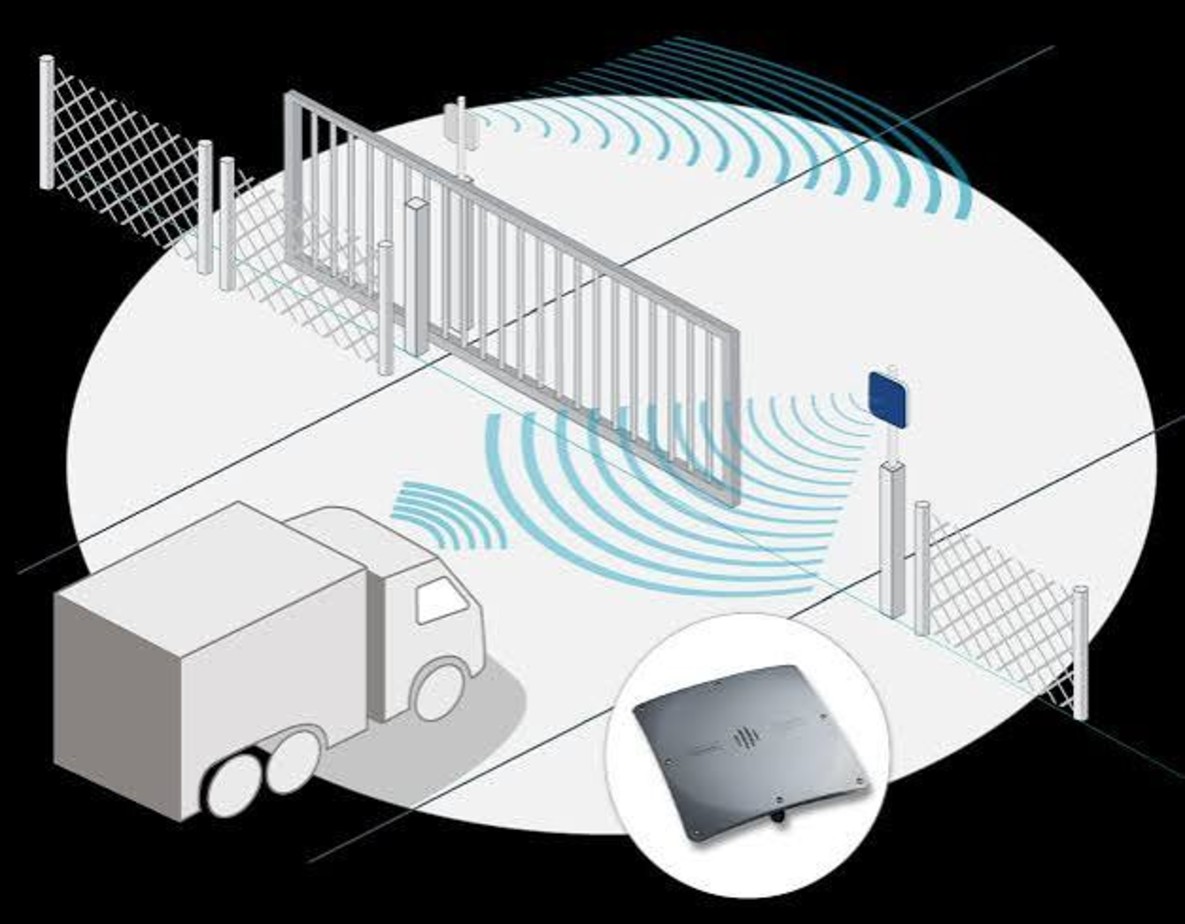
Reliable vehicle identification at distance can turn a busy entrance gate into a smooth, secure throughway. For business parks, logistics sites, industrial facilities and campuses, the challenge is similar: recognise authorised vehicles quickly, reduce manual checks and maintain security without creating queues.
What long-range RFID is
Long-range RFID (radio frequency identification) uses UHF signals to identify a vehicle via a tag, often called a transponder, mounted on or inside the vehicle. As the vehicle approaches an access point, a reader detects the tag and passes the ID to an access control system or barrier.
Unlike short-range systems, long-range RFID is designed for hands-free identification. Drivers do not need to stop, open a window or present a card. That improves throughput and reduces bottlenecks.
Where it delivers the most value
Long-range RFID works best at locations where vehicles move in predictable flows and access rules are clearly defined. Common applications include parking and campus management, logistics and distribution centres, industrial sites and secured business parks.
An important consideration is hardware that remains reliable in practice, across multiple lanes, varying speeds and changing weather conditions. For consistent identification and stable gate automation, a dedicated long range RFID reader often forms the basis of a sound design.
How a typical system works
A long-range RFID setup is more than a reader on a post. A robust design typically consists of:
- Vehicle tags linked to a person, vehicle or fleet account
- A reader with antennas positioned to cover the lane and read zone effectively
- Software that translates reads into actions, such as opening a barrier, logging an event or denying access
- Integration with access control, parking management or security dashboards
For decision-makers, integration is often the deciding factor. Choose solutions with standard interfaces that connect to existing access logic, rather than forcing a complete replacement.
A practical purchase checklist
Clarify upfront:
- Required read range and lane coverage
- Vehicle speed at the point of reading
- Environment, including metal structures, fencing and nearby RF sources
- Credential management for issuing, revoking and auditing tags
- Security rules such as time schedules, anti-passback or multi-factor controls
Start with flow, not the spec sheet
Long-range RFID is a proven way to reduce congestion at gates while gaining better control over who enters and when. With a well-designed read zone, reliable hardware and solid integration, the result is a frictionless security layer that scales from a single entrance to multi-site environments.
Before an upgrade, map vehicle flows and access rules first, then evaluate options on reliability, integration and total cost of ownership, not just the stated read range.