
NEWS
Smarter Streets: How Flexible Traffic Infrastructure Is Transforming Urban Safety

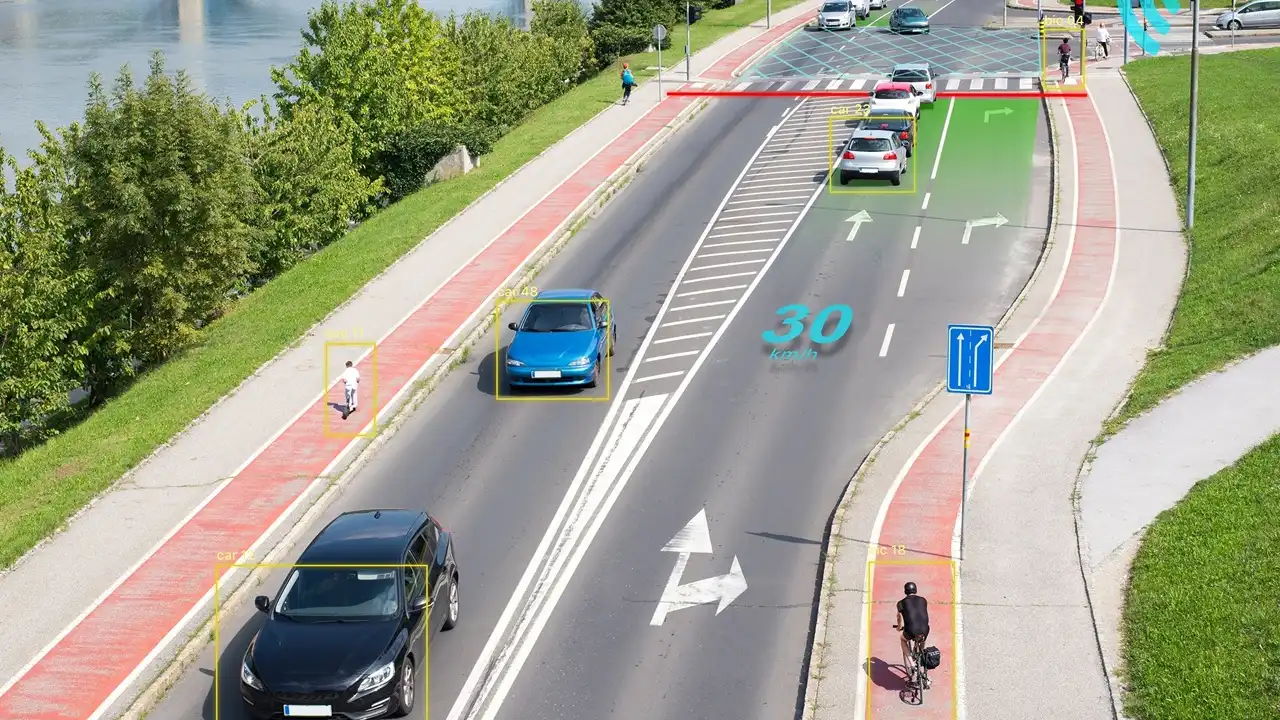
Cities around the world are rethinking the way they manage public space, pedestrian flow, and vehicle access. As urban populations grow and community events become more frequent, the pressure on city planners and traffic engineers to balance openness with security has never been greater. Fortunately, modern traffic infrastructure has evolved to meet this challenge in ways that are both practical and visually unobtrusive, giving municipalities powerful tools to protect people without turning streets into fortresses.
The Growing Need for Adaptable Street Design
Traditional urban planning once relied heavily on permanent fixtures to control traffic flow. Concrete barriers, fixed posts, and painted lane markings served their purpose for decades, but they lack the flexibility that contemporary city management demands. Today, a street might need to accommodate a farmers market on Saturday morning, a road race on Sunday afternoon, and standard vehicle traffic for the rest of the week. Static infrastructure simply cannot keep up with this kind of dynamic scheduling.
This shift in thinking has driven significant investment in adaptable street design. City planners are increasingly prioritizing solutions that can be deployed, removed, and repositioned without heavy machinery or lengthy construction timelines. The result is a new generation of traffic management tools that give municipalities real-time control over how their streets function on any given day.
How Removable Bollards Are Changing the Game
Among the most versatile tools in the modern traffic management toolkit, bollards have undergone a quiet revolution. Where once they were exclusively permanent fixtures, today’s options include highly engineered systems designed for frequent installation and removal. Removable traffic bollards allow cities, property managers, and event organizers to create temporary pedestrian zones, close off vehicle access during events, and protect vulnerable areas without committing to permanent changes in street layout.
These systems are engineered to be robust enough to act as genuine vehicle deterrents while remaining easy enough for small crews to handle without specialized equipment. The practical benefits extend across a wide range of applications, from protecting outdoor dining areas and school zones to securing concert venues and public squares during high-attendance gatherings. Because they can be stored and redeployed as needed, they represent a cost-effective long-term investment compared to constructing and demolishing permanent barriers repeatedly over time.
Safety Benefits Beyond Vehicle Control
The safety advantages of flexible bollard systems go well beyond simply stopping cars from entering pedestrian areas. When properly deployed, they create clear visual cues that guide foot traffic, reduce confusion at complex intersections, and help emergency responders identify access routes quickly. This kind of structured clarity can make a measurable difference in how safely large crowds navigate public spaces.
Pedestrian safety is a growing public health concern in urban environments, and the U.S. Department of Transportation has consistently emphasized the importance of infrastructure-based interventions as a first line of defense in reducing traffic-related injuries and fatalities. Physical barriers that separate people from vehicles are among the most reliable methods available because they do not depend on driver behavior or compliance. They simply make certain outcomes physically impossible, which is the most dependable form of protection.
Beyond large-scale events, removable bollard systems are proving valuable in everyday settings. Schools use them to create safe drop-off and pick-up zones during peak hours. Hospitals deploy them to protect emergency vehicle lanes from being blocked by general traffic. Business districts use them to convert parking lanes into temporary outdoor retail space on weekends. The flexibility of these systems means that the same physical infrastructure can serve multiple safety functions throughout its working life.
Environmental and Community Benefits of Flexible Urban Infrastructure
There is an often-overlooked environmental dimension to choosing adaptable traffic infrastructure over permanent construction. Every time a city installs a permanent barrier and later removes it to accommodate a change in use, that process generates construction waste, consumes fuel, and creates disruption for nearby residents and businesses. Reusable systems dramatically reduce this cycle of installation and demolition.
From a community perspective, flexible infrastructure also signals a different kind of civic relationship between city governments and the people they serve. When residents see that streets can be transformed for community events and then returned to normal without major disruption, it builds confidence in the city’s ability to manage public space thoughtfully. Outdoor markets, cultural festivals, athletic events, and neighborhood gatherings all become more feasible when the logistical barrier of traffic management is reduced to a manageable, repeatable process.
This approach also supports broader urban sustainability goals. Cities that invest in reusable infrastructure systems reduce their long-term material consumption and lower the carbon footprint associated with repeated construction activity. For municipalities working toward sustainability benchmarks, every component of city management that can be made more efficient and less wasteful contributes to those larger targets.
Planning and Implementation Best Practices
Getting the most out of flexible bollard systems requires thoughtful planning at the outset. Traffic engineers and event coordinators should work together to map out the specific access points that need to be controlled, the frequency with which those controls will change, and the load-bearing requirements for each location. Not all bollard systems are created equal, and selecting the right specification for each application ensures both safety performance and operational longevity.
Storage logistics are another important consideration. Unlike permanent fixtures, removable systems need a secure, accessible home when not in use. Many municipalities find it effective to designate central storage facilities that serve multiple departments, allowing police, parks, and public works teams to draw from a shared inventory. This approach maximizes the return on investment and ensures that equipment is maintained in good condition between deployments.
Training is equally important. Staff responsible for installing and removing bollard systems should be familiar with the specific hardware they are working with, including locking mechanisms, ground socket maintenance, and proper handling techniques. Well-trained crews can complete installations quickly and safely, reducing the time required to prepare a site and minimizing the risk of improper setup that could compromise the system’s protective function.
As cities continue to evolve, the infrastructure that supports daily life must evolve with them. Flexible, reusable traffic management solutions represent one of the most practical and forward-thinking investments that urban planners and community leaders can make. They protect people, enable vibrant public life, and do so in a way that respects both the budget constraints and the environmental responsibilities of modern governance. The streets of tomorrow will be defined not just by the buildings that line them, but by the intelligent, adaptable systems that keep the people on them safe.
University of Houston graduate with 5 years of blogging experience, excelling in content strategy, SEO, and audience engagement. Connect with me on LinkedIn.