
Home Improvement
Upgrade Your Kitchen with the Best Professional Woks

A wok is more than just a pan—it’s the heartbeat of any professional kitchen where speed, precision, and flavor converge. Whether you’re chasing the elusive wok hei on a blistering stir-fry, deep-frying tempura to golden perfection, or gently steaming dumplings, the quality of your wok dictates the outcome. Yet for chefs navigating today’s marketplace, the sheer volume of options can overwhelm even the most seasoned culinary professional. Carbon steel or cast iron? Flat-bottom or round? Hand-hammered or machine-pressed? The distinctions matter enormously when you’re cooking at high volume and demanding consistent results night after night.
This guide cuts through the marketing noise to reveal what genuinely makes a wok worthy of the “professional” label. We’ll dissect the materials, construction features, and design elements that separate workhorses from novelties. Beyond selection, you’ll find practical strategies for purchasing the best woks online—including tips on bulk ordering, trusted platforms, and smart logistics—so you can equip your kitchen efficiently and confidently. Whether you’re outfitting a new restaurant or replacing a worn favorite, the right knowledge transforms this purchase from a gamble into an investment.
The Anatomy of a Top-Tier Professional Wok
What elevates a wok from adequate to exceptional isn’t branding or price—it’s the convergence of material science, engineering, and thoughtful design. The best woks share a set of non-negotiable characteristics that professionals rely on shift after shift.
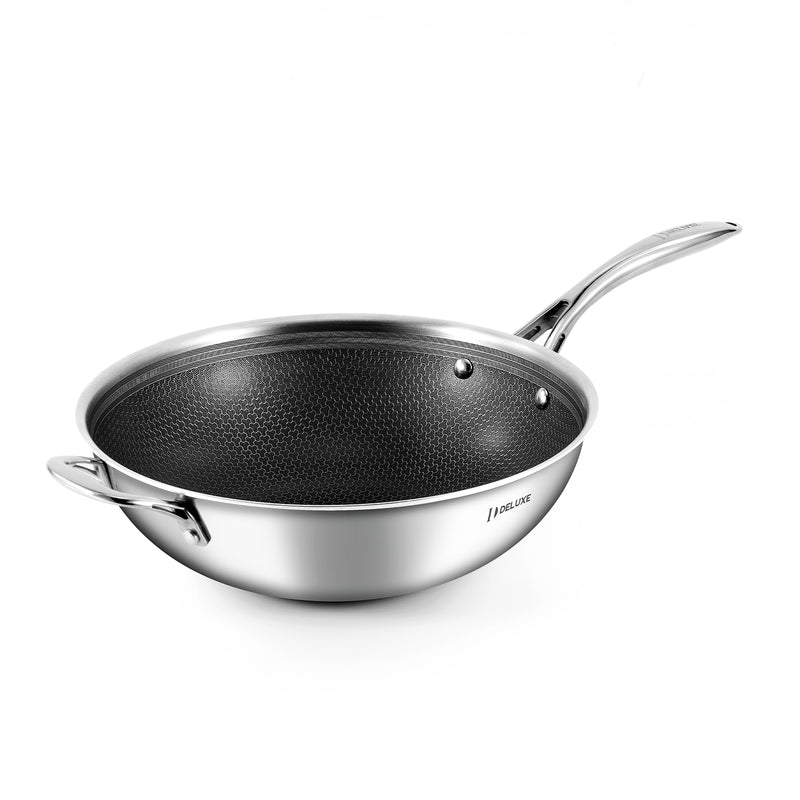
Material choice forms the foundation of performance. Carbon steel remains the gold standard for most professional applications: it’s lightweight enough for one-handed tossing, conducts heat rapidly, and develops a seasoned patina that rivals synthetic non-stick surfaces over time. Cast iron delivers unmatched heat retention, making it ideal for deep-frying and braising, though its weight limits agility during fast stir-fry work. Clad stainless steel—layers of aluminum sandwiched between steel—offers even heat distribution and corrosion resistance, but sacrifices the thermal responsiveness that experienced wok cooks demand. Each material carries trade-offs, and the “right” choice depends entirely on your dominant cooking techniques and heat source.
Beyond material, heat responsiveness determines how quickly a wok recovers temperature when cold ingredients hit the surface. A professional wok should return to searing temperatures within seconds, not minutes—this is what preserves texture and prevents steaming. Weight distribution matters equally; a well-balanced wok pan with its center of gravity near the handle allows a chef to execute rapid tosses without wrist fatigue during a twelve-hour service. Ergonomic handle design—whether a long wooden stick handle for stir-frying or a loop helper handle for lifting—must account for heat insulation and grip security when hands are oily or gloved. Finally, gauge thickness plays a critical role: too thin and you get hot spots that scorch food unevenly; too thick and you lose the nimble heat control that defines masterful wok cooking. These elements collectively establish the benchmark that separates the best woks from everything else on the shelf.
Navigating Your Options: Finding the Best Woks for Your Kitchen
Choosing the right wok means matching your primary cooking methods, heat source, and kitchen workflow to a specific design philosophy. The best woks aren’t universal—they’re purpose-built. Here’s how the major categories stack up for professional use.
The Classic Powerhouse: Traditional Carbon Steel Woks
Carbon steel dominates professional kitchens worldwide for good reason. Its thin walls heat almost instantaneously and cool just as fast, giving chefs granular control over temperature transitions—essential when you’re moving from a hard sear to a gentle sauce reduction in the same vessel. Over time, a properly maintained carbon steel wok develops a polymerized oil layer that creates a naturally slick cooking surface rivaling any synthetic coating, without the risk of degradation at extreme temperatures. This material thrives under intense flame, making it the definitive choice for high-BTU wok burners. Maintenance is straightforward but non-negotiable: an initial multi-layer seasoning process followed by consistent post-cook oiling keeps the patina intact. Avoid soap, use hot water and a bamboo brush, and your carbon steel wok will outlast your career.
Modern Convenience: Evaluating the Best Non-Stick Woks
Non-stick woks serve a legitimate role in professional settings where delicate proteins, egg-based dishes, or health-conscious menus demand minimal oil usage and effortless food release. Today’s professional-grade non-stick coatings have evolved considerably—reinforced ceramic and PFOA-free fluoropolymer surfaces withstand higher temperatures and resist scratching better than their predecessors. However, honesty matters here: no non-stick coating matches carbon steel’s longevity under daily commercial abuse. Maximum heat thresholds typically cap around 500°F before coating integrity degrades, which limits true wok hei development. Extend their lifespan by using silicone or wooden utensils exclusively, avoiding thermal shock from cold water on hot surfaces, and accepting that replacement cycles of twelve to eighteen months are normal in high-volume environments. Non-stick woks work best as specialized tools within a broader arsenal rather than primary workhorses.
Specialized Picks: Round-Bottom vs. Flat-Bottom and Other Designs
Your cooktop dictates this decision more than personal preference. Round-bottom woks nestle into wok rings on open gas burners, concentrating flame contact across the curved surface for maximum heat coverage and enabling the classic tossing motion that redistributes food through the hottest zone. They’re essential for traditional technique. Flat-bottom woks sit stable on electric coils, ceramic glass, and induction cooktops, providing direct contact with the heat element—a necessary compromise that sacrifices some curved-surface cooking dynamics but opens wok cooking to any kitchen configuration. Hand-hammered woks deserve mention for their slightly textured interior, which enhances oil adhesion and seasoning grip compared to machine-spun alternatives. For kitchens running specialized menus, oversized woks exceeding sixteen inches accommodate high-volume batch cooking without overcrowding the cooking surface.
The Professional’s Guide to Buying Woks Online
Knowing what makes a great wok is only half the equation—acquiring it efficiently, especially when outfitting an entire kitchen line, requires a strategic approach to online purchasing. The digital marketplace offers unprecedented access to professional-grade cookware, but navigating it demands the same precision you bring to your craft.
Step 1: Researching and Selecting Your Ideal Wok
Start by narrowing your search through detailed product specifications rather than marketing claims. Look for exact measurements of gauge thickness, handle construction materials, and total weight—these data points reveal more than any product photo. Cross-reference brands that consistently appear in professional contexts: Craft Wok for hand-hammered traditional pieces, Deluxe Cookware for their well-regarded carbon steel professional line, and Joyce Chen for accessible mid-range options that hold up in commercial environments. Beyond spec sheets, seek out video demonstrations from working chefs rather than sponsored influencers—watch how the wok responds to tossing, how quickly oil shimmers across the surface, and whether the handle shows any flex under load. Professional culinary forums and restaurant owner communities often provide unfiltered feedback on long-term durability that polished reviews omit.
Step 2: Navigating Logistics for Bulk Orders
When purchasing multiple woks for a kitchen team, logistics become a genuine concern. Contact suppliers directly to negotiate bulk pricing—most professional cookware distributors offer tiered discounts starting at quantities of six or more units. Calculate shipping costs carefully, as carbon steel and cast iron woks add significant weight that can inflate delivery fees unexpectedly. Request information about delivery timeframes before committing, particularly if you’re working toward an opening date or seasonal menu launch. Packaging quality deserves specific attention: ask whether items ship individually boxed with protective padding or loose-packed in larger cartons. Woks arriving with dents or warped bases from poor transit protection create immediate waste. Confirm the supplier’s return and damage claim policies in writing before placing large orders, and consider splitting initial purchases into a test order followed by the full commitment once you’ve verified quality firsthand.
Step 3: Trusted Platforms for Your Purchase
Where you buy woks online matters as much as what you buy. Restaurant supply websites like WebstaurantStore and Chef’s Deal cater specifically to commercial buyers, offering bulk quantity options, commercial-grade product lines unavailable on consumer platforms, and customer service teams familiar with professional kitchen needs. Official brand websites provide the most reliable product authenticity guarantees and often feature professional-tier models not distributed through general retailers. For specialized or artisan woks—hand-hammered pieces from specific regional makers—platforms connecting directly with manufacturers give you access to craftsmanship that mass-market channels simply don’t carry. When you buy woks online through any platform, verify that the seller offers proper invoicing for business accounting, check whether commercial warranties differ from consumer guarantees, and confirm that your preferred payment terms are available for larger purchases.
Care and Mastery: Maximizing Your Investment
A professional wok only delivers lasting value if you commit to its upkeep from day one. For carbon steel, the initial seasoning process sets the foundation—heat the wok until it discolors, apply thin layers of high-smoke-point oil like flaxseed or grapeseed, and repeat three to four times until the surface turns dark and glossy. After each service, clean while the wok is still warm using hot water and a stiff bamboo or chain-mail scrubber, never soap or abrasive pads that strip the seasoning. Dry immediately over a flame to prevent rust, then apply a whisper-thin oil coat before storing. For non-stick models, allow complete cooling before washing with soft sponges and mild detergent, and stack with cloth separators to prevent surface scratches.
Storage matters more than most chefs realize—hanging woks on wall-mounted hooks prevents moisture accumulation and base warping from stacking heavy items on top. When seasoning begins to look patchy or food starts sticking in spots, a targeted re-seasoning session restores performance without starting from scratch. This disciplined maintenance cycle transforms your wok from a depreciating kitchen expense into a tool that actually improves with age, delivering better food release and more even heat response the longer you use it.
Choosing the Right Professional Wok for Lasting Performance
The wok you choose becomes an extension of your technique—a decision that reverberates through every dish you send out. Material remains the primary variable: carbon steel for speed and responsiveness, cast iron for heat retention in slow-cook applications, and non-stick for specialized delicate work. Design follows function, with round-bottom woks serving traditional gas setups and flat-bottom models adapting to modern induction and electric configurations. Beyond these physical attributes, consider how the wok fits your workflow—its weight during a full service, its handle under repeated tossing, its recovery time when ingredients flood the surface.
Armed with this framework, approach your next purchase with intention rather than impulse. Define your dominant cooking techniques first, then match material and shape accordingly. When you buy woks online, leverage the strategies outlined here: verify specifications against your actual needs, negotiate bulk terms directly with suppliers, and source from platforms built for commercial buyers. A test order before a full commitment protects your budget and confirms quality. The right professional wok doesn’t just cook food—it amplifies your skill, accelerates your service, and becomes a tool that grows more capable with every shift you share together.
The Hear UP is a leading technology publication house. Our origin dates back to 2016 as a small forum for technology enthusiasts. Since then, The Hear UP has transformed into a trusted source for emerging tech and science news.
The majority of our news is provided by staff writers. Other news is provided by news agencies and freelancers.
All of our contributors are members of the Society of Professional Journalists.
If you need to contact a news editor from The Hear UP you can find a list of email addresses on our contact page.
Our Organisation
The Hear UP