
Business
Heavy Equipment Rental: A Practical Guide for Safer, Smarter, and More Flexible Projects

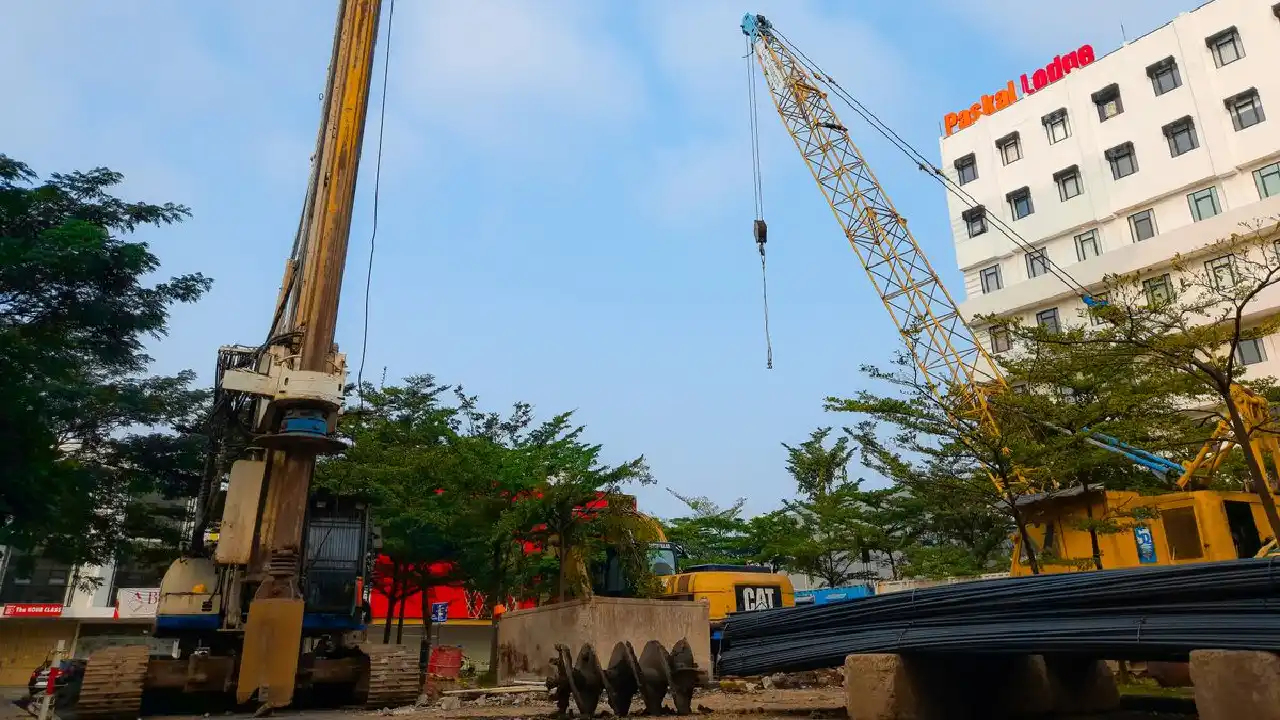
Construction, landscaping, roadwork, demolition, agriculture, and industrial projects often depend on powerful machines. Excavators dig foundations. Loaders move soil and debris. Bulldozers clear land. Forklifts handle materials. Boom lifts help crews reach elevated work areas. Without the right equipment, even a well-planned job can slow down quickly.
Still, buying heavy machinery is not always the best choice.
Heavy equipment rental gives contractors, property owners, and project managers access to the machines they need without the long-term cost of ownership. Instead of investing large amounts of money in equipment that may only be used for one job or one season, businesses can rent the right machine for the right amount of time.
This approach offers flexibility, cost control, and access to modern equipment. It can be especially useful for companies that handle changing project types, seasonal workloads, or occasional specialized tasks.
What Is Heavy Equipment Rental?
Heavy equipment rental is the process of leasing construction, earthmoving, lifting, or industrial machinery for a specific period. Rentals may be short-term, long-term, daily, weekly, monthly, or project-based.
The equipment is usually supplied by a rental company that maintains the machines and makes them available for customers who need temporary use.
Common Types of Rental Equipment
Heavy equipment rental can include many different machines. Common options include excavators, skid steers, bulldozers, backhoes, loaders, trenchers, graders, compactors, forklifts, telehandlers, scissor lifts, boom lifts, dump trucks, and aerial work platforms.
Smaller equipment may also be available, such as concrete saws, generators, light towers, pumps, compressors, and attachments.
The type of equipment needed depends on the project. A landscaping job may require a compact track loader and mini excavator. A road project may need compactors and graders. A warehouse project may require forklifts or telehandlers.
Who Uses Heavy Equipment Rentals?
Rentals are common among general contractors, subcontractors, landscapers, utility crews, municipalities, farmers, warehouse operators, demolition companies, event crews, and property developers.
Even businesses that own equipment may rent additional machines during busy periods or when a project requires something they do not have in their fleet.
Homeowners may also rent compact equipment for land clearing, drainage work, driveway repair, or large outdoor improvements, though operating heavy machinery requires caution and proper training.
Why Renting Equipment Can Make Sense
Buying heavy equipment can be a major investment. Beyond the purchase price, ownership includes insurance, maintenance, storage, transportation, repairs, depreciation, and operator training.
For many projects, renting offers a more practical path.
Lower Upfront Cost
Heavy machinery can cost tens of thousands or even hundreds of thousands of dollars. For smaller companies or short-term jobs, that cost may not be realistic.
Rental allows access to equipment without tying up capital in ownership. This can help businesses preserve cash for labor, materials, marketing, fuel, payroll, and other project needs.
Flexibility for Different Projects
No two projects are exactly the same. One job may require a mini excavator, while the next may need a large wheel loader or aerial lift.
Heavy equipment rental allows companies to match the machine to the work instead of trying to make one owned machine fit every job.
This flexibility can improve efficiency and reduce unnecessary wear on owned equipment.
Reduced Maintenance Responsibility
Equipment ownership comes with maintenance responsibilities. Machines need oil changes, inspections, hydraulic service, tire or track maintenance, repairs, and replacement parts.
With rental equipment, much of the maintenance is typically handled by the rental provider. This can reduce downtime and remove the burden of managing repairs in-house.
Customers still need to use the equipment properly, check fluids as required, and report problems quickly, but they do not carry the full maintenance load of ownership.
Access to Newer Technology
Rental companies often update their fleets to offer reliable and modern equipment. This gives customers access to newer machines with improved safety features, better fuel efficiency, and more advanced controls.
For businesses that cannot afford to buy the latest models, renting can be a useful way to benefit from newer technology.
Common Projects That Use Heavy Equipment Rental
Heavy equipment rental supports many types of work. The right machine can make a job safer, faster, and more precise.
Construction Projects
Construction sites often rely on excavators, loaders, skid steers, telehandlers, forklifts, compactors, and aerial lifts. These machines help with digging, grading, lifting, loading, moving materials, and site preparation.
Renting is especially useful when a project has changing equipment needs at different stages. A site may need excavation equipment early, lifting equipment later, and cleanup equipment near completion.
Landscaping and Land Clearing
Large landscaping projects often require more than hand tools. Skid steers, compact track loaders, mini excavators, trenchers, and dump trailers can help with grading, soil movement, drainage installation, tree removal, and hardscape preparation.
Rental equipment can help landscaping crews take on larger jobs without buying every machine they might need.
Roadwork and Paving
Road and paving projects may require compactors, rollers, graders, milling machines, skid steers, and light towers. These machines help prepare surfaces, compact materials, and support safe work zones.
Because roadwork needs can vary by project size, renting equipment can be more cost-effective than owning a full fleet.
Demolition and Cleanup
Demolition work requires strong, durable equipment. Excavators, skid steers, breakers, grapples, loaders, and dump trucks may be used to tear down structures and remove debris.
Attachments are especially useful in demolition. Renting the right attachment can make the work more efficient and reduce manual labor.
Utility and Trenching Work
Utility projects may involve digging trenches for water lines, sewer lines, electrical lines, fiber optic cables, or drainage systems. Trenchers, excavators, backhoes, and compact loaders are commonly used.
Renting allows crews to choose equipment based on trench depth, soil type, access space, and project length.
Choosing the Right Equipment for the Job
Selecting equipment is one of the most important parts of the rental process. The wrong machine can slow the project, increase fuel use, create safety concerns, or damage the site.
Understand the Scope of Work
Before renting, define the job clearly. What needs to be moved, lifted, dug, graded, compacted, or demolished? How much material is involved? What is the timeline?
The clearer the project details, the easier it is to select the right machine.
Consider Site Conditions
Site conditions affect equipment choice. Tight spaces may require compact machines. Soft or muddy ground may call for tracked equipment instead of wheeled equipment. Uneven terrain may require machines with better stability.
Access points also matter. A large excavator may not be useful if it cannot enter the site.
Match Equipment Size to the Task
Bigger is not always better. Oversized equipment can be harder to maneuver and may damage sensitive areas. Undersized equipment may take too long or struggle with the workload.
For example, a mini excavator may be ideal for residential trenching, while a larger excavator may be needed for deep foundation work. A compact skid steer may work well in tight spaces, while a larger loader may be better for moving heavy material quickly.
Think About Attachments
Attachments can make equipment more versatile. A skid steer may use buckets, forks, augers, trenchers, sweepers, grapples, or hydraulic breakers. Excavators may use buckets, thumbs, hammers, or compactors.
Renting the right attachment can save time and reduce the need for additional machines.
Cost Factors in Heavy Equipment Rental
Rental pricing depends on several details. Understanding these factors can help with budgeting.
Rental Duration
Equipment may be rented by the day, week, or month. Longer rentals often have better daily value, but the best option depends on project timing.
If a job may take several weeks, a weekly or monthly rate may be more practical than extending daily rentals repeatedly.
Equipment Type and Size
Larger and more specialized machines usually cost more to rent. A compact loader may cost less than a large excavator or telehandler.
Attachments, advanced features, and machine capacity can also affect the price.
Delivery and Pickup
Heavy equipment often needs to be transported by trailer or truck. Delivery and pickup fees may apply, depending on distance, machine size, and rental company policies.
If the renter has proper hauling equipment and experience, self-transport may be possible for some machines. However, transport safety should never be taken lightly.
Fuel and Usage
Some rental agreements require the equipment to be returned with a full tank. Others may charge for fuel used.
There may also be limits on operating hours. Extra usage may lead to additional charges.
Insurance and Damage Protection
Rental companies may require proof of insurance or offer rental protection plans. This helps address accidental damage, theft, or other risks.
It is important to understand what is covered and what is not before taking the equipment.
Safety Considerations Before Renting
Heavy equipment can be dangerous when used incorrectly. Safety should always be part of the rental decision.
Operator Training
Only trained and qualified individuals should operate heavy equipment. Operators need to understand controls, load limits, blind spots, stability, terrain risks, and safe operating procedures.
For aerial lifts, forklifts, and certain machines, specific training may be required.
Pre-Use Inspection
Before using rented equipment, inspect it carefully. Check tires or tracks, fluids, lights, alarms, controls, hydraulics, brakes, attachments, and safety features.
Any damage or issue should be reported to the rental company before operation.
Job Site Awareness
Operators should stay aware of workers, pedestrians, overhead lines, underground utilities, slopes, unstable ground, and nearby structures.
Before digging, underground utilities should be located. Striking a gas, water, electrical, or communication line can be extremely dangerous and expensive.
Personal Protective Equipment
Workers around heavy equipment should use appropriate protective equipment. This may include hard hats, safety vests, gloves, eye protection, hearing protection, and steel-toe boots.
Clear communication and visibility are essential on active job sites.
Working With a Rental Company
A good rental company does more than hand over equipment. It helps customers choose the right machine, understand rental terms, and manage the equipment responsibly.
Ask the Right Questions
Before renting, ask about machine capacity, attachment options, delivery, fuel policy, maintenance support, rental protection, operating instructions, and what to do if the equipment breaks down.
Clear answers help prevent confusion later.
Confirm Availability Early
Popular equipment may be booked during busy seasons. Construction and landscaping seasons can create high demand for certain machines.
Booking early can help ensure the equipment is available when the project begins.
Review the Rental Agreement
The rental agreement should explain rates, rental period, responsibilities, damage policies, insurance requirements, pickup and delivery terms, and return conditions.
Reading the agreement carefully can prevent unexpected charges.
Report Problems Quickly
If equipment has a mechanical issue, stop using it and contact the rental company. Continuing to operate a damaged machine can make the problem worse and create safety risks.
Quick reporting helps protect both the renter and the equipment.
Renting vs. Buying Heavy Equipment
Many businesses eventually ask whether they should keep renting or buy their own equipment. The right answer depends on usage, finances, storage, and long-term plans.
When Renting Makes More Sense
Renting often makes sense when equipment is needed occasionally, the project is short-term, the machine is highly specialized, or the business wants to avoid maintenance and storage costs.
It is also useful when testing equipment before deciding whether to buy.
When Buying May Be Better
Buying may make sense when a machine is used frequently, consistently, and for long periods. If rental costs are adding up and the equipment is central to daily operations, ownership may become more cost-effective.
However, the full cost of ownership should be considered. Purchase price is only one part of the equation.
A Mixed Fleet Approach
Many companies use both owned and rented equipment. They may own core machines used every day and rent specialized equipment for unique jobs.
This approach offers stability while preserving flexibility.
Tips for Getting the Most From a Rental
A rental can be more efficient with good planning.
Schedule Equipment for the Right Time
Avoid renting too early if the site is not ready. Equipment sitting unused still costs money.
Coordinate delivery with project timing so the machine is available when work can begin.
Prepare the Site
Clear access paths, identify work areas, mark utilities, and make sure operators understand the plan before the equipment arrives.
A prepared site helps crews start quickly.
Use the Right Attachment
The right attachment can greatly improve productivity. Ask the rental company which attachments are available for the machine and task.
Return Equipment on Time
Late returns can lead to extra charges. If more time is needed, communicate with the rental company as soon as possible.
Final Thoughts on Heavy Equipment Rental
Heavy equipment rental gives businesses and project teams flexible access to the machines they need without the full cost and responsibility of ownership. It can support construction, landscaping, demolition, roadwork, utility projects, industrial work, and many other demanding tasks.
The key is choosing the right equipment, planning the rental period carefully, and operating the machine safely. Site conditions, project scope, operator training, attachments, transportation, and rental terms all matter.
For companies that want to stay flexible, control costs, and take on a wider range of projects, renting heavy equipment can be a practical and efficient solution. With the right rental partner and a clear plan, the right machine can help the job move forward safely and smoothly.
University of Houston graduate with 5 years of blogging experience, excelling in content strategy, SEO, and audience engagement. Connect with me on LinkedIn.