
Latest News
How CNC Automation is Shaping Modern Manufacturing

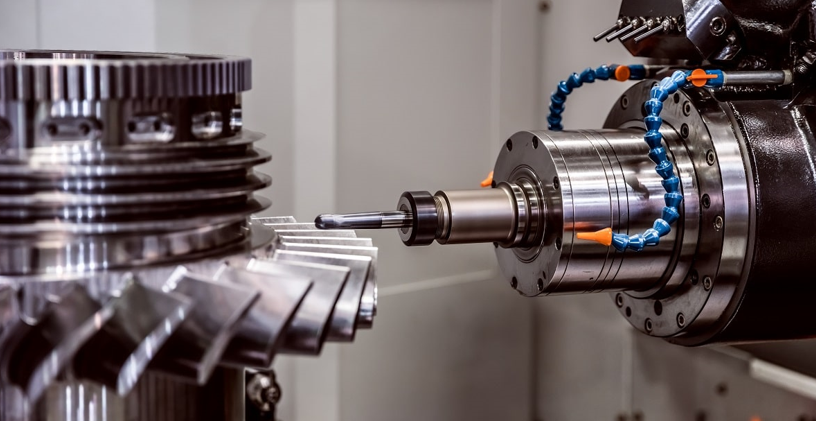
Manufacturers worldwide are adopting Computer Numerical Control (CNC) automation to meet modern production demands. With automation transforming factories into sleek, efficient operations, the role of CNC machining in enhancing precision and productivity cannot be overstated. Early adopters, such as Phantom CNC Systems, have witnessed major gains in output quality and reductions in lead time, confirming the technology’s place at the center of manufacturing progress.
CNC automation reduces human error, ensures consistency, and enables 24/7 production. Companies replace manual labor with programmed robots, leading to faster, more flexible manufacturing. CNC’s ability to produce precise, repeatable parts frees humans for complex tasks. As the industry integrates smart software, sensors, and user-friendly programming, CNC systems now help small shops and large manufacturers compete, streamline processes, and innovate faster. With increasing demand for complex, custom parts and shorter product cycles, CNC technology is transforming manufacturing into a more adaptive, data-driven discipline. Automation now handles tasks once deemed impractical, with sources like Forbes reporting on robotics and AI integration.
Enhancing Precision and Efficiency
CNC automation has become synonymous with precision machining. Automated CNC systems produce complex components to exacting tolerances, making them vital for aerospace, automotive, and medical device production. Shops embracing automation report reduced lead times and the ability to fill larger, more diverse orders. Notably, the around-the-clock operation enabled by automation means products are manufactured faster, and defects are minimized, directly benefiting the bottom line. According to Forbes, smart CNC setups can raise throughput by up to 40 percent without sacrificing quality.
Integration of Artificial Intelligence
The combination of CNC machinery and Artificial Intelligence (AI) has opened the door to true smart manufacturing. AI-driven CNCs automatically adjust machining parameters for the best possible cut, monitor tool wear, predict maintenance needs, and instantly flag potential defects. This level of automation reduces downtime and virtually eliminates costly errors, keeping production lines running at peak efficiency. AI’s role in predictive maintenance also means manufacturers spend less on unexpected repairs and decrease waste from defective parts.
Multi-Axis Machining for Complex Geometries
Modern CNC machines now offer multi-axis capabilities, moving beyond the standard three axes to five, six, or even seven. These machines can manipulate tools and workpieces at more angles, which is essential for manufacturing intricate, high-performance components. Aerospace parts, orthopedic implants, and intricate dies fall squarely within the realm of five-axis CNC machining, which completes complex jobs in a single setup, dramatically improving workflow efficiency and reducing the risk of dimensional errors.
Hybrid Manufacturing: Combining CNC and 3D Printing
The rise of hybrid manufacturing combines additive techniques (such as 3D printing) with the subtractive power of CNC machines. Manufacturers start by producing a near-net-shape part via 3D printing, then refine it with CNC machining to achieve tight tolerances and exceptional surface finishes. This hybrid approach accelerates prototyping, limits material waste, and makes it economical to produce highly customized products or short-run orders. As reported by industry researchers, the strategy also opens new frontiers in repairing high-value components, especially in aerospace and energy sectors.
IoT-Enabled Smart CNC Machines
The Internet of Things (IoT) is making factory equipment smarter and more interconnected. IoT-enabled CNC machines are equipped with sensors that collect real-time data on spindle temperature, vibration levels, and more. This data is streamed to centralized dashboards, enabling predictive maintenance, instant diagnostics, and actionable insights to optimize workflow. IoT connectivity enables manufacturers to streamline logistics, adjust schedules in real time, and deploy resources based on real-world needs rather than static plans.
Lights-Out Manufacturing and Robotics
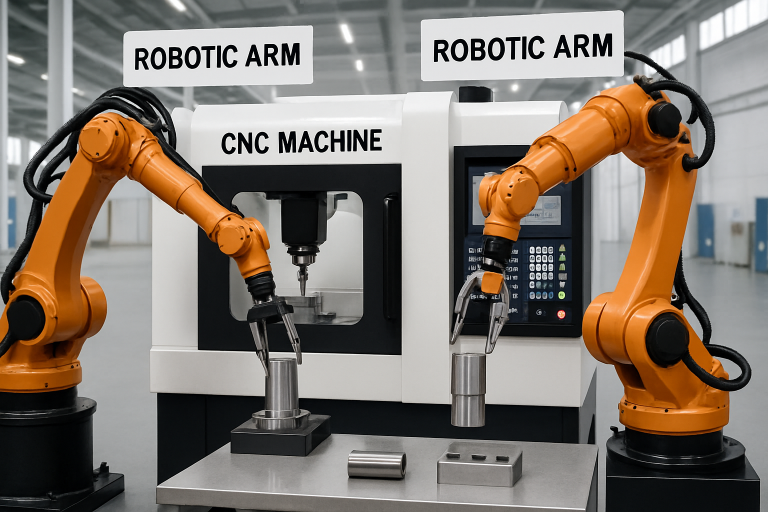
‘Lights-out’ manufacturing facilities, those where production continues in complete darkness due to the lack of human presence, have become a reality through automation and robotics. Modern CNC platforms, paired with robotic arms for loading, unloading, and tool changes, are enabling true unattended production. This approach drastically cuts labor costs while leveraging every hour of plant time, making it attractive for manufacturers pursuing maximum throughput and minimal intervention.
Addressing Skill Gaps and Labor Shortages
While CNC automation addresses many challenges, it has also surfaced the need for highly skilled personnel. Operating and troubleshooting advanced CNC machines now demands expertise in software programming, equipment calibration, and data analysis. As the industry faces persistent talent gaps, companies are investing in training programs and apprenticeships to upskill workers. Those who adapt quickly are rewarded with higher job security and involvement in cutting-edge innovation.
Sustainability and Environmental Responsibility
Sustainability shapes manufacturing strategy, with CNC technology promoting greener production by reducing scrap and energy use through efficient cutting, shorter cycles, and on-demand output. Manufacturers can cut inventories and optimize supply chains to lower their carbon footprint. These improvements reduce environmental impact and attract eco-conscious consumers and partners. CNC automation, central to smart manufacturing, provides unmatched agility, precision, and sustainability. As AI, IoT, and robotics evolve, CNC systems will lead the way toward a smarter, more eco-friendly future.
Conclusion
CNC automation has revolutionized manufacturing with increased precision, efficiency, and flexibility. From multi-axis machining and AI adjustments to IoT systems and lights-out production, it enables faster, error-reduced, and sustainable manufacturing. These technologies support real-time monitoring, predictive maintenance, and eco-friendly practices, fostering a future of precise, agile, and environmentally responsible production. Workforce development remains crucial as demand for skilled operators grows, ensuring ongoing innovation and competitiveness.