
NEWS
Sustainable Debris Disposal Solutions for Everyday Projects


Key Takeaways
- Adopting sustainable methods for debris disposal reduces environmental impact and promotes resource conservation.
- Innovative technologies, such as AI-powered sorting systems and mobile recycling units, enhance the efficiency of waste management.
- Proper debris management improves safety and organization on project sites.
Effective debris management is vital for any project, whether you’re renovating your kitchen or overseeing a major construction site. Not only can sustainable methods reduce your environmental footprint, but they also ensure efficient workflows and safer environments throughout the project’s lifecycle. Raising awareness about eco-friendly disposal is crucial, especially when services like Raleigh debris hauling make responsible waste handling more accessible to residents and businesses.
Choosing the right disposal strategy means considering environmental impact and compliance—both important for urban and suburban communities. By integrating advanced disposal options, individuals and businesses can foster long-term resource conservation and reduce their landfill waste contributions, ultimately shaping a greener, safer future for all.
Incorporating sustainable solutions doesn’t just support the planet—it bolsters project efficiency and reduces potential liabilities related to improper dumping or hazardous materials. The right approach to debris disposal can also distinguish businesses as environmentally conscious leaders, attracting customers and partners who value sustainability. Companies managing large-scale teardowns or disaster recovery should also assess how heavy-haul trucking services streamline the removal of oversized materials, helping minimize site disruption and environmental harm.
Understanding Sustainable Debris Disposal
Sustainable debris disposal means prioritizing processes that divert material away from landfills and into recycling or reuse streams. Project managers, contractors, and homeowners can contribute to waste reduction by selecting strategies that prioritize recovery and recycling, transforming what might otherwise be “trash” into valuable resources. By engaging early in the planning phase, teams can easily identify sustainable solutions, ensure compliance, and foster a culture of responsibility.
With landfill space dwindling and environmental regulations tightening, the shift toward sustainable debris handling is as necessary as it is strategic. Recent reports from the U.S. Environmental Protection Agency highlight the urgent need for greater adoption of such practices in the construction and demolition sector, showcasing the broader impact small choices can make.
Innovative Technologies in Waste Management
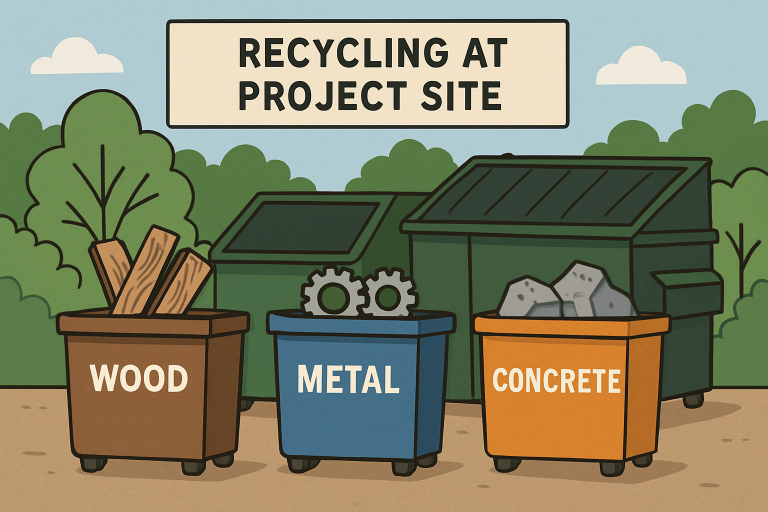
Technological advancement continues to transform debris handling. Modern waste management companies are leveraging AI-powered sorting systems to accurately identify and sort different types of debris, substantially improving recycling rates and reducing cross-contamination. These systems can quickly separate recyclable materials such as metal, concrete, and wood from general refuse, improving processing efficiency and reducing reliance on landfills.
Mobile recycling units are another major innovation, allowing on-site sorting and processing for immediate reuse or recycling. This approach reduces the need for multiple waste hauls, lowers transportation emissions, and empowers businesses to recycle more effectively, regardless of the project’s location or scope. According to Forbes, integrating smart technology greatly enhances waste collection and disposal operations through real-time monitoring and automated adjustments, further contributing to sustainability.
Benefits of Proper Debris Management
Adopting sustainable and organized debris management practices provides numerous benefits:
- Environmental Conservation: Directs more material to recycling rather than landfills, helping conserve natural resources and reduce greenhouse gas emissions.
- Cost Efficiency: Promotes resource recovery, reduces landfill fees, and helps avoid regulatory penalties, making projects more budget-friendly.
- Safety Enhancement: Maintains orderly workspaces, minimizes risk of accidents or injuries, and ensures hazardous waste is handled securely.
- Regulatory Compliance: Keeps projects compliant with local laws and waste ordinances, preventing costly fines or project delays.
Implementing Sustainable Practices
Transitioning to sustainable debris disposal requires a clear and actionable plan:
- Plan Ahead: Begin each project with a waste audit to estimate debris types and quantities, enabling effective resource allocation and appropriate scheduling of recycling pickups.
- Sort Waste: Establish on-site routines and clearly labeled bins for separating recycling, general debris, and hazardous materials. This step ensures all recyclable materials are correctly processed and not simply thrown away.
- Utilize Recycling Services: Form partnerships with certified recycling centers and leverage available curbside recycling programs. Many municipalities also offer drop-off points for materials such as scrap metal, electronics, and organic waste, encouraging broader participation.
- Rent Appropriate Equipment: Invest in or rent containers suitable for the type and volume of debris generated. The right containers simplify segregation and transport, making overall management easier and more effective.
- Educate Team Members: Provide staff and contractors with training on correct sorting procedures and the environmental benefits of well-managed waste streams. Ongoing education ensures that policies are followed and updated in accordance with industry best practices.
Case Study: Miami-Dade’s Zero-Waste Initiative
In an effort to reduce its landfill contributions and foster a culture of sustainability, Miami-Dade County has initiated a comprehensive zero-waste pilot program. This initiative actively diverts organic material from landfills, ramps up local recycling infrastructure, and invests in broad community education. The results demonstrate that when governmental bodies partner with citizens and businesses, they can make measurable progress toward a circular economy. These local and regional efforts echo nationwide movements championed by organizations like the Natural Resources Defense Council (NRDC), which outlines the considerable benefits of adopting low-waste and recycling-first strategies at every level of society.
Conclusion
Making sustainable debris disposal a pillar of every project serves more than just regulatory needs—it fundamentally strengthens communities and safeguards natural resources for future generations. Organizations and homeowners who leverage emerging technologies and established waste reduction practices position themselves at the forefront of eco-conscious progress. As illustrated by initiatives like Miami-Dade’s, widespread involvement remains key to building a cleaner, more sustainable future while experiencing the day-to-day efficiencies and cost savings that responsible debris disposal brings.