
NEWS
Benefits of THCA Flower: A Comprehensive Guide

Key Takeaways:
- THCA flower may offer essential health benefits, like anti-inflammatory and neuroprotective effects.
- Consumption methods range from raw usage for non-psychoactive effects to heating for psychoactive outcomes.
- Potency, terpene profile, and cultivation practices are all vital quality indicators.
- Legal status and potential side effects should be carefully considered before use.
Understanding THCA Flower
THCA, or tetrahydrocannabinolic acid, is a natural, non-psychoactive compound found in raw cannabis flower. Unlike THC, which causes intoxication, THCA remains non-intoxicating until it’s heated—a process called decarboxylation. This unique trait allows consumers to tailor their experiences, opting for holistic wellness from raw flower or choosing psychoactive effects if THCA is heated. THCA is gaining significant popularity among wellness seekers for its potential benefits and versatility. In this dynamic market, consumers can find high-quality options such as Gold Spectrum THCA Flower.
The surge in interest for THCA flower is not limited to recreational users. Health-conscious individuals, medical patients, and those new to cannabis are exploring THCA for its multidimensional properties. THCA offers a discreet way to enjoy cannabis without the high unless specifically desired, making it especially attractive for daytime or therapeutic use. As research continues to expand, natural cannabinoids like THCA are becoming an integral part of modern wellness routines and alternative health strategies. For those seeking new ways to promote wellness, understanding the unique role of THCA flower in the cannabis landscape is essential.
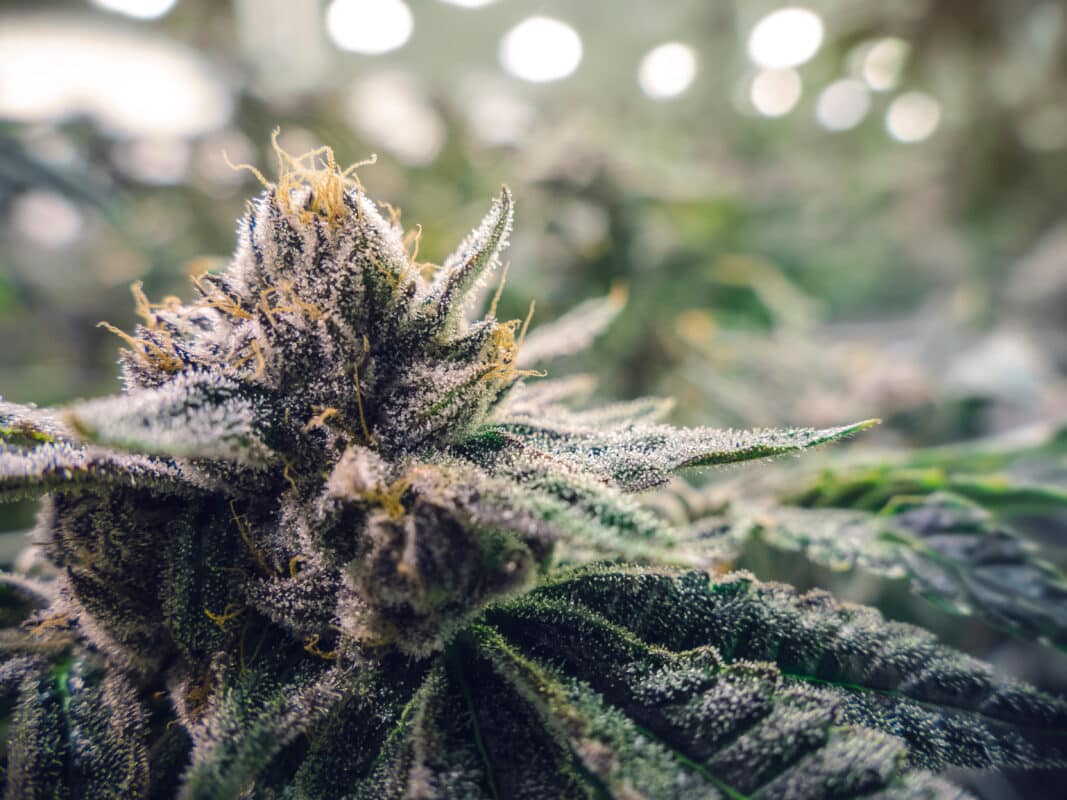
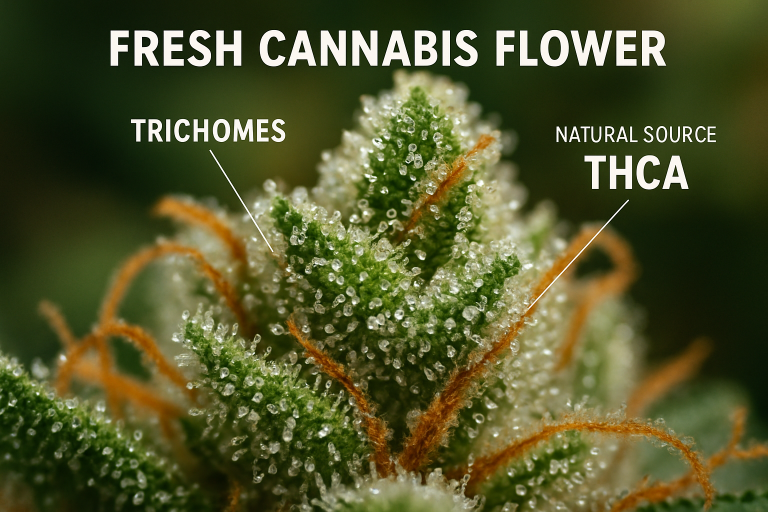
One important aspect is that THCA exists abundantly in the trichomes of the cannabis plant, which also house other cannabinoids and vital terpenes. The preservation of THCA in its raw form allows users to harness the full spectrum of beneficial compounds present in cannabis without causing significant psychoactive effects. This flexibility sets THCA flower apart from traditional THC-dominant products and appeals to a wide demographic, including those sensitive to psychoactivity.
Potential Health Benefits
Research into the medical utility of THCA suggests several promising possibilities that contribute to its growing popularity. Foremost among these benefits is THCA’s anti-inflammatory capability, which may help ease symptoms associated with chronic inflammation, arthritis, and related autoimmune conditions. According to WebMD, early studies also indicate potential neuroprotective effects, highlighting THCA’s broader therapeutic promise.
- Neuroprotective Properties: Preliminary studies suggest that THCA helps protect neural tissue, making it of interest to those concerned about neurodegenerative diseases such as Alzheimer’s and Parkinson’s. The non-intoxicating profile means these benefits can be explored without unwanted cognitive effects.
- Anti-Emetic Benefits: THCA shows promise as an anti-nausea and anti-vomiting agent, especially for patients undergoing chemotherapy or those with gastrointestinal disorders, increasing its therapeutic potential for sensitive populations.
- Antioxidant and Analgesic Effects: In addition to its anti-inflammatory action, THCA is being studied for its antioxidant properties and potential analgesic effects. This expands its utility in wellness regimens that emphasize plant-based solutions.
Consumption Methods
Versatility is a defining trait of THCA flower, allowing users to select consumption methods that fit their lifestyle and needs.
- Raw Consumption: Adding unheated THCA flower to salads, smoothies, or juices preserves the cannabinoid’s non-psychoactive state. This is ideal for those interested in experiencing the therapeutic properties of THCA without experiencing a high.
- Smoking or Vaping: Applying heat through smoking, vaping, or cooking transforms THCA into THC, resulting in traditional psychoactive effects sought by many adult cannabis users.
- Tinctures and Topicals: Innovative extractions enable THCA to be incorporated into tinctures and topicals that deliver targeted relief, providing alternatives for individuals who want to bypass psychoactivity altogether.
By adapting how they consume THCA flower, users can customize their approach—from total sobriety and wellness to traditional recreational use.
Quality Indicators
Choosing high-quality THCA flower is essential to maximize both safety and efficacy. Potency is a deciding factor; always look for lab-tested products that transparently display cannabinoid content.
- Terpene Profile: The aromatic oils known as terpenes define not only the flower’s flavor but also influence its effect profile. A rich, balanced scent generally indicates superior quality.
- Visual Appearance: Dense, resinous buds coated in crystalline trichomes signal a product expertly cultivated and carefully handled.
- Organic Cultivation: Flowers grown with organic inputs, free from synthetic pesticides or additives, are increasingly valued for both safety and sustainability among discerning consumers.
These markers help differentiate premium selections from lower-quality offerings, ensuring a positive experience for both novice and veteran users.
Legal Considerations
The legality of THCA flower is shaped by federal and state guidelines. In the United States, THCA derived from hemp (with less than 0.3% delta-9 THC) is generally legal at the federal level. However, several states have different thresholds or bans, particularly where conversion to THC is considered in total potency calculations. This means users must stay aware of and comply with evolving local laws to avoid potential legal risks.
Inconsistencies in testing protocols and enforcement add an extra layer of complexity, which is why responsible sourcing, transparent sellers, and diligent self-education are vital. Always ensure any THCA flower product is supported by robust lab testing for THC content and contaminants.
Potential Risks and Side Effects
While many users find THCA flower to be gentle and well-tolerated, there are several considerations before use:
- Psychoactive Reactions: Heating THCA into THC will produce a high that can vary in intensity depending on dose and individual tolerance. Beginners should approach with caution, starting low and monitoring effects.
- Side Effects: As with other cannabis forms, users may experience dry mouth, red eyes, mild dizziness, or impaired coordination—especially when psychoactive thresholds are reached.
- Legal Ambiguity: The overlap between state and federal laws creates a grey area that can cause legal trouble for uninformed consumers. Knowledge of local legislation is essential.
Those with underlying health concerns, pregnant or breastfeeding women, and the elderly should seek medical advice before incorporating any cannabis-derived products, including THCA flower, into their wellness routines.
Conclusion
The versatility, non-psychoactive properties, and wide range of potential benefits position THCA flower as an exceptional cannabis product for both new and experienced users. By understanding how to select, consume, and remain compliant with regulations, consumers can make well-informed decisions that align with their individual wellness goals. Continual advancements in cannabis research promise even deeper insights into THCA’s benefits, fueling its status as a valuable component in holistic health regimens.